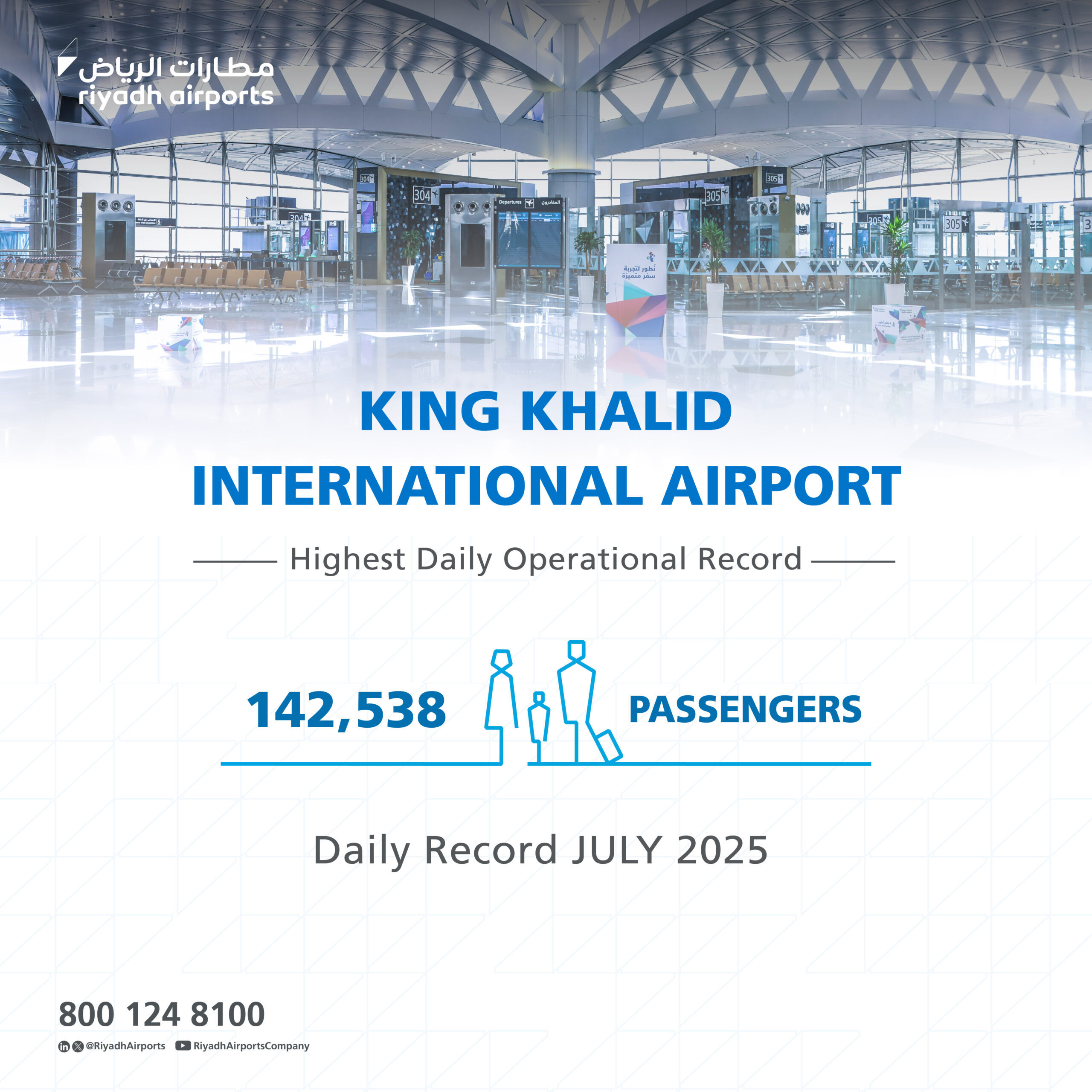


Global travel has entered a strange new phase in which even experienced executives find themselves blindsided by rule changes they never saw coming. Airport systems buckle under rising passenger numbers. Security checks stretch longer than some flights. Visa procedures tighten without warning. Companies that once planned trips with little more than an email thread now face a maze of compliance requirements. Every journey carries financial risk, operational risk and reputational risk. The smallest oversight can trigger delays that ripple through entire projects.
1) Regulatory blind spots that catch global executives off guard
Many executives begin their travel preparations with confidence, only to discover at the last minute that rules have shifted beneath their feet. The regulatory landscape of 2025 is not simply stricter. It is more fragmented, with each region adopting its own layers of compliance. European authorities, North American agencies and several Asian governments have all implemented enhanced background checks, biometric requirements and digital preclearance systems.
Missed meetings, cancelled presentations and abandoned negotiations accumulate into measurable financial loss. Many organisations attempt to bridge the gap through internal checklists, although these tools often age too quickly to remain effective. In this evolving environment, some executives rely on external resources for specific steps, such as ensuring their documentation complies with changing European requirements, including a correctly prepared schengen visa supported by trusted providers when needed.
2) Digital identity systems reshape international mobility
Governments are accelerating the adoption of biometric templates, digital passports and remote preclearance platforms. Companies with mobile executives must understand how these systems interact. A digital identity that works seamlessly in one region may encounter compatibility issues in another, especially where local authorities require secondary verification.
Several nations are experimenting with secure travel corridors that rely entirely on digital identity tokens. These tokens confirm the traveller’s status and verify travel history. Adoption remains inconsistent between countries, which creates practical challenges for executives who cross multiple regions in a single trip.
Executives who embrace these tools early often gain smoother transit experiences. Digital identity systems shorten wait times, reduce document duplication and improve information clarity. Digital identity data must be stored securely, processed lawfully and accessed only by authorised staff. Security and privacy obligations demand strict internal procedures that many companies did not previously maintain.
3) Financial exposures rise when companies overlook emerging travel risks
Executives face heightened financial exposures when travelling through regions experiencing political or regulatory instability. Last-minute rule changes can invalidate documentation. Sudden airport closures force rerouting. Companies that rely on improvisation discover that these environments punish uncertainty. Those with structured planning processes navigate disruptions more effectively.
The financial risk landscape is also evolving in more subtle ways. Some countries now impose administrative fines when travelers breach compliance rules, even unintentionally. These fines may not be widely known, yet they apply to corporate travelers with the same force as private individuals. As governments tighten enforcement, companies must respond with proactive compliance training.
Operational success depends on coordinated internal responsibility
Compliance officers, legal teams, HR departments, cybersecurity specialists and project managers all share responsibility for ensuring that travel does not disrupt operations. This interconnected model requires strong internal communication. When a rule changes, someone must track it, someone must interpret it, and someone must apply it. Without coordination, the system collapses.
Executives play an essential role in this structure. Their travel behaviour influences internal culture. When top leaders follow compliance protocols diligently, others emulate their example. When they ignore requirements or improvise during trave,l these behaviours weaken organisational discipline. Culture becomes measurable when disruptions decline.
Communication platforms help bridge internal gaps. Many firms now maintain travel compliance dashboards that update in real time. These dashboards display travel alerts, visa processing times, regional advisories and rule changes.
Blog Received on Mail