

In the new digital era, the attention spans are the shortest. Consumers visiting non-profit websites make their decisions in seconds whether to remain or not. Ensuring that your site is easy to scan will help users easily get a quick grasp of what you are about, locate information which is of interest to them and have higher chances of interacting with your cause. An efficient communicating web site may have a direct impact on donations, volunteer registration, and general support.
Importance of First Impressions
Web design has a lot to do with first impressions. Another reason why visitors are likely to move away is because they cannot find what they want instantly on the internet. A non profit making site should be able to communicate its message simply and not crammed with readable texts and elaborate designs. Less complicated headings, short paragraphs, and clear calls to action can enable users to understand the essential information in a short period. Focusing on a scannable design is therefore an essential part of nonprofit website design.
A web site that does not maintain speed is liable to lose useful interaction. It is possible that users cannot find the necessary items, like donation buttons or volunteering positions and can walk away. Making content scannable, non-profits can make sure that the visitors see important messages within the first couple of seconds. This strategy would enhance the probability of direct communication and boost the effectiveness of the site in general.
Role of Visual Hierarchy
In the development of a scannable site, visual hierarchy has a key place. The use of design features like headings, subheadings, and spacing will help the visitor to first attract their eyes on the most essential information. The use of color contrasts and font sizes can be applied strategically to use the call of action and accentuate the vital messages. A non-profit can guide users through the site instinctively by creating a good hierarchy that will not have users to read every word.
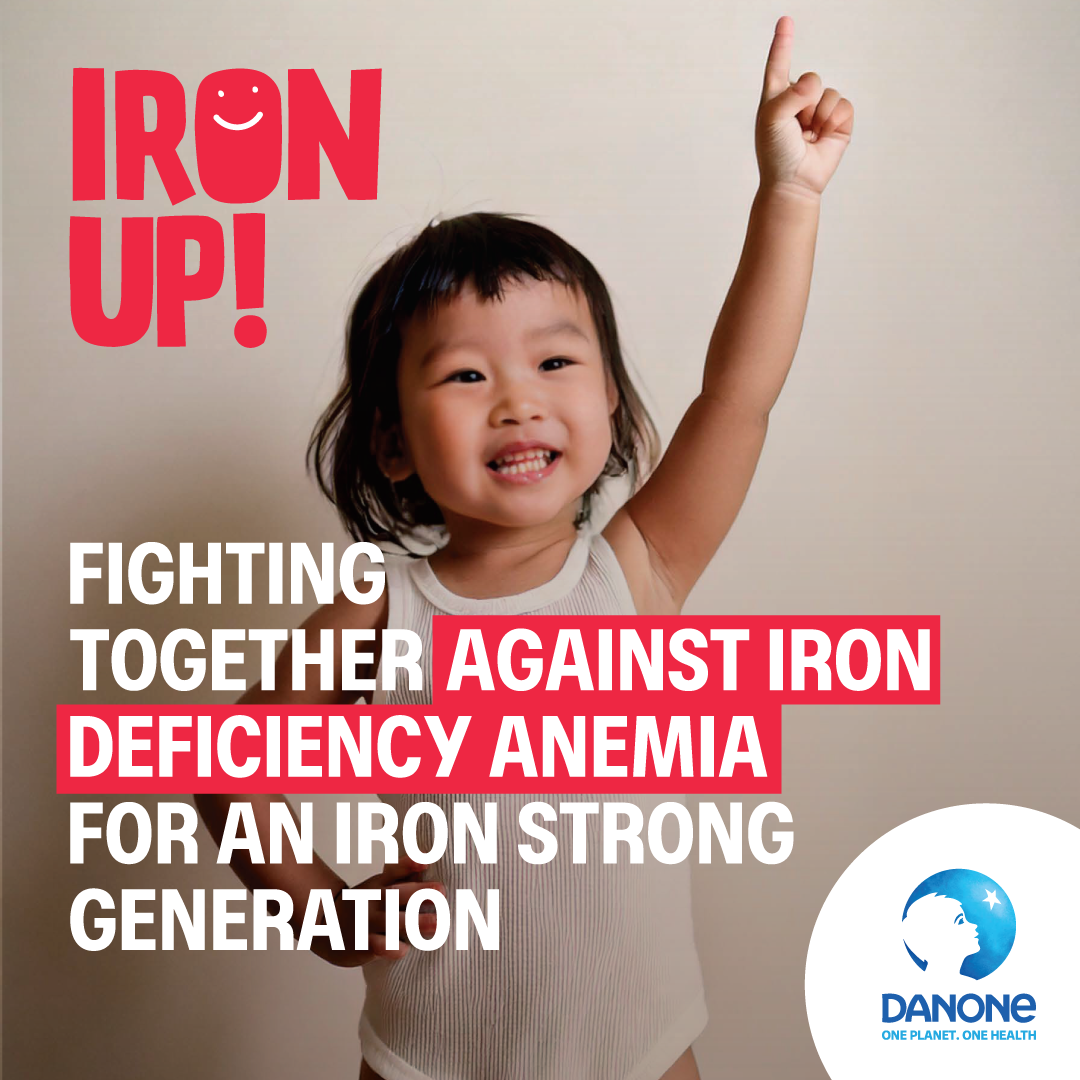
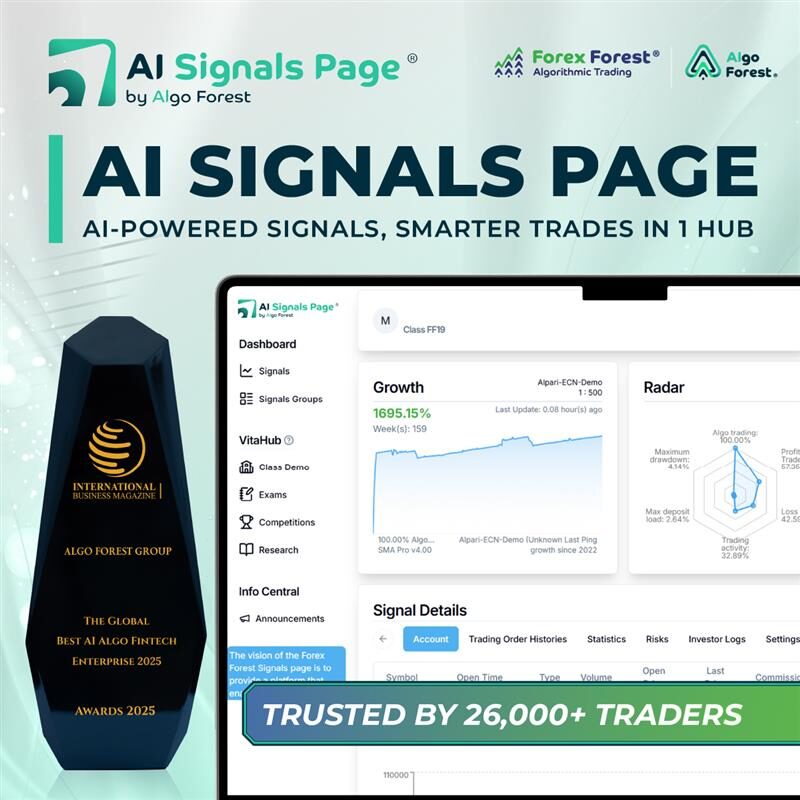
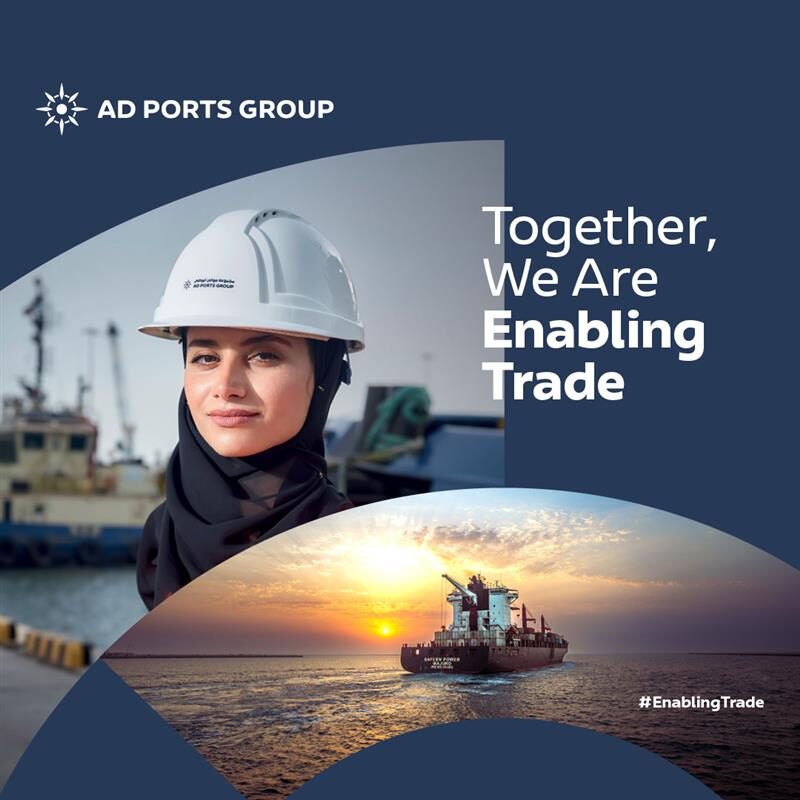
Visual hierarchy is also provided by images and graphics. Use of images carefully will help you make an impression, support your cause, and add some background to what you are saying. In the event that images are used to augment written messages, visitors are able to comprehend messages even at the first glance. Visual hierarchy in the design of a non-profit site is very vital to make sure that consumers know the purpose and objectives of the organization effectively.
User Interaction and Retention
Scannable websites enhance user interaction through lessening the cognitive load. The visitors will be able to work with information quicker and make their decisions concerning their participation in the organization. Having clear layouts and logical flow of content persuade users to visit more pages and understand more about projects and engage in campaigns. Interaction increases when the visitors can find it easy to discover what they can do, and what the significance of it is.
Easy to scan websites also help in retention. Repeat users will enjoy the same formatting and familiar navigation that will enable them to locate updates or new content without the irritation of desiring to do this. With a focus on scannability, non-profits can keep the audience loyal and capitalize on the digital presence effects in the long run. It is important to ensure that a non-profit site is able to be scannable within less than 10 seconds and this is a factor that determines success in the online world. The visitors must learn the mission of the organization, find the necessary information and act fast. Scannable websites make it easier to interact with users and support them in the long run through first impressions, visual hierarchy, and increased engagement. When the design of a nonprofit web site is done in a manner that is clear and easy to use, it will guarantee that all the visitors are able to make a significant contribution to the objectives of the organisation.
Blog Received On Mail