
The Gulf Cooperation Council (GCC) is presently experiencing a technological revolution, where warehouse automation is transforming logistics networks and supply chain operations across the region. The warehouses located in the UAE, Saudi Arabia, and other GCC countries are undergoing a fundamental transformation because of e-commerce growth, infrastructure development, and government-led economic diversification initiatives.
As companies move into 2026, the future of WMS technologies will develop through intelligent automation, data-driven decision-making, and integration capabilities. The organisations that implement warehouse automation will satisfy their customers’ increasing demands while maintaining their competitive edge in the marketplace.
AI-Driven Predictive Analytics and Smart Inventory Management
AI in warehouse management is revolutionising operations across the GCC through predictive demand forecasting and autonomous inventory optimisation. The warehouses in the UAE use machine learning algorithms that study two factors: consumer buying patterns in the region and seasonal changes that are specific to the Middle East market and regional events to determine the best inventory levels to maintain within modern WMS platforms.
These systems have been shown to greatly reduce overstocking while continuing to maintain high order fulfilment rates during peak times in warehouse automation environments. Pharmaceutical and food storage facilities that are temperature-sensitive in the UAE are utilising AI-driven climate control systems that adjust storage conditions according to predictive weather models.
Cloud-Native WMS Platforms for Multi-Site Operations
The future of WMS in the GCC region revolves around integrated platforms that manage activities in Dubai, Abu Dhabi, Riyadh, and the distribution networks. Cloud-based solutions provide real-time inventory visibility for facilities in various zones. Digital twin technology enables operators to test layout and process changes before they are implemented, which reduces the cost of operational improvements in warehouse automation facilities.
Operational Excellence Through Technology Integration
Warehouse efficiency improvement strategies in 2026 focus on integrated approaches:
- Automated goods-to-person systems reduce picker walking time substantially
- Maximum vertical utilisation with high-density storage and retrieval through AS/RS
- Energy-efficient cooling systems are critical for the UAE’s climate conditions
- Real-time performance dashboards tracking KPIs across GCC facilities
Sustainability-Driven Efficiency Gains
The UAE warehouses are adopting solar-powered automated systems and AI-optimised climate control systems that consume significantly lower amounts of energy within warehouse automation infrastructure. Such efforts are in line with the sustainability targets of the region, besides providing substantial cost savings in a high-temperature environment.
Autonomous Mobile Robots and Software Automation
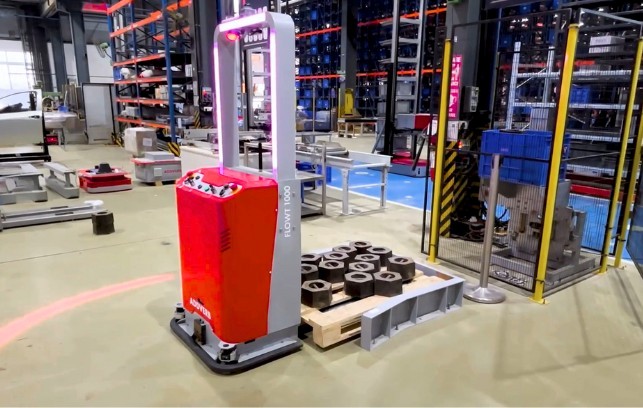
Robotic process automation in logistics involves both physical robotics and intelligent software solutions. UAE facilities are using autonomous mobile robots that dynamically navigate around human workers, while software bots are used for customs paperwork, VAT compliance, and multi-currency invoices related to GCC trade.
This dual approach cuts the time taken to process orders from hours to minutes. The UAE’s Free Zone infrastructure is at the forefront of the integration of autonomous mobile robots with automated storage and retrieval systems, thus establishing an orchestrated material handling environment driven by warehouse automation and WMS coordination.
Strategic Migration to Next-Generation Systems
Organisations looking to upgrade WMS must assess the integration with existing ERP, customs, and regional e-commerce platforms. Successful implementations in the UAE involve phased rollouts that begin with basic warehouse management functionality and then proceed to implement advanced modules for yard management and automated billing.
This approach minimises risks and provides measurable results in the first few months of implementation.
How Addverb Supports GCC Warehouse Transformation
Addverb offers comprehensive warehouse automation solutions that integrate robotics, AI-driven software, and material handling solutions tailored for complex order fulfillment tasks. The company provides autonomous mobile robots together with automated storage systems and warehouse execution systems, which handle all operational processes from receiving goods to dispatching them.
The modular solution enables organisations in the UAE and broader GCC region to implement automation through gradual upgrades without requiring a complete overhaul of the operational processes while aligning with modern WMS.
Conclusion
The intersection of robotics, artificial intelligence, and cloud computing is transforming the warehouse industry in the GCC region. The UAE’s role as a logistics hub in the region is enhanced by ongoing investments in automation solutions that handle the specific challenges of Middle East operations, including the region’s hot climate.
The future of warehouse management system platforms will be to manage more complex operations while keeping things simple. Organisations that invest in intelligent automation today are laying the groundwork for long-term success as the demands of customers for speed and accuracy continue to escalate. The solutions offered by companies like Addverb will help businesses prepare for this future.
Blog Received on Mail