
The UAE tourism ecosystem in 2026 is a dynamic blend of heritage, innovation, and sustainability, anchored by ‘Projects of the 50’ under the National Tourism Strategy 2031. It positions the country as a global hub through new attractions, cultural recognition, and campaigns like “World’s Coolest Winter,” while strengthening regional cooperation and sustainable growth. The National Tourism strategy includes 25 initiatives and policies to support the Emirate’s tourism sector.
The UAE’s tourism sector has completed a successful decade of growth, evolving into a cornerstone of the national economy. As of 2025-2026, the industry is operating at record-breaking levels, driven by a strategic vision that emphasises diversification, sustainability, and global connectivity.
.
Key Pillars of the UAE’s Tourism Ecosystem
National Tourism Strategy 2031
The UAE aims to attract 40 million hotel guests annually and increase the sector’s contribution to GDP to AED 450 billion by 2031. This strategy emphasises diversification, sustainability, and regional collaboration.
Flagship Campaigns
The World’s Coolest Winter initiative has grown into a key platform, highlighting the UAE’s natural scenery, cultural heritage, and outdoor offerings. Its sixth edition, held from December 16, 2025, to February 2026 under the theme “Our Winter is Entrepreneurial,” significantly increased international visitor numbers and strengthened the country’s appeal beyond luxury city tourism. Hotel revenues reached AED 12.5 billion, with total guest numbers exceeding 5 million, while occupancy rates climbed to 84 percent. According to His Excellency Abdulla bin Touq Al Marri, Minister of Economy and Tourism, the sixth edition of the campaign achieved strong results across all seven emirates.
Regional & Global Recognition
In 2026, Al Ain was crowned the Capital of Arab Tourism, highlighting the UAE’s cultural depth and heritage tourism potential. This recognition complements Dubai’s global events and Abu Dhabi’s cultural institutions, creating a multi-city tourism narrative.
New Attractions & Infrastructure
The UAE continues to unveil world-class entertainment venues, museums, and eco-tourism projects, while streamlining visitor access through digital platforms and enhanced connectivity. These developments strengthen its competitiveness as a global destination.
The Economic Impact
The tourism sector is a major economic powerhouse for the UAE. In 2024, it contributed a record AED 257.3 billion (approximately $70.06 billion) to the nation’s GDP, accounting for 13% of the total economy. This represents a significant 26% increase from pre-pandemic levels in 2019. This robust performance was also seen in 2025.
The sector’s growth is also reflected in strong visitor spending. In 2024, international visitors spent AED 217.3 billion, a 30.4% jump from 2019, while domestic tourism contributed a record AED 57.6 billion.
Hospitality and Aviation Hub
The UAE’s world-class infrastructure is the backbone of its tourism success, with both hospitality and aviation sectors achieving new milestones.
- Hotel Sector Performance*: The country’s hotels are operating at near-peak capacity. Key metrics for 2024-2025 include an average occupancy rate of 78-79%, one of the highest globally, with over 216,000 rooms available across more than 1,240 establishments.
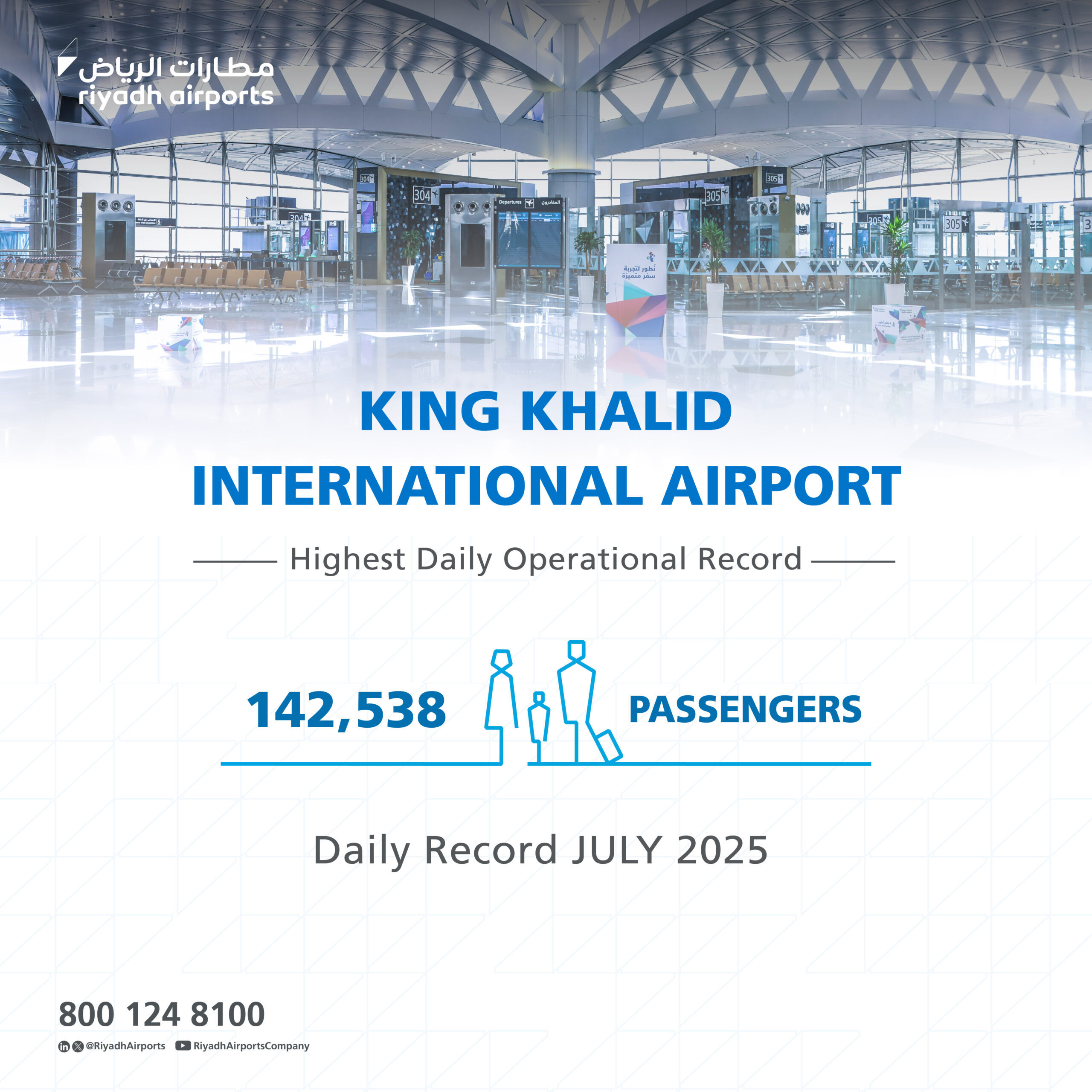
- Aviation Growth*: As a global aviation hub, the UAE’s airports are experiencing a surge in traffic. They handled over 108 million passengers in just the first nine months of 2025, with projections estimating 160 million passengers for the full year, driven by major expansions at airports across the country.
*The ongoing geopolitical tensions in West Asia may impact these sectors in 2026.
Strategic Vision and Policy Framework
The government has established a clear roadmap to ensure sustainable and competitive growth for the sector.
UAE Tourism Strategy 2031: This national strategy aims to consolidate the UAE’s position as a leading global tourism destination. A key goal is to increase the sector’s GDP contribution to AED 450 billion by 2031.
- National Tourism Charter: Launched in early 2026, this charter unifies efforts across all seven emirates. Its focus is on promoting sustainable growth, encouraging investment, and enhancing the sector’s competitiveness in line with the “We the UAE 2031” vision.
- Facilitative Policies: To boost visitor numbers, the UAE has implemented traveller-friendly policies, including a five-year multiple-entry tourist visa for all nationalities, introduced in 2021. On a regional level, the introduction of a unified Gulf tourist visa is expected to significantly boost travel within the GCC.
- A Diversified Tourism Product: Beyond luxury shopping and skyscrapers, the UAE is actively developing a diverse range of tourism experiences to attract different types of travellers.
- Cultural and Heritage Tourism: The UAE is investing heavily in its cultural identity. A new “National Plan for the Registration of Cultural Heritage Elements on UNESCO Lists (2026-2036)” aims to increase the number of World Heritage sites and intangible cultural heritage elements. Key sites like the Cultural Sites of Al Ain and the Al Faya site in Sharjah are already on the UNESCO World Heritage List.
Major New Attractions: Significant investments are flowing into new entertainment and leisure projects. These include the Therme Dubai wellness destination, a new Disney Theme Park and resort on Yas Island, the Wynn Al Marjan Island resort in Ras Al Khaimah, and numerous developments in Sharjah and Umm Al Qaiwain.
Abu Dhabi, a blend of rich cultural sites
As the Capital, Abu Dhabi offers a blend of rich cultural sites and modern entertainment. Key landmarks are:
- Sheikh Zayed Grand Mosque: An architectural masterpiece and one of the world’s largest mosques, it is the top-rated attraction in the Middle East. Its pure white marble domes and intricate design are a must-see.
- Saadiyat Cultural District: A hub for art and culture, home to the Louvre Abu Dhabi and the soon-to-open Guggenheim Abu Dhabi and Zayed National Museum.
- Yas Island: A premier entertainment destination featuring Ferrari World (home to the world’s fastest roller coaster), Yas Waterworld, and the Yas Marina Circuit.
- Desert & Nature: For exploring the towering dunes of the Empty Quarter (Rub’ al Khali) near Liwa, the wildlife on Sir Bani Yas Island, or hike Jebel Hafeet in the “Garden City” of Al Ain can’t be missed in the itinerary.
- Cultural Sites: The Qasr Al Hosn fort, the Heritage Village, and the revitalised Mina Zayed Port area with its traditional market are important attractions.
International Standing
The UAE’s efforts have cemented its status on the global stage. The nation ranks among the world’s top seven destinations for international tourism spending and has been recognised for its high-quality air transport infrastructure.
In a historic move, Shaikha Nasser Al Nowais was elected as the first woman to hold the post of Secretary-General of UN Tourism for the 2026-2029 term, underscoring the UAE’s growing influence in the sector. Furthermore, the village of Masfout was named the “Best Tourism Village in the World 2025”.
Dubai: Futuristic Icons and Historic Souks
Dubai is a city of superlatives, where modern marvels meet traditional life. Some notable sites and activities are:
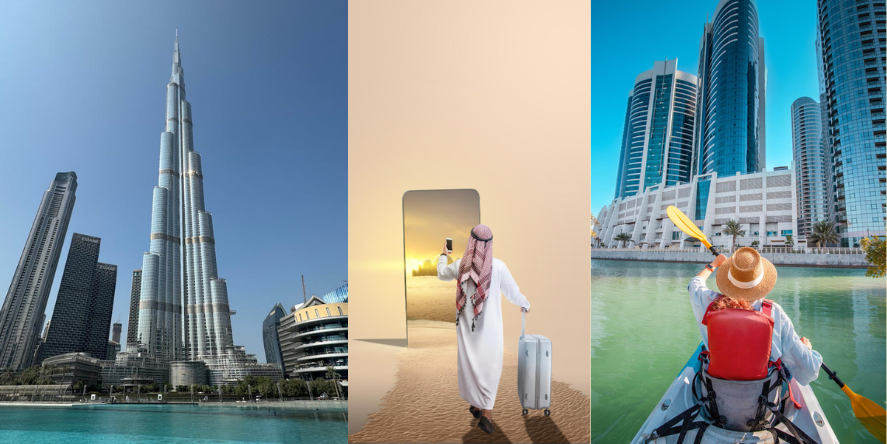
- Modern Marvels: The Burj Khalifa, the world’s tallest building. The palm-shaped island of Palm Jumeirah and the iconic sail-shaped Burj Al Arab.
- Entertainment & Shopping: The vast Dubai Mall with its aquarium and ice rink, and the floral wonderland of the Dubai Miracle Garden.
- Old Dubai, a step back in time: The Al Fahidi Historical District, the traditional Abra ride across Dubai Creek, and the gold and spice souks.
- Adventure: A desert safari with dune bashing and camel rides, and the mountain exclave of Hatta for water sports and heritage villages.
Sharjah: The Cultural Capital
As the UNESCO Arab Cultural Capital, Sharjah focuses on heritage, art, and family fun.
- Mleiha National Park: This newly inscribed UNESCO World Heritage site showcases over 210,000 years of human history, with ancient tombs, a mud-brick fort, and desert adventure activities.
- Heart of Sharjah: A major heritage restoration project that preserves the emirate’s traditional architecture, souks, and museums.
The Northern Emirates: Nature, Heritage, and Relaxation
These Emirates offer breath-taking natural landscapes, historical sites, and serene beaches.
- Ajman is known for its beautiful white-sand beaches and historical sites like the Ajman Museum (housed in an 18th-century fort) and Masfout Castle.
- Umm Al Quwain: Key attractions include the archaeological site of Ed Dur, the Dreamland Aqua Park, and the natural islands like Al Sinniya.
- Ras Al Khaimah is emerging as a top adventure and heritage destination.
- Jebel Jais: Home to the UAE’s highest mountain and the country’s highest restaurant, 1484 by Puro.
- Heritage & Culture: Al Jazeera Al Hamra, the National Museum, and the Dhayah Fort.
- Unique Experiences: The Suwaidi Pearl Farm for traditional pearl diving, and Sunrise hot air balloon ride over the desert.
- Al Bidya Mosque: The oldest known mosque in the UAE, a small but historically significant structure.
- Natural Beauty: The Wadi Al Wurayah National Park, the Ain Al Madhab Gardens, and the Friday Market.
- Forts & Heritage: The Fujairah Fort and Heritage Village.
Adventure and Sports Tourism
For an adrenaline rush, the UAE’s diverse landscapes, from deserts and mountains to the open sea, provide a perfect landscape. Some noteworthy landscapes are:
- Fujairah Adventure Park: Nestled in the Hajar Mountains. It has the UAE’s tallest giant swing, soar over the Haam Dam on twin ziplines (450m and 600m), and axe throwing, and wall climbing.
- Hatta Wadi Hub (Dubai): Located in the rocky Hajar Mountains exclave of Dubai, this hub is the centre for mountain adventure. Activities include archery, wall climbing, ziplining, and the Hatta Drop-in, Asia’s first water jump park.
- Umm Al Quwain’s New Adventure Destination: A new project is underway dedicated to motorsports and camping. It will feature areas for off-road trips and competitions, catering to young enthusiasts and campers.
- Masfout X Race (Ajman): The Masfout X Race combines mountain trail running, mountain biking, and kayaking.
- Classic Desert & Marine Adventures: The UAE also offers traditional adventures like desert safaris (dune bashing, sandboarding, camel rides), skydiving over the Palm Jumeirah in Dubai, flyboarding at Jumeirah Beach, and scuba diving off the coast of Fujairah for exploring marine life.
Cultural and Heritage Tourism
- Heart of Sharjah: This is the UAE’s largest cultural heritage preservation project, transporting visitors back to the 1950s. It features 7 museums, 12 historic forts, and 3 ancient souks. Highlights include the Sharjah Museum of Islamic Civilisation with its golden dome and the Calligraphy Museum.
- Art-Led Walking Tours (Dubai & Abu Dhabi): A new trend in cultural tourism, these tours are good for exploring urban landscapes while engaging with the contemporary art scene. In Dubai, a visit to galleries like 1×1 Art Gallery and Ayyam Gallery could be enriching. In Abu Dhabi, tours often include the Louvre Abu Dhabi and the Bassam Freiha Art Foundation on Saadiyat Island.
- Abu Dhabi Cultural Tour: A full-day tour covers major landmarks. It typically includes the stunning Sheikh Zayed Grand Mosque, the Qasr Al Watan (Presidential Palace), and the Heritage Village, which offers a glimpse into pre-oil desert life.
- Archaeological Sites: The UAE has sites dating back to the Paleolithic, Bronze, and Iron Ages. Key locations include the Mleiha National Park in Sharjah and the Ed Dur site in Umm Al Quwain.
In a nutshell, the UAE’s tourism sector is thriving characterised by strategic diversification, massive infrastructure investment, and a clear vision for sustainable, long-term growth that benefits the entire economy of the Emirates.
Blog by Imtiaz Ahmed Shariff