
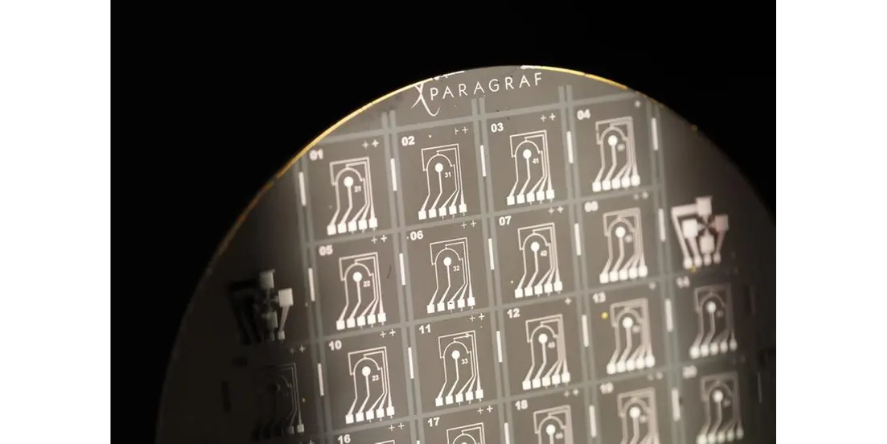
Paragraf, a leader in graphene electronics and fabrication, and Archer Materials Ltd., a technology company specializing in advanced materials and quantum‑enabling devices, recently announced a cooperative research and development program focused on next‑generation quantum computing hardware enabled by graphene‑based device platforms.
According to Industry sources, this collaboration brings together Paragraf’s commercially scalable graphene platform with Archer Materials’ domain expertise in quantum device architectures . Together, both the firms are boosting new device structures designed to address critical challenges in quantum computing and information processing.
“Our graphene technology was developed to be manufacturable at scale while maintaining the exceptional properties of graphene” stated Simon Thomas, CEO of Paragraf. “By working closely with Archer Materials, we are able to explore advanced device concepts in both quantum detection and computing that extend the capabilities of our platform.”
“This collaboration reflects our strategy of partnering with world‑class technology developers to unlock the potential of advanced materials,” stated Simon Ruffell, CEO of Archer Materials. “Graphene offers unique advantages for both quantum devices and sensors, and Paragraf’s platform provides an exceptional foundation to realize those advantages in real‑world devices.”
Industry sources also highlighted that at the core of the program is ongoing research into novel graphene device architectures for quantum bit (qubit) detection, including graphene structures capable of interfacing with emerging quantum systems. Graphene’s exceptional electronic mobility, low noise characteristics, and atomic‑scale thickness position it as a promising material for next‑generation quantum measurement and control technologies.
Industry sources further confirmed that Archer Materials adds complementary expertise in device physics, quantum materials, and sensing application development, enabling rapid iteration of graphene‑based structures tailored to specific end‑use requirements. This cooperative approach accelerates the translation of fundamental research concepts into practical device prototypes.
Paragraf and Archer Materials added that the collaboration will generate a pipeline of differentiated graphene‑based technologies addressing emerging markets in quantum computing, advanced sensing, and next‑generation electronics.