
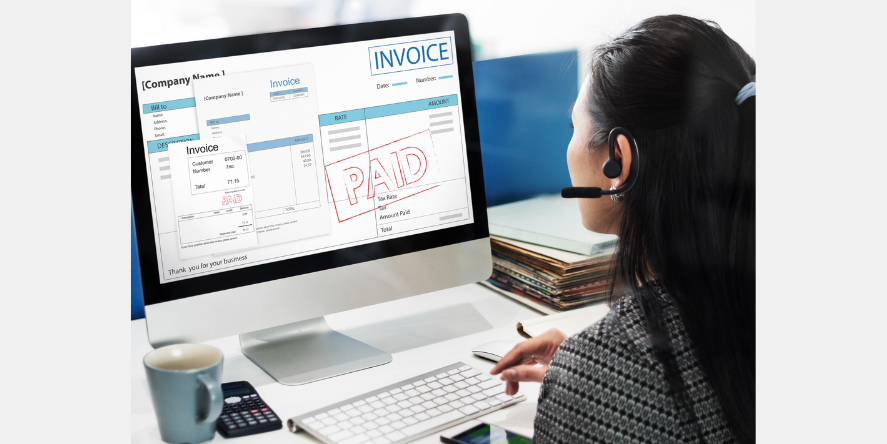
The UAE is moving fast on e-Invoicing. Finance teams across the country are witnessing one of the largest operational transformations since the introduction of e-Invoicing, driven by the Federal Tax Authority (FTA)’s new mandatory electronic invoicing framework. For accounts payable (AP) and accounts receivable (AR) teams, this is not just to keep in line with the law; it is a structural shift in how invoices are created, exchanged, validated, and settled.
If your business has not begun evaluating UAE e-Invoicing software, now is the time. Here is what AP and AR teams should look forward to from this directive as it transforms day-to-day finance operations.
The Invoice Lifecycle Is Changing Fundamentally
In the UAE, for invoice lifecycle, paper or PDF sent by email, an invoice lifecycle was manually entered into an ERP and matched and approved through multiple back-and-forth lines of communications.
The new lifecycle is built upon a digital exchange between buyer and seller systems, with government validation placed midway. The invoices, which should be standardized, communicated over an approved network and cleared or reported to the FTA before or at the time of delivery to the buyer. For AP teams, that does mean invoices arriving in structured machine-readable formats rather than unstructured PDFs.
For AR teams, it means that outbound invoices need to contain the data fields and be submitted through a compliant channel before they will be recognized legally.
Error Reduction Across the Invoice Cycle
Invoice errors are expensive. Mismatched amounts, missing tax information, incorrect supplier details, these cause rejections, delayed payments, and supplier disputes that consume significant resources. The structured data requirements of UAE e-invoicing act as a built-in validation layer.
Before an invoice reaches the recipient, it must pass format and data checks. A VAT number that does not match FTA records, a tax amount that does not reconcile with the line items, or a missing mandatory field will cause the invoice to be rejected at the point of submission.
This upstream error-catching fundamentally changes the quality of data flowing through AP and AR systems. Teams spend less time investigating and correcting historical invoice errors and more time operating with clean, accurate financial data. Month-end close processes become faster and more reliable when the underlying transaction data has been validated at source.
Payment Cycle Improvements Through AP/AR Automation in the UAE
AP/AR automation UAE can provide tangible improvements in payment timelines; the business case for e-invoicing investment is evident from a point of view for such technology. For buyers receiving structured and pre-validated invoices, the transaction approval-to-payment cycle is significantly shortened.
The effect is felt equally strong by suppliers and their teams of AR. The disputes that cause payment beyond the agreed terms are much less likely when invoices are validated and acknowledged on the day they are submitted. Well-defined digital audit trails are now the reason not to delay payment by saying we never got it or the invoice was wrong.
AR teams can get real-time visibility into invoice status rather than chasing buyers with follow-up calls and emails. Faster, more predictable payment cycles improve the precision of cash flow forecasts, lessen short-term borrowing to compensate deficits, and strengthen the supplier relations for businesses on the AP side.
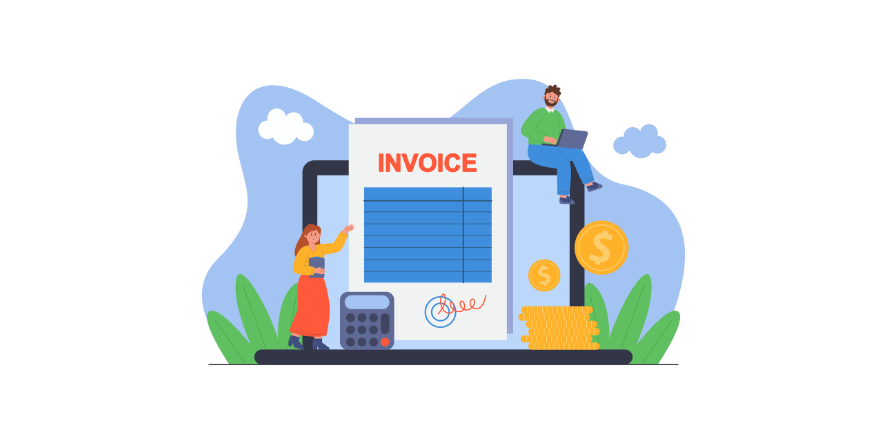
Choosing the Right UAE E-Invoicing Software
Choose the right UAE e-Invoicing software takes more than a tick-box-check.
Step 1: Assess Your Current Invoice Infrastructure
Audit what AP and AR workflows you currently have in place prior to taking any offer to the next level. Track the number of invoices that are processed each month, which ERP or accounting systems are used and which manual touchpoints cause the largest delays or errors. This baseline guides every subsequent decision.
Step 2: Verify FTA Compliance Certification
Different platforms are not created equal with the e-invoicing solutions. Make sure it is certified or compliant with the relevant UAE Federal Tax Authority technical requirements that the data fields require, if it supports approved transmission networks, and formatted structured invoices. No matter how feature rich, a non-compliant platform poses regulatory risk as much as ever.
Step 3: Evaluate ERP and System Integration
The software must tie in with what you’d like to have in place in your accounting, ERP, or procurement systems. When integration is poor it will force them to resort to manual workarounds and destroy the whole point of automation.
Step 4: Check AP and AR Workflow Capabilities
Search for configurable approval workflows, three-way matching functionality, automatic exception handling or real-time invoice status detection. The platform ought to be a support to both accounts payable and receivable teams, not only to the payment team.
Step 5: Assess Reporting and Audit Trail Features
Robust reporting tools offer finance leaders visibility into outstanding payables, receivables aging and cash flow projections. For VAT compliance and FTA audit readiness, a complete digital audit trail must also be thorough.
Step 6: Review Scalability and Vendor Support
Select a solution that scales with the transaction volumes and your business scale. Assess the local presence of the vendor in the UAE within its implementation support and customer care – particularly since FTA requirements might evolve.
Step 7: Run a Pilot Before Full Deployment
Prior to a full launch, run a controlled pilot with a limited number of suppliers or invoices. This will surface integration differences, user experience weaknesses, and process incongruence before they become expensive problems at scale.
The Bottom Line
UAE e-invoicing is not coming eventually; it is already here. The Account Payable (AP) and Account Receivable (AR) teams that treat it as a compliance project alone will miss the broader operational opportunity it presents. The businesses that invest in the right UAE invoice automation infrastructure early will emerge with faster payment cycles, fewer errors, lower processing costs, and finance functions built for the digital economy.
The transformation is significant, but so is the upside. The question is not whether to adapt, it is how quickly and how effectively your team can make the shift.
Article received via Mail
To learn more about e-invoicing, click on the links below.