
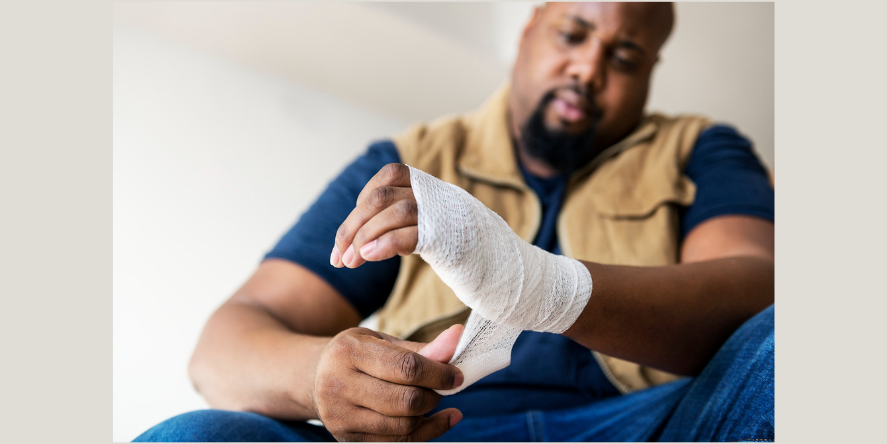
If you have suffered a personal injury while on holiday in Dubai, your first priorities should be getting medical treatment, reporting the accident, collecting evidence and notifying your travel insurer.
You may also have a potential compensation claim, depending on how and why the accident happened. Because UAE law can differ significantly from UK law, it is important to obtain advice from a lawyer experienced in Dubai personal injury claims.
What should you do immediately after an injury?
You should get medical attention and make sure the accident is officially recorded.
If you have suffered a serious injury, call 998 for an ambulance or 999 for the police. These are the official UAE emergency numbers.
Even if your injury initially seems minor, seek medical advice. Some injuries, including head and soft-tissue injuries, may become more noticeable later.
Ask for copies of medical records, prescriptions, discharge paperwork and any other documents relating to your treatment.
Should you report the accident?
Yes, you should report the accident where appropriate and obtain evidence that it was reported.
The circumstances will determine who you should report it to. For example, an accident at a hotel or resort should be reported to hotel management, while an incident involving a road traffic accident may require the police.
Ask for a written accident report if one is available. Keep the reference number and details of anyone who dealt with the incident.
Dubai also has a Tourism Police service for visitors, with the UAE Government giving the Dubai Tourism Police number as +971 4 609 6239.
What evidence should you collect?
According to this article by Claims Bible, you should collect as much evidence as possible before leaving Dubai.
Take photographs and videos of the accident location, any hazard that caused your injury and your injuries themselves. Keep receipts for medical treatment, transport, medication and other expenses.
Write down what happened while your memory is fresh. Include the date, time and exact location, together with the names and contact details of witnesses if possible.
Do not rely on the hotel, tour operator or other business to preserve all evidence for you.
Should you contact your travel insurer?
Yes, notify your travel insurer as soon as possible. Check your policy carefully and follow its reporting requirements. Your insurer may help with medical expenses, repatriation and other costs, depending on your cover.
Do not assume that travel insurance replaces a compensation claim. The two issues can be separate, although you should tell your insurer if you intend to pursue a claim.
Can you claim compensation for an injury in Dubai?
You may be able to claim compensation, but this depends on the circumstances and the applicable law.
For example, a claim could potentially arise if you were injured because a hotel failed to take reasonable care, a dangerous condition was not dealt with, or another party caused a road accident.
However, the legal position can be more complicated when an accident happens overseas. Factors can include where the accident occurred, who was responsible, your nationality and the terms of any contract or holiday booking.
You should therefore speak to a solicitor or personal injury lawyer with experience in international and UAE personal injury claims before accepting an offer or signing documents.
Why is it important to act quickly?
You should preserve your evidence and obtain legal advice as soon as reasonably possible.
Dubai is a major international holiday destination. It welcomed 19.59 million international overnight visitors in 2025, which was 5% more than the 18.72 million visitors recorded in 2024.
The scale of tourism means accidents can involve hotels, attractions, transport companies, tour operators and other businesses.
Do not assume that returning to the UK means you cannot pursue a claim. However, time limits and legal procedures can apply, so delaying could make matters more difficult.
What should you do after returning to the UK?
You should keep all your documents and obtain specialist legal advice before taking further action.
Keep your medical records, photographs, police or accident reports, insurance correspondence, receipts and booking documents.
If you are still suffering symptoms, continue to follow medical advice in the UK and keep records of your treatment.
Most importantly, avoid agreeing to a settlement without understanding whether it fully covers your losses. A specialist solicitor can assess your circumstances and explain what options may be available.
This information is general guidance rather than legal advice. The law applying to an injury in Dubai can be complex, so individual legal advice should be obtained for your particular circumstances.
Blog received via e-mail