
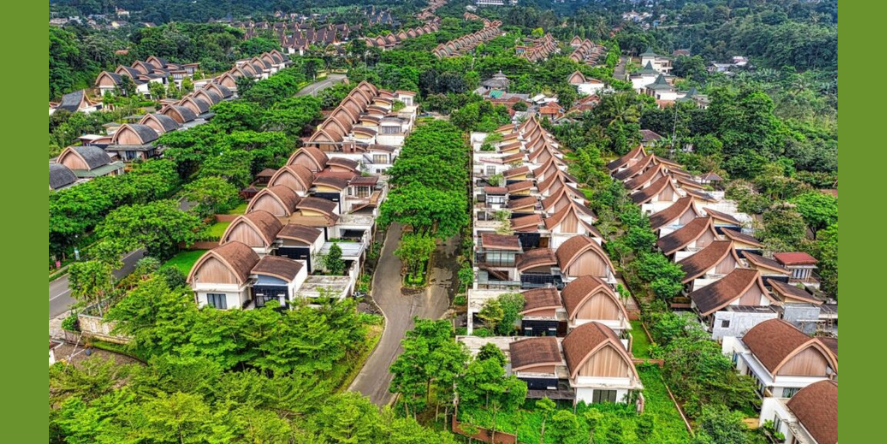
Population shifts are reshaping the demand and design of new housing developments. As people move toward urban centers, suburbs, or emerging regions, developers must adapt to changing demographics, household sizes, and lifestyle preferences. These shifts influence not only the number of homes needed but also layout, amenities, and infrastructure planning.
Housing near schools, transit, and healthcare becomes critical, while multi-family units may replace single-family designs in high-demand areas. Understanding population shifts allows developers and planners to anticipate market needs, optimize resource allocation, and create communities that align with evolving social, economic, and environmental trends.
Understanding Where Americans Are Moving Today
These aren’t random migration patterns you’re seeing. They’re fundamentally redrawing the map and creating chances that sharp developers and investors simply can’t ignore.
Remote Work Changed Everything
When remote work took off, expensive coastal cities hemorrhaged residents at a pace nobody anticipated. Workers abandoned cramped urban apartments for suburban homes with actual office space. Cities that weren’t even part of the conversation five years back? They’re now everybody’s top destination.
The Sunbelt Keeps Winning
Texas metros keep pulling in families and corporations at rates that defy easy explanation. Take Midland’s economy, driven largely by energy sector momentum, which generates consistent housing demand as workers arrive for lucrative positions. The area’s welcoming business climate and reasonable living costs appeal particularly to younger professionals building their careers and starting families.
If you’re searching for new homes for sale in Midland, tx, you’ll discover contemporary features and pricing that actually compete with what coastal markets charge. These properties specifically target energy industry workers and families wanting solid construction without paying the inflated premiums you’d find in bigger metropolitan areas.
This Sunbelt surge spreads through Florida, Arizona, and the Carolinas, too. Twelve-month construction seasons hand builders a significant edge over northern rivals stuck dealing with weather shutdowns. Lighter tax burdens and fewer regulations pull in both newcomers and companies, sparking a growth cycle that feeds itself.
How Population Growth Reshapes Housing Markets
When you’ve got thousands of new faces showing up monthly, local markets can’t possibly keep up. Grasping these mechanics helps everyone, buyers, investors, and developers, make choices that actually pay off.
The Supply Crunch Gets Worse
America needs roughly 18 million homes over the coming decade, with shortages hitting hardest in affordable housing that drives prices upward and locks out many potential buyers. This supply-demand disconnect frustrates buyers while creating openings for builders. Plenty of communities face multi-year waits just for construction permits, compounding the crisis.
Current housing market trends reveal how inventory shortages accelerate price growth beyond income gains. First-time buyers watch themselves get priced out of markets they could’ve afforded twenty-four months earlier. Rental costs spike as buyers-turned-renters compete for scarce apartments.
Infrastructure Can’t Keep Up
Schools in booming suburbs operate way beyond their designed capacity, forcing districts to deploy portable classrooms. Roads engineered for 50,000 people now handle 150,000, turning rush hour into a parking lot. Water systems and electrical grids buckle under loads they weren’t designed to bear.
Forward-thinking developers build infrastructure considerations directly into projects. Master-planned communities incorporating schools, parks, and retail from the outset sidestep the painful adjustments that plague rushed subdivisions. That initial investment returns substantial value through quicker sales and satisfied homeowners.
FAQs on Population-Driven Housing Changes
1. How quickly can housing supply catch up with population growth?
Development typically trails population increases by 18-36 months because of permitting delays, financing requirements, and construction schedules. Markets with efficient approval systems catch up considerably faster than those burdened by complicated regulations and neighborhood opposition to development.
2. What makes some cities grow faster than others?
Employment expansion, advantageous tax structures, strong schools, and lifestyle appeal drive most population surges. Cities offering multiple benefits simultaneously, like affordable housing near quality employment, experience the most robust, sustained growth that generates lasting housing demand instead of temporary spikes.
3. Should investors focus on fast-growing or stable markets?
Fast-growing markets present higher appreciation potential but introduce greater risk if growth unexpectedly stalls. Stable markets deliver more predictable returns with reduced volatility. Most experienced investors spread exposure across both categories, balancing upside potential against downside protection throughout their portfolios.
Blog received via Mail