

Sustainability has established itself as a major priority for Singapore’s business community. As the nation pushes toward its Green Plan 2030 and cements its status as a regional centre for green finance, local enterprises are increasingly being encouraged to align their operations with environmental, social, and governance (ESG) standards. Financial institutions have followed suit by offering a growing number of sustainable financing products—from green loans to sustainability-linked bonds—tailored to a wide range of industries.
Yet even as the conversation around sustainability gains momentum, many business owners remain uncertain about what sustainable financing really means for them. Some worry it will be costly or complicated, while others assume it’s relevant only to large corporations. These misconceptions often prevent smaller firms from exploring options that could help future-proof their operations, improve efficiency, and attract investors who value responsible growth.
This article takes a closer look at several common myths surrounding sustainable finance Singapore and explains what business owners in the city-state should know instead. Knowing about these nuances can help companies approach sustainability not as an added burden, but as an opportunity to strengthen both performance and resilience.
Myth #1: Sustainable Financing Is Too Expensive
The notion that sustainable financing is prohibitively costly often stems from focusing on immediate expenses rather than long-term returns. Businesses may assume that meeting ESG requirements—whether through audits, certifications, or infrastructure improvements—means higher costs and tighter margins. It’s a reasonable concern, especially for small and medium enterprises (SMEs) operating with limited resources.
However, sustainable financing is designed to support, not hinder, profitability. These financial instruments help businesses fund energy-efficient upgrades, waste-reduction systems, or supply chain improvements—moves that can lead to lower operating costs and greater stability over time. Banks in Singapore, backed by the Monetary Authority of Singapore’s Green Finance Action Plan, also offer incentives such as preferential interest rates or fee reductions for sustainability-linked loans. When viewed through the lens of long-term savings and reputational gains, sustainable financing becomes less of a cost burden and more of a strategic investment.
Myth #2: It’s Only for Large Corporations
Many SMEs still perceive sustainable financing as something reserved for multinational corporations or large enterprises with dedicated ESG departments. This misconception likely persists because big companies tend to attract more attention when they issue green bonds or announce sustainability-linked initiatives. The process can thus seem inaccessible or overly complex for smaller businesses.
In reality, Singapore’s financial ecosystem has been steadily democratising access to sustainable finance. Programmes like the Enterprise Financing Scheme – Green (EFS-Green) by Enterprise Singapore enable SMEs to obtain loans for green projects such as upgrading to energy-efficient machinery or switching to eco-friendly packaging. Banks and lenders are also increasingly tailoring their offerings to suit smaller businesses and providing guidance on meeting eligibility criteria. Sustainable financing, then, isn’t an exclusive club; it’s an evolving toolkit that’s increasingly open to businesses of all sizes.
Myth #3: Sustainable Financing Only Covers Environmental Goals
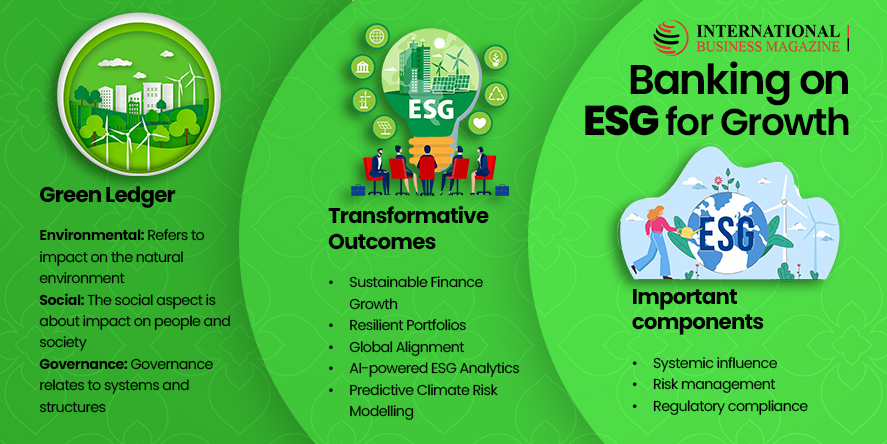
When many people hear the word “sustainability,” they immediately think of climate action or renewable energy. While environmental initiatives are a major part of the equation, sustainable financing goes much further than that. It also covers the social and governance dimensions of a company’s operations—how it treats its workers and engages with communities, for instance, as well as how it manages its internal decision-making and ethical standards.
Financial institutions in Singapore are increasingly recognising that strong governance and social responsibility are just as critical to a company’s resilience as environmental performance. A business that maintains transparent reporting, equitable workplace practices, and sound leadership structures is often seen as a lower-risk borrower. This broader interpretation of sustainability allows more types of enterprises—from manufacturers to service providers—to qualify for financing opportunities that reward responsible, forward-thinking management.
Myth #4: It Restricts Business Flexibility
Some business owners hesitate to apply for sustainability-linked loans because they worry about the conditions attached to them. Targets like reducing carbon emissions or improving energy efficiency can seem restrictive, particularly for companies that operate in volatile industries or rely on complex supply chains. There’s also a lingering fear that such loans come with heavy reporting obligations that could slow down operations.
In practice, sustainable financing often encourages flexibility rather than limiting it. Companies that align funding with measurable performance targets gain clearer visibility into their progress and can make better-informed decisions about where to allocate resources. Moreover, lenders understand that sustainability is a journey, not a fixed endpoint; they usually structure these instruments to accommodate realistic timelines and industry-specific challenges. Instead of imposing rigid controls, sustainable financing can serve as a framework for adaptability, ensuring that growth remains both strategic and responsible.
Myth #5: It’s Hard to Qualify for Sustainable Financing
A final myth is that only companies with established ESG track records or formal sustainability certifications can access sustainable financing. This belief can discourage smaller or newer businesses from even exploring the possibility, especially if they lack dedicated sustainability personnel or reporting systems.
In reality, Singapore’s financial landscape acknowledges that not every business is at the same stage of its sustainability journey. Banks and policymakers have introduced programmes that help companies build the necessary capabilities over time. For instance, sustainability-linked loans may include advisory support or capacity-building workshops. Phased targets that make the transition more achievable are also common. Furthermore, regulators have also taken a progressive approach by phasing in climate-related disclosure requirements to give businesses time to prepare. The message is clear: what matters most is the willingness to commit to improvement, not perfection from the start.
Sustainable financing is not a passing phase but a sign of how modern business is evolving in Singapore and beyond. Companies that embrace it early position themselves to thrive in a marketplace that increasingly values responsibility alongside profitability. It thus pays for business owners to view sustainability as an investment rather than an obligation; this is the best way for them to future-proof their operations and contribute meaningfully to a greener, more resilient economy.
Blog Received on Mail