

Centuries of exploiting natural resources have left humanity with a critical imperative to heal the planet. Now they are turning back to nature with the use of newer technologies. They are looking up to the Sun to light up their lives. The need for green energy is increasing by leaps and bounds. The fear of fossil fuels becoming extinct has forced nations to embrace renewable energy sources. Tapping the Sun for generating electricity is the new normal in the world. Several countries have established Solar Parks to harness energy through panels, floating or grounded.
Historically speaking, renewable energy has been harnessed since ancient times. The process to tap solar energy has transitioned from mechanical to modern green technology. This logical shift towards Renewable Energy—such as Solar PV (Photovoltaic) and wind—is a crucial strategy to curb emissions, mitigate global warming, and generate green energy.
Timeline of Ancient Principles
Solar: As early as 700 B.C.E., humans used magnifying glasses to start fires. Later, Greeks, Romans, and the Chinese utilized mirrors to focus sunlight and light torches.
Wind: The earliest use of wind power includes sailing vessels on the Nile, wind-powered water pumps in China (200 BC), and grain-grinding Persian windmills.
Hydropower: Early waterwheels known as water mills, hydro mills, hydro turbines, or hydraulic wheels.
Geothermal: Early humans utilized natural hot springs for Old Stone Age bathing.
The Industrial interference
- Before the 18th century, society ran primarily on renewable bio energy (wood and plant matter) and early wind/water power.
- The Industrial Revolution shifted global reliance toward combustion engines and fossil fuels (primarily coal). This led to a steep decline in the widespread use of renewable power.
The 19th-Century Age of Electrification
- 1882: The first hydroelectric power plant began operating in Appleton, Wisconsin.
- 1887: Scottish electrical engineer James Blyth set up the world’s first wind turbine. In 1888, Charles Brush in Ohio built a turbine to generate electricity on his farm.
- 1905: The photoelectric effect, which Albert Einstein explained in 1905, is the emission of electrons from a material caused by incident light.
The 20th-Century Renaissance
- 1954: The International Solar Energy Society (ISES) was formed, and the world’s first practical solar cell was innovated.
- 1970s: Escalating oil prices and severe fuel shortages elevated the need for energy autonomy. Governments — and countries like Denmark — significantly funded wind and solar research and development.
The Modern Era
Driven by the United Nations net-zero mandates, the 21st century has seen an explosion in the global adoption of zero-emission tech. Promotions in battery storage, grid integration, and economies of scale have made renewable energy the energy storage sector of the global smart grids.
Types of renewable energy
Alternate Source of Energy
- Solar Energy: Energy generated from sun light through Photovoltaic system solar thermal systems
- Wind Energy: The phenomenon of producing electricity through wind turbines
- Biomass Energy: Derived from organic matter such as plants, agricultural waste, and animal residues, is primarily termed biomass or bioresources.
*Non-renewable energy
- Hydro Energy: This energy is universally known as hydropower. It is generated by converting the kinetic or potential energy of moving water into electrical power
- Geothermal Energy: Geothermal energy is the continuous thermal energy generated and stored deep within the Earth’s crust, originating from the planet’s formation and the radioactive decay of materials.
Why does renewable energy matter?
- Renewable energy benefits people and nature by naturally replenishing itself, emitting zero greenhouse gases, and cutting harmful air pollutants that damage habitats and cause human respiratory illnesses.
- Renewable energy is power derived from natural, infinite sources (like sunlight and wind) that replenish faster than they are consumed.
How Renewables Support the World
1. Climate & Environment
- Zero Emissions: Unlike fossil fuels, wind and solar generate electricity without releasing harmful greenhouse gases (like (CO2) that cause global warming.
- Habitat Preservation: They put significantly less demand on water and land compared to coal or gas mining, while also causing minimal air and water pollution.
2. Economies
- Job Creation: The green energy sector is one of the fastest-growing job markets globally, generating significantly more employment opportunities per unit of electricity than fossil fuels.
- Price Stability: Generating costs have fallen dramatically, making wind and solar the cheapest power sources in many regions and shielding economies from volatile, imported fossil fuel prices.
- Energy Independence: By utilizing local sun and wind, countries and local municipalities insulate themselves from global supply chain disruptions.
3. Societies
- Public Health: Phasing out fossil fuels drastically lowers toxic emissions, saving millions of lives from respiratory and cardiovascular illnesses annually
- Equitable Access: Distributed generation, localized energy systems, micro-grids, off-grid renewable, standalone power systems
4. Global Advancement in Renewable Energy Adoption
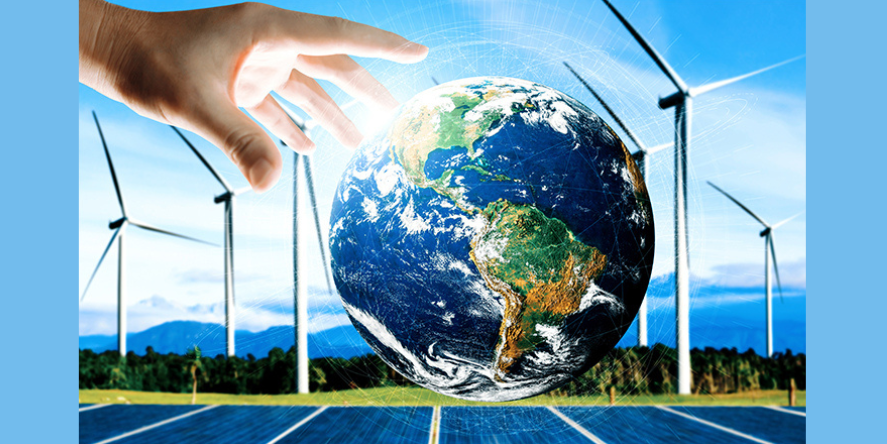
Global renewable energy adoption is accelerating rapidly, driven by falling costs and strong climate goals. The transition to clean energy is being spearheaded by wind and solar, which are on the verge of replacing fossil fuels to dominate global power grids.
Major Global Milestones
Electricity Mix Tipping Point: Electricity generation from thermal sources increased in both the US and the EU. The report noted that U.S. coal production jumped 17% and gas output shrank 3.9%, while in Europe, gas generation grew 14% and coal rose 1.1%
Solar & Wind Dominance: Solar photovoltaic (PV) and wind power have become the leading sources of new electricity generation worldwide, with their combined output now surpassing that of both traditional hydropower and nuclear energy individually. This milestone highlights the accelerating transition toward renewable energy and the growing role of solar and wind technologies in the global power sector.
Regional Leaders & Emerging Hubs
- China: China maintains its undisputed dominanceingreen energy deployment, adding more solar and wind power each year than the remainder of the globe together.
- Europe: By scaling cross-border grid connections, the EU is setting renewable energy records and slashing its reliance on foreign fossil fuels.
5. Technological Innovations to Accelerate Energy Transition
According to S&P Global, the linear global energy transition has ended. It has been replaced by a “multidimensional” shift where AI data centre power demand (growing 12%-16% annually) and geopolitical fragmentation are forcing markets to simultaneously balance sustainability goals with rapid power supply expansion.
Smart Grids and Digitalization
Modernizing the power sector through digitalization relies on several core technologies and offers significant, tangible benefits
- AI and IoT applications: AI algorithms process massive amounts of IoT data to automate tasks, predict outcomes, and optimize operations instantly without human intervention
- Efficient energy spreading: Efficient energy distribution and management involves dynamically routing power from source to load while minimizing waste
6. Challenges to Scaling up Renewable Energy
Transitioning to a clean energy future is hampered by several interconnected bottlenecks
- Inadequate infrastructure
- Grid instability from intermittent power
- Finite storage capacity; high upfront capital costs
- Restrictive regulatory frameworks
7. Victories of Renewable Energy Stories:
- Renewable energy wins span from large, commercial grids to small, local cooperatives
- Community-level renewable energy projects empower urban communities through shared solar microgrids, wind, and geothermal resources
Pillars of Corporate Sustainability
- Environmental Responsibility: Decarbonizing corporate operations, expanding renewable energy use, and engineering closed-loop systems to eliminate waste.
- Social Equity: Prioritizing human rights, equitable compensation, secure work environments, and inclusion across our operations and global value chain
- Governance & Ethics: Embedding ethical oversight, strict anti-fraud measures, and sustainable investments to link lasting corporate success with societal well-being
8. The Role of Government, Businesses and Individuals
Businesses
- Innovation & Manufacturing
- Corporate Sustainability
- Investment
- Corporate Power Purchase Agreement
Individuals
- Energy Conservation
- Prosumers (Installing rooftop solar systems)
- Sustainable Choices
Major Projects of Renewable Energy
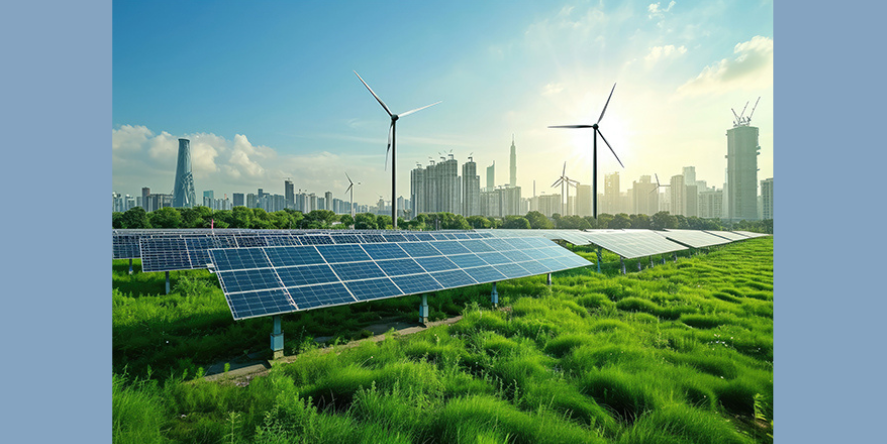
Global renewable energy is expanding rapidly to fight climate change, driven primarily by massive solar, wind, and hydropower installations. These iconic locations represent massive, record-breaking global clean energy initiatives that highlight the worldwide transition toward renewable power
Here are some of the most famous and impactful renewable energy projects in the world
Solar Power
Bhadla Solar Park (India): Developed across 14,000 acres of arid land with over 10 million solar panels, it operates with a total installed capacity of 2.245 GW to efficiently harness the region’s intense year-round sunlight
Mohammed bin Rashid Al Maktoum Solar Park (UAE): The Mohammed bin Rashid Al Maktoum Solar Park in Dubai is the world’s largest single-site solar facility. Targeting a 5 GW capacity by 2030, it features the tallest Concentrated Solar Power (CSP) tower globally
Noor Ouarzazate Solar Power Station (Morocco): Located at the edge of the Sahara Desert, this complex spans 7,400 acres. It uses CSP technology, enabling the plant to store heat and generate electricity for up to one million households well into the night.
Tengger Desert Solar Park (China): Known as the “Great Wall of Solar,” this installation covers 43 square kilometers in the Ningxia region. It boasts a massive footprint that makes it one of the most expansive photovoltaic installations worldwide.
Wind Power
Dogger Bank Wind Farm (UK): Dogger Bank Wind Farm Being built off the Yorkshire coast, it will become one of the world’s largest offshore wind projects, featuring an 8.1 GW capacity designed to power millions of UK homes.
Gansu Wind Farm (China): The Gansu Wind Farm, also called the Jiuquan Wind Power Base, is a massive 20 GW project driving China’s renewable energy expansion.
Hornsea Wind Farms (UK): Hornsea 1 and 2, located off the Yorkshire coast, form one of the world’s largest offshore wind complexes. Together, they deliver a massive 2.6 GW of renewable energy, providing clean electricity to over 2.5 million UK homes
Alta Wind Energy Center (USA): The Alta Wind Energy Center located in California, is a massive onshore wind farm generating over 1.5 GW of renewable electricity, making it one of the largest in the U.S.
Hydroelectric and Tidal
Three Gorges Dam (China): The Three Gorges Dam in China is one of the world’s largest hydroelectric plants, boasting a 22.5 GW capacity. Its immense scale and water displacement are so vast they slightly alter Earth’s rotation
Sihwa Lake Tidal Power Station (South Korea): The Sihwa Lake Tidal Power Station is one of the largest tidal energy facilities in the world, generating over 550 GWh of renewable electricity annually by utilizing a 12.7 km seawall to harness the natural flow of ocean tides.
Geothermal
The Geysers (USA): The Geysers in California is one of the world’s largest complex of geothermal power plants, using natural underground steam to generate enough clean, renewable energy to power roughly one million homes.
Hellisheiði Power Station (Iceland): Hellisheiði is a massive, cutting-edge geothermal plant near Reykjavík. It uses the area’s volcanic heat to supply electricity and domestic hot water to the capital region.
The future of Renewable energy
- Decarbonizing the Energy Sector: Achieving carbon neutrality means balancing the GHG emissions with equivalent removals
- Emerging technologies: Newly developing innovations that are poised to significantly transform society and industries
- Green hydrogen opportunities: Industrial decarbonisation advances clean energy storage and stimulates economic development
- Decentralized Power / Energy: It reduces energy loss and improves grid reliability by producing electricity right where it is used
Conclusion
- Renewable energy is an essential solution to halt global warming
- Clean up the air; guarantee safe, self-reliant power for the future
- Summarize the economic and environmental benefits of renewable transitions.
- Renewable energy is a clean, naturally replenishing power source that produces minimal to no greenhouse gases and never runs out
Article by Baldeb Ram