
Ask a hotel or restaurant operator where the money goes in a refurbishment and furniture rarely tops the list. Kitchens, bathrooms, technology and the front desk all shout louder. Yet the furniture is the part of the building guests actually touch, sit in and remember, and it quietly shapes several numbers that matter: how long people stay, how much they spend while they are there, and how often a room can be sold for something other than its day job.
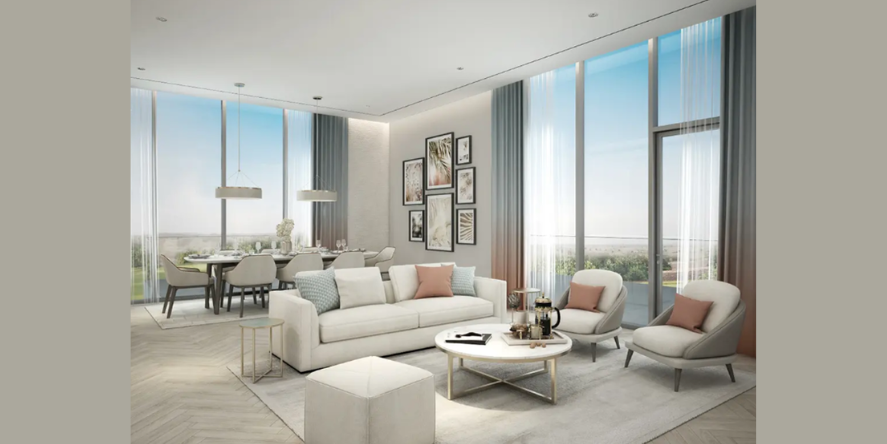
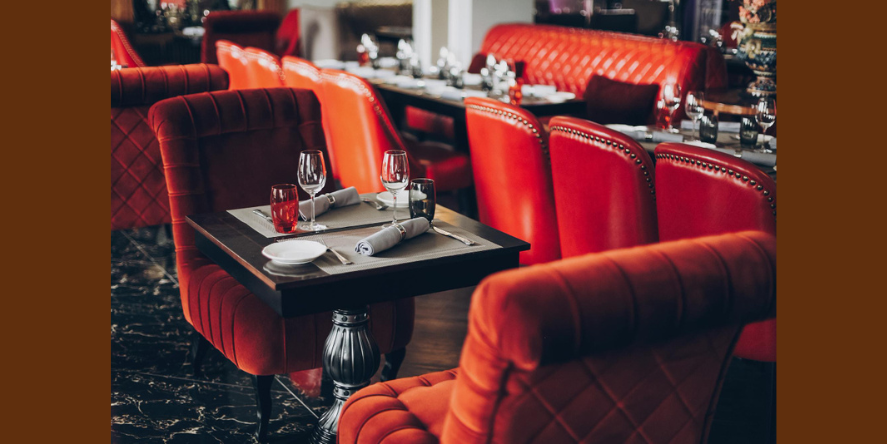
Dwell time is the clearest example. A café or hotel bar makes more per cover the longer a comfortable guest stays, up to the point where turnover starts to matter. Seating controls that dial. Hard, upright chairs move people on; softer lounge seating keeps them ordering another round. The better operators mix both on purpose, using the furniture to zone a space into quick-turnover and slow-spend areas without putting up a single wall.
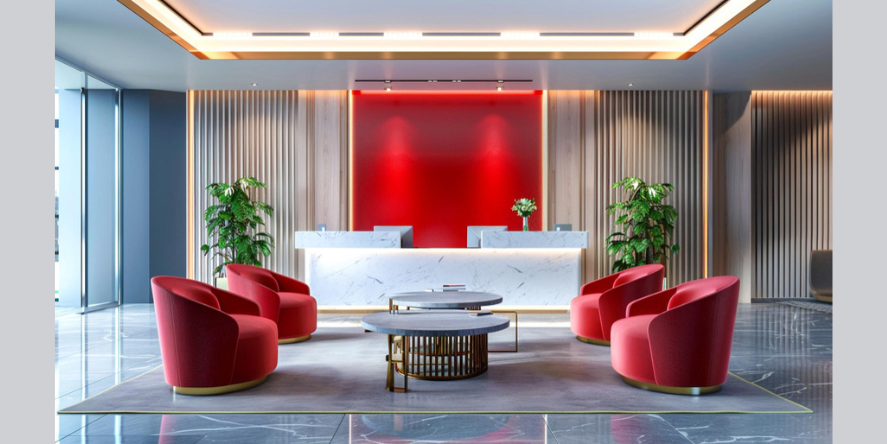
Flexibility is where furniture pays for itself fastest. A function room laid out for a conference on Tuesday and a wedding breakfast on Saturday needs seating built for constant reconfiguration, stacking and storage. Operators who invest in proper contract-grade hotel furniture find they can say yes to more kinds of booking, because the same room earns in three or four different modes rather than one. The chairs are not a cost of the room; they are what lets the room be sold twice.
Durability is the unglamorous half of the return. Commercial seating is sat on, dragged, stacked and cleaned at a rate domestic furniture never sees. Buy on headline price alone and the replacement cycle catches up quickly: frames loosen, fabrics wear at the arms, and a dining room starts to look shabby years before it should. Contract-rated frames and heavier-grade upholstery cost more up front and usually work out cheaper across a five- to ten-year view, simply because they are not being thrown away and bought again.
Brand consistency earns a line too, particularly for groups. When a guest recognises the same standard of finish across three sites, the furniture is doing brand work. That depends on being able to re-order matching pieces years after the first fit-out, which in turn depends on choosing a supplier who keeps ranges in production and can match an existing frame rather than offering the nearest current equivalent.
None of this argues for overspending. It argues for spending in the right column. A sensible way to brief a fit-out is to separate the pieces guests interact with constantly, the seating above all, from the decorative elements that can be refreshed cheaply. Put the budget into the frames and upholstery that take the daily punishment, and keep the freedom to restyle around them with cushions, lighting and finishes as tastes move.
The mistake is treating furniture as the easy place to trim when a project runs over budget, because it looks like the softest line on the sheet. In practice it is one of the few parts of a hospitality space that touches revenue directly, day after day, long after the launch photos are taken. Worth protecting when the budget meeting gets tense.
Article received on email.