

The rapid advancement of internet connectivity has been a game-changer for the financial technology (FinTech) industry, particularly in how it operates across borders. The seamless flow of information, data, and financial services over the Internet has significantly reduced barriers that once hindered international financial transactions and collaborations. This revolution is transforming the global financial landscape, enabling greater access to financial services, fostering innovation, and creating new opportunities for businesses and consumers worldwide.
Democratizing Access to Financial Services
One of the most profound impacts of internet connectivity on FinTech is the democratization of access to financial services. In the past, accessing banking and financial services was often limited to those in urban centers or developed countries with established financial institutions. However, internet connectivity, such as fiber optic business internet, has bridged this gap, making it possible for people in underserved areas to access a wide range of financial services via their smartphones or computers.
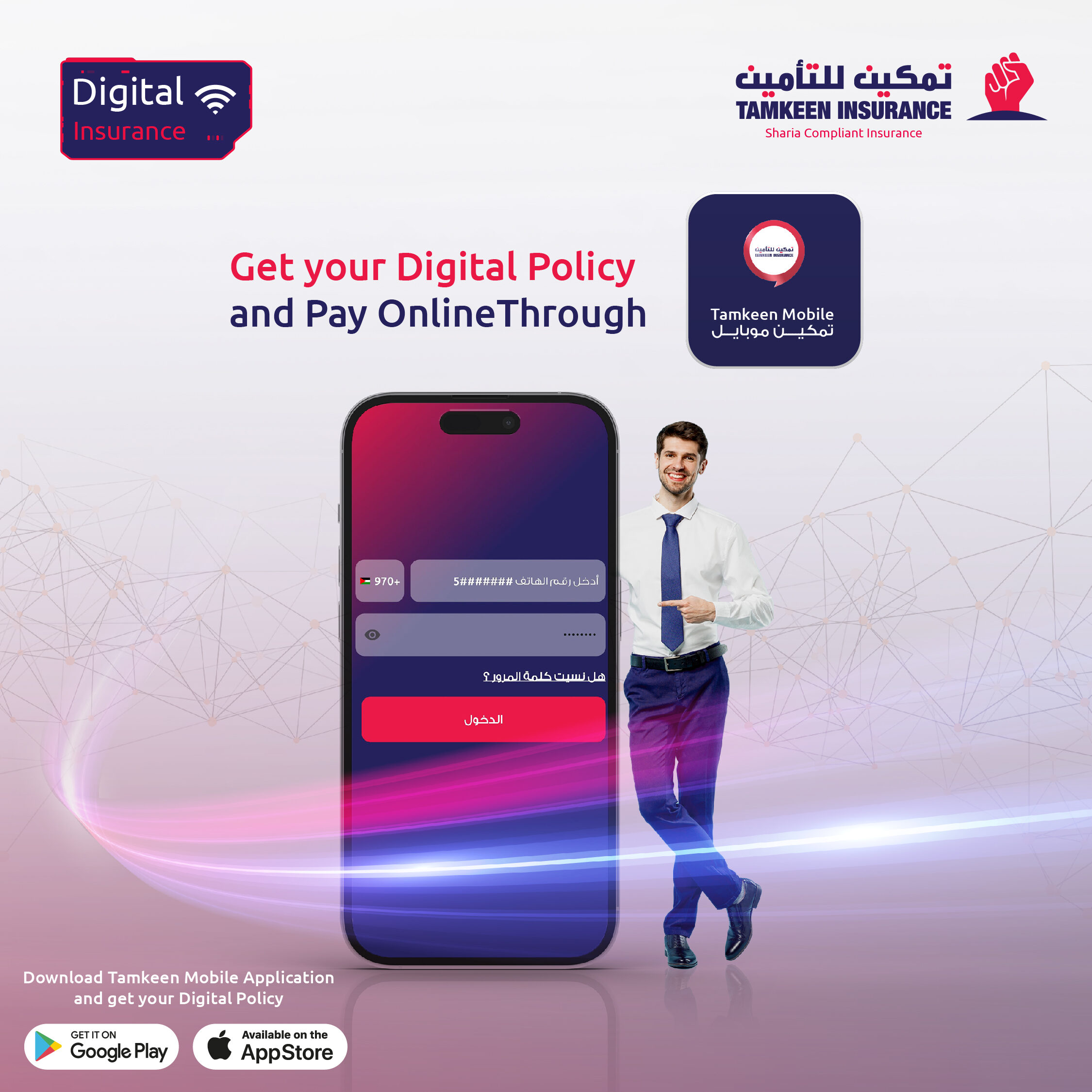
Mobile banking, peer-to-peer lending platforms, and digital wallets are just a few examples of how FinTech companies are leveraging internet connectivity to reach previously unbanked or underbanked populations. This has empowered individuals and small businesses by providing them with what they need to save, invest, borrow, and make payments without the need for traditional banking infrastructure. For instance, in regions like sub-Saharan Africa, where traditional banking services are sparse, mobile money platforms like M-Pesa have revolutionized financial inclusion, allowing millions to participate in the formal economy.
Enhancing Cross-Border Transactions
Internet connectivity has also revolutionized cross-border transactions, making them faster, cheaper, and more secure. Traditional methods of sending money across borders were often slow and expensive, with significant fees and delays associated with wire transfers or currency conversions. FinTech companies, powered by the internet, have introduced new solutions that bypass these traditional hurdles.
Platforms like TransferWise (now Wise), Revolut, and PayPal have made it possible to send money across borders in real time, with minimal fees compared to traditional banking services. These platforms use internet connectivity to tap into global currency markets, offering competitive exchange rates and transparency in fees. This has been particularly beneficial for small businesses and freelancers who operate internationally, as they can now manage their finances more efficiently without the burden of high transaction costs.
Moreover, blockchain technology, which underpins cryptocurrencies like Bitcoin, has emerged as a revolutionary tool for cross-border payments. Blockchain enables decentralized and secure transactions over the internet, eliminating the need for intermediaries and reducing the time and cost of international money transfers. This has the potential to disrupt traditional financial systems further and pave the way for a more inclusive global financial ecosystem.
Fostering Innovation and Collaboration
The global reach of internet connectivity has fostered innovation and collaboration within the FinTech industry. Startups and established companies alike can now collaborate across borders, sharing ideas, technologies, and market insights. This has led to the rapid development of new products and services tailored to the needs of diverse markets.
For example, FinTech hubs in cities like London, New York, Singapore, and Nairobi are increasingly interconnected through the internet, allowing companies to collaborate on developing cutting-edge technologies such as artificial intelligence, machine learning, and blockchain. These innovations are not only enhancing the efficiency and security of financial services but are also creating new opportunities for growth in emerging markets.
Additionally, the internet has enabled regulatory bodies and financial institutions to collaborate more effectively on a global scale. This has resulted in the creation of more harmonized regulatory frameworks that facilitate the safe and efficient operation of FinTech companies across different jurisdictions. As a result, consumers and businesses can access a broader range of financial services, with greater confidence in their security and compliance with international standards.
Conclusion
In conclusion, internet connectivity is revolutionizing the FinTech industry by democratizing access to financial services, enhancing cross-border transactions, and fostering innovation and collaboration on a global scale. As internet penetration continues to increase worldwide, the impact of these changes will only deepen, creating a more inclusive, efficient, and interconnected global financial system. FinTech companies that harness the power of the internet will be well-positioned to lead this revolution, driving financial inclusion and economic growth across borders.
Blog Received On Mail