
History has a way of exposing weak spots in how industries manage risk. Asbestos is one of those cases that still echoes through boardrooms, courtrooms, and regulatory agencies today.
What once looked like a breakthrough industrial material later became a global public health crisis, linked to diseases like mesothelioma that often take decades to appear. For modern industries dealing with fast-moving innovation and complex supply chains, the asbestos story is a warning that still applies.
A Case Study in Delayed Risk
Asbestos was widely used across construction, manufacturing, and military operations because it resisted heat and fire. For years, it was treated like a safe, high-performance material. But medical evidence eventually showed that long-term exposure could cause severe respiratory diseases, including mesothelioma.
What makes this case so important for today’s industries is the time gap. People exposed in the 1940s to 1970s are still being diagnosed decades later. That delay masked the scale of the problem for years and allowed harmful exposure to continue unchecked. Historical cases involving mesothelioma and navy veterans are often cited as reminders of the long-term consequences of inadequate workplace hazard disclosure.
Key Lessons For Modern Industries
The following are key lessons modern industries can learn from historical asbestos exposure cases:
Transparency is not Optional
Suppression of internal health data was one of the most damaging failures in the asbestos era. Some manufacturers knew about these risks, but they delayed disclosure.
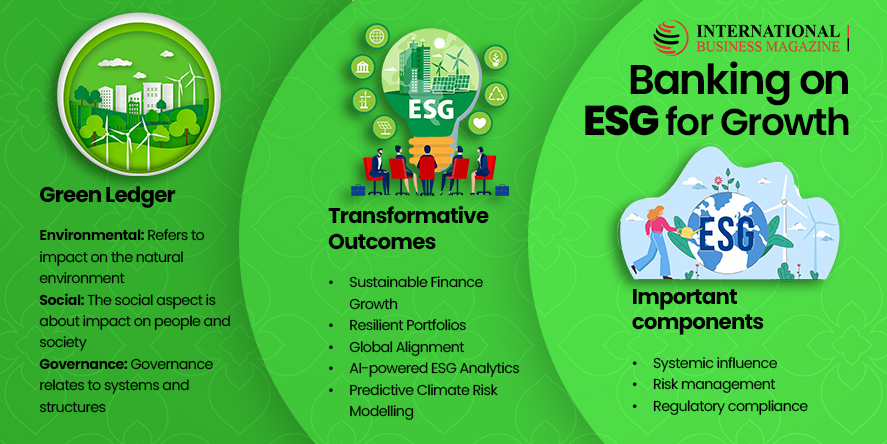
That approach is no longer sustainable for modern companies. With ESG reporting standards, whistleblower protections, and investor scrutiny, these hidden risks will eventually surface. Once that happens, the damage is usually far worse than it would have been if disclosure was made earlier.
Safety Testing Must Match Innovation Speed
Asbestos was widely adopted before long-term health testing could catch up. As a result, it was praised for its strength and resistance before its biological risks were fully understood.
Modern industries are now dealing with new materials like nanomaterials, advanced chemicals, and emerging energy technologies. If testing does not keep up with innovation, it’s easy for risk to get passed down the line to workers and consumers.
Acting Early Reduces Long-Term Liability
Regulatory hesitation extended the use of asbestos long after warning signs appeared. That delay increased exposure and created decades of legal and financial consequences.
For today’s corporate leaders, the takeaway is clear. When credible evidence shows a product or material is unsafe, delaying action increases both human harm and financial liability. Early phase-out, even when difficult, often prevents larger systemic losses later.
Endnote
Asbestos is more than a historical industrial material. It is also a reference point for how modern businesses shouldn’t manage risk. Companies that delay transparency, ignore early warnings, or underestimate long-term exposure risks often end up paying the highest price years later.
Modern industries are now operating in a similar environment of emerging materials and evolving science. The question is whether they will repeat the same mistakes or treat history as a working guide for better governance, safer innovation, and more responsible growth.
Blog received via email