

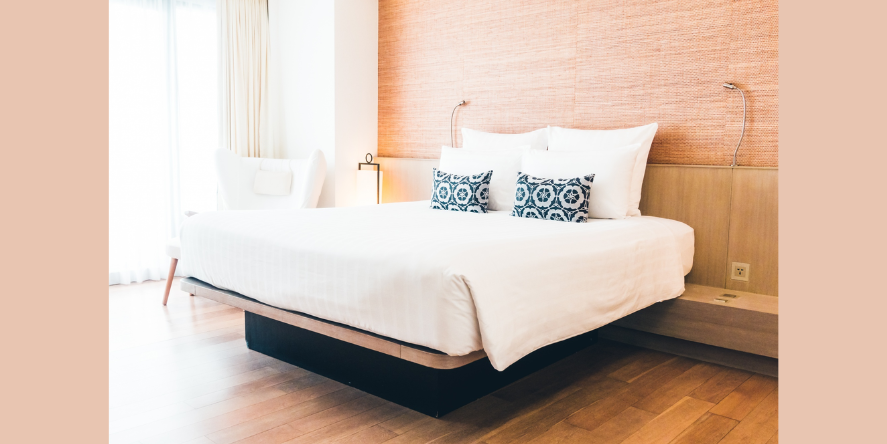
A full-size mattress can help many sleepers who need comfort within a practical room layout. The size offers more width than a twin, yet it still leaves useful bedroom space. That balance can matter for people who want better rest without a crowded floor plan.
Besides, getting a full mattress in a box can make delivery easier for apartments, teen rooms, and guest spaces. The best fit depends on sleep position, firmness preference, body type, and support needs. Read on to learn which sleep positions may benefit most from a full-size mattress and which comfort details deserve attention.
Side Sleepers
Side sleepers place extra pressure on the shoulders, hips, and outer thighs through the night. A full-size mattress gives one sleeper more space to bend the knees and keep the spine relaxed. This can make a side rest feel less cramped than a twin mattress. The extra width can also help pillow placement feel less restricted.
Comfort level matters because side sleepers usually need a cushion near the main pressure points. A medium or medium-soft surface can help the body rest with less sharp pressure. Buying a full mattress in a box may work well when the foam or hybrid layers offer gentle contour and steady support. Buyers should check the shoulder area carefully during any comfort test.
Back Sleepers
Back sleepers need a mattress that supports the lower spine without a weak dip under the hips. A global analysis estimated that low back pain affected 619 million people in 2020, with cases projected to reach 843 million by 2050. That makes lower-back support an important detail for anyone who rests mainly on the back.
A medium-firm feel can suit many back sleepers because it balances lift and comfort. The surface should keep the hips level while the upper back feels lightly cushioned. A supportive base also matters because the mattress must stay even across its full width.
Stomach Sleepers
Stomach sleepers need firm support because the midsection can sink too deeply on soft surfaces. A full-size mattress gives extra room for the arms, legs, and chest to rest comfortably. This can reduce the tight feel that some stomach sleepers notice on narrower beds.
A firmer mattress can help keep the body in a straighter line through the night. Pillow height also matters because a thick pillow can strain the neck in this position. The best full-size setup should feel stable, level, and easy to use every night. A low-profile pillow may help the head stay closer to the spine.
Fetal Position Sleepers
Fetal position sleepers curl the knees and draw the body into a compact shape. A full-size mattress gives enough width for that posture without forcing the body near the edge. This can help the shoulders and hips feel less compressed during long rest periods. The size can also give the knees and elbows enough space for natural comfort.
This position can benefit from a surface that cushions curves without losing support. A mattress that feels too firm may create pressure around the hips and knees. A balanced foam or hybrid model can make the posture feel softer while the spine stays supported.
Mixed-Position Sleepers
Mixed-position sleepers shift among side, back, and stomach rest during the night. A full-size mattress gives one person enough space to turn and reset posture with less restriction. This can make the bed feel practical for people who rarely stay in one position. The extra width can help the sleeper move without losing the center of the bed.
Responsiveness matters because the surface should adapt after each position change. Foam with slow response may feel harder for some mixed-position sleepers, while hybrid designs can feel easier. Ordering a full mattress in a box can suit this group when the model blends pressure relief with quick surface recovery. Good edge support can add useful space for restless nights.
Diagonal Sleepers
Diagonal sleepers use the bed at an angle, which can require more width than expected. A full-size mattress can give solo sleepers space to stretch across the surface without taking over the room. This posture can feel comfortable for people who dislike a narrow, straight sleep path.
Room layout still matters because diagonal rest uses the mattress differently than centered rest. A stable edge can help the surface feel secure when the body shifts away from the middle. The right frame and foundation can also help the bed stay quiet, steady, and supportive. Buyers should measure the room so the angled rest style still leaves clear walkways.
A full-size mattress can benefit many sleep positions when the comfort level and support system match the sleeper. Side, back, stomach, fetal, mixed-position, and diagonal sleepers may all value the extra width in different ways. The right choice should fit the room, support the body, and make nightly rest feel easier.
Blog received via E-mail