
Every few years, a city claims the title of the world’s next great music capital. Berlin has long held that reputation for its techno culture. Ibiza remains the spiritual home of the summer club season. Miami owns the festival circuit every March. Yet none of these cities quite match what Dubai has built over the past decade. Dubai has not tried to copy any of them. Instead, it has assembled something distinct, a city where music, hospitality, and year-round tourism infrastructure operate as a single system rather than separate industries.
A City Built Without Genre Boundaries
Most music capitals are known for a specific sound. Berlin means techno. Ibiza means house music stretched across sunrise sets. Dubai has taken a different path by refusing to specialize. On any given weekend, the city hosts underground techno nights, commercial house residencies, and international festival headliners, often within a few kilometers of each other. This breadth appeals to a resident population and visitor base that is genuinely international, drawing from Europe, South Asia, and the wider Gulf region.
Infrastructure Designed for Spectacle
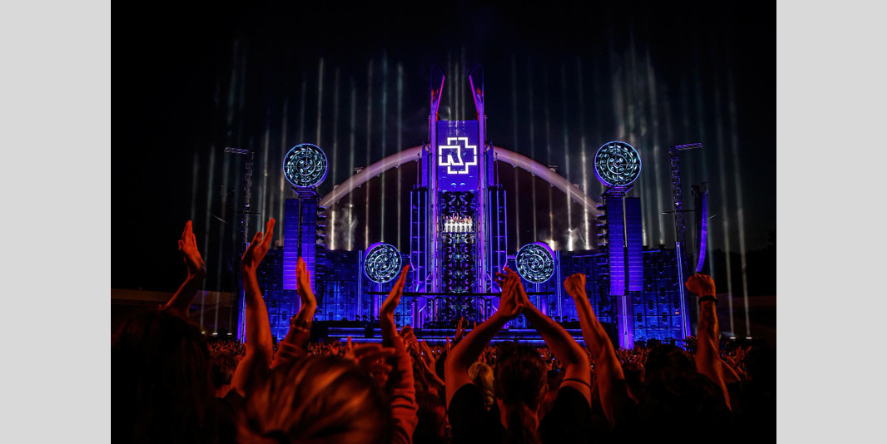
Part of what separates Dubai from older music capitals is that its venues were built recently, with entertainment as a primary design consideration rather than an afterthought. Spaces such as WHITE Dubai, Soho Garden, and the Ushuaïa Dubai Harbour Experience were constructed with production value in mind from the start, incorporating sound systems and lighting rigs more commonly associated with festival main stages than nightclubs. Waterfront venues like Surf Club extend that same philosophy to daytime events. Even short-lived projects, such as the now-closed Terra Solis experience by Tomorrowland, demonstrated how far the city was willing to go to raise the production bar. Older music cities often work around legacy buildings and zoning restrictions. Dubai largely built its scene from the ground up.
A Festival Calendar That Rarely Pauses
Seasonality is the quiet limitation facing most global music destinations. Ibiza effectively shuts down for half the year. Miami’s biggest event window lasts a matter of weeks. Dubai’s climate and infrastructure allow it to run a packed calendar for most of the cooler months, from UNTOLD Dubai to Elrow Dubai to Defected Dubai, without the long off-season other destinations accept as a given. That density of programming gives promoters, artists, and fans far more reason to keep returning year-round.
A Meeting Point for the Global Industry
Dubai has also positioned itself as more than a stop on a touring circuit. Events like IMS Dubai bring together promoters, label executives, and artists from across the electronic music world for serious industry conversation, not just parties. The 2025 edition of IMS Dubai included a networking floor co-hosted by Mixmag UAE alongside Kiss FM, a detail that reflects how seriously regional publications and international broadcasters now treat the city as a genuine hub rather than a passing trend.
Homegrown Talent Alongside International Names
A scene built purely on imported headliners eventually feels hollow, and Dubai appears aware of this. Alongside the international DJs who anchor major festival lineups, a growing group of homegrown artists, including Patch, Hartley, Cosmicat, and Saliah, are earning consistent bookings and building followings of their own. Their presence signals that Dubai is developing a local pipeline, one of the clearer markers separating a lasting music city from a temporary destination.
The Numbers Behind the Momentum
The growth is not only anecdotal. Recorded music revenue across the MENA region rose by 22.8 percent in 2024, at a time when the global electronic music industry was valued at roughly 12.9 billion dollars. Upcoming projects reinforce the trajectory further, with the planned Sphere Abu Dhabi expected by 2029 and large-scale developments such as Wynn Al Marjan Island signaling continued investment in entertainment infrastructure.
Why the Comparison Favors Dubai
None of this means older music capitals are losing relevance. Berlin’s techno heritage and Ibiza’s summer culture remain genuinely important to electronic music history. But when the comparison shifts to year-round programming, purpose-built venues, a genuinely international audience, and active institutional backing all at once, Dubai stands in a category of its own. For anyone tracking where the next chapter of global nightlife is being written, Dubai has already arrived, and the infrastructure being built today suggests it has no plans to slow down.
Blog received via email