
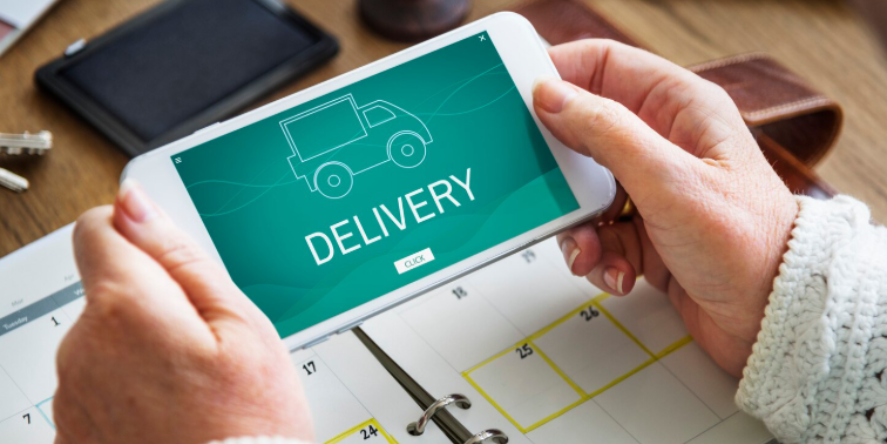
Last-mile delivery is the most complex stage of the logistics chain. It involves moving goods from a distribution hub to the final customer under tight time constraints. Despite being the final step, it often accounts for the highest cost and operational difficulty.
Customer expectations have increased. Same-day and next-day delivery are now standard in many markets. Businesses must deliver faster while maintaining accuracy and controlling costs.
This shift has made structured last-mile delivery solutions essential rather than optional.
Why Last-Mile Delivery Matters More Than Ever
E-commerce growth is the main driver behind increased last-mile demand. Higher order volumes require more deliveries within shorter timeframes.
Urban environments add complexity. Traffic congestion, limited parking, and restricted zones slow down operations. These factors increase delivery time and cost.
Customer experience is directly tied to this stage. Late or failed deliveries impact brand perception and retention.
Businesses are now competing on delivery performance, not just product or price.
Key Operational Challenges
Last-mile delivery involves constantly changing variables. Static planning methods cannot keep up with real-world conditions.
Common challenges include:
- Traffic variability: Delays caused by congestion and road conditions
- High delivery density: More stops within smaller geographic areas
- Failed deliveries: Increased costs from repeat attempts
- Driver shortages: Limited workforce affecting capacity
These challenges require systems that can adapt in real time. Manual coordination is no longer sufficient.
Technology as a Core Enabler
Technology is central to improving last-mile operations. It replaces manual processes with automated and data-driven systems.
Solutions offering helpful courier software provide integrated tools for dispatching, routing, and tracking. These platforms centralize operations and improve coordination.
Automation reduces errors. Tasks like route planning and job assignment are handled systematically instead of manually.
Real-time data allows businesses to adjust operations as conditions change, improving both speed and accuracy.
Route Optimization and Efficiency
Route optimization is a key factor in reducing costs and improving delivery performance. Efficient routing minimizes travel distance and time.
Modern systems calculate routes using multiple variables, including traffic, distance, and delivery windows.
- Dynamic routing: Adjusts routes based on live conditions
- Stop sequencing: Reduces backtracking and unnecessary travel
- Balanced workloads: Distributes deliveries evenly across drivers
These improvements increase delivery capacity while lowering fuel consumption.
Real-Time Visibility and Customer Experience
Visibility is critical for both operations and customer satisfaction. Businesses need to track deliveries as they happen.
Real-time tracking systems provide updates on driver location and delivery status. Managers can identify delays and take corrective action quickly.
Customers benefit from accurate delivery windows and notifications. This reduces uncertainty and improves trust.
Transparency also reduces support inquiries, lowering operational overhead.
Cost Control in Last-Mile Delivery
Last-mile delivery is cost-intensive. Fuel, labor, and failed deliveries contribute significantly to overall expenses.
Effective solutions focus on reducing inefficiencies while maintaining service quality.
- Lower fuel usage: Through optimized routes
- Improved labor utilization: Better scheduling and task allocation
- Reduced failed deliveries: Accurate timing and communication
Data analytics supports cost control by identifying patterns and inefficiencies.
Scalability and Future Growth
As businesses grow, delivery operations become more complex. Scalable systems are required to handle increased demand.
Automation and integration allow businesses to expand without losing efficiency. Delivery operations must align with order management and inventory systems.
Future developments will include AI-driven routing, predictive analytics, and increased automation. Sustainability will also play a larger role, with more emphasis on low-emission delivery methods.
Conclusion
Last-mile delivery has become a critical component of modern logistics. Rising demand and operational complexity require structured, technology-driven solutions.
Automation, real-time visibility, and optimized routing improve efficiency and reduce costs. These systems allow businesses to meet customer expectations while maintaining control over operations.
In practice, last-mile delivery is no longer just a final step. It is a key factor in overall business performance and competitiveness.
Blog received on mail