
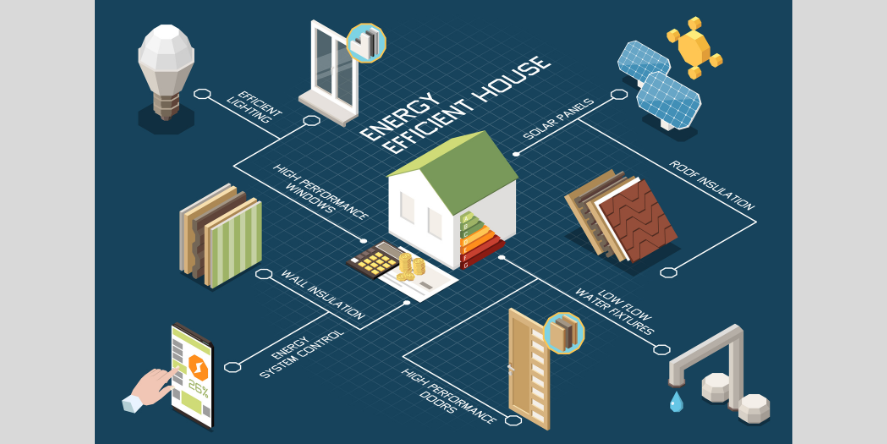
Poorly insulated walls, ceilings and openings in retail settings often dissipate a lot of energy, resulting in increased operation costs and uneven indoor comfort. One of the best strategies to minimize long term energy waste and at the same time enhance the shopping experience of customers and staff is by addressing these inefficiencies. Smarter insulation policies are useful in stabilizing the internal temperatures, minimizing the burden on the heating and cooling systems and enhancing building performance. With specific upgrades and maintenance practices, retail property owners can generate quantifiable savings without impacting day-to-day operations or necessitating complete restructuring.
Insulation Assessment Overview
The first step towards improving insulation in retail spaces is to understand where energy is being lost. A large number of buildings have outdated materials or improperly installed insulation that is no longer efficient in meeting the current energy needs. The weak areas in ceilings, exterior walls, storage, and service areas where thermal leakage is prevalent can be determined during a professional assessment.
After identifying problem areas, businesses will be able to focus on upgrades that are impactful and cost effective. Minor changes in high traffic or high exposure areas can cause observable differences in heating and cooling utilization over a period. This will help in ensuring that resources are deployed in the most efficient manner as opposed to being thinly distributed throughout the building with no defined plan.
Insulation Assessment Details
The problems with retail properties are that they often contain hidden inefficiencies in places that are not frequently checked like above ceiling tiles or behind display fixtures. Such spaces may enable hot or cold air to escape and HVAC systems may be overworked. Such hidden areas should be reviewed regularly to ensure the sustained energy performance throughout the store layout.
Enhancement of insulation in neglected places can also improve the comfort of the customers, which indirectly promotes the increased duration of shopping and an improved experience. By reducing fluctuations in temperature, the store environment will seem more stable and welcoming, and the staff working conditions will also increase.
Wall and Roof Insulation Upgrades
The best method of reducing the amount of energy wasted in retail buildings is by upgrading the insulation of the walls and the roof. The new materials offer increased thermal resistance than the old installations, which allows the interior temperatures to be maintained with reduced use of heating or cooling systems. In most instances, inclusion or substitution of insulation in these sections provides short term effects of energy efficiency.
Fabric fiberglass materials are usually employed in retail upgrades due to their reliable thermal performance and can be installed with minimum disturbance to the activities. When installed correctly, such materials can aid in minimizing heat loss through the outside of the building, maintaining the indoor environment more consistent during the seasonal shifts.
Wall and Roof Insulation Impact
This is due to the fact that insulating the roof becomes particularly significant since the heat tends to ascend and escape via the poorly insulated upper structures. Improvement of this layer also helps to decrease the load on air conditioning systems in hot seasons and increase the heat storage in cold seasons. Such a balance helps to reduce the total energy use during a year.
The insulation of the wall also helps in minimizing the effect of the external temperature, particularly in structures with huge glass exhibits or those with extensive exterior areas. Together, these upgrades will provide a more regulated internal environment that will facilitate the formation of regular energy consumption patterns and minimize unreasonable wastage.
Doors Windows and Air Leakage Control
Doors and poorly sealed windows are common in retail spaces that are prone to energy loss. The slightest gaps may result in the constant leakage of the air that will make heating and cooling systems compensate. Sealing of these weak points with the right sealing materials and better framing material can drastically decrease energy loss.
Installation of superior insulation at points of entry is also available to control the movement of air as customers go in and out of the building. This helps minimize the change in temperature in the store instantaneously and enables the climate control systems to work more effectively without the necessity to adjust them continuously.
Doors Windows and Air Leakage Maintenance
The seals and weather stripping should be maintained on a regular basis to maintain the energy efficiency in the long term. The effectiveness of insulating around the doors and windows can be decreased over time due to wear and tears and cause slow, yet consistent increases in energy consumption unless remedies are taken.
Regular checks make sure that minor problems are fixed before they form large energy wastages. By ensuring these parts, the longevity of HVAC systems is also increased because they will cause unwarranted stress due to the changes in internal temperatures.
Operational Efficiency and Maintenance
In addition to physical improvements, operational procedures also contribute to minimizing energy wastage in stores. Controlling heating and cooling hours according to the store hours and occupancy is good in avoiding unnecessary use of energy when there is no activity. These adjustments can be automated with smart controls to be more consistent.
Insulation systems should be maintained regularly to maintain the performance over time. An efficient combination of operations and properly maintained insulation will provide a long term plan that will save money and will promote a comfortable and sustainable retail environment.
Blog received on mail