
Diseases do not develop in isolation. They reveal systemic loopholes in healthcare provision, insurance concepts, and even workplace architecture. This sends another type of signal to businesses. It is not only a question of unmet medical need, but about inefficiencies that are yet to be resolved.
Organizations that view the disease trends as information and not as a crisis are often able to see the opportunities sooner. This view changes investment into proactive ecosystem building rather than reactive funding.
Where Capital Is Quietly Moving
The distribution of funds in the area of disease research is increasingly more discriminatory and strategic. Investors are no longer thinly distributing capital across wide therapeutic lines. Instead, they are focusing on the areas of diagnosis, treatment, and long-term management to concentrate the resources.
This trend is observed in conditions like mesothelioma. The disease is rather rare and severe, which demands specific diagnostics, targeted treatment, and long-term care models. Every layer is a unique business opportunity. Be it imaging technologies or legal and compensation advisory services related to occupational exposure.
The Expansion Beyond Treatment Models
A noticeable change is the movement away from treatment-only solutions. Businesses are exploring adjacent services that support patients before and after clinical care. This includes early detection platforms, remote monitoring tools, and patient navigation systems.
These services do not replace medical treatment, they extend its value. Companies operating in this space often achieve stronger retention because they engage users across a longer timeline rather than at a single point of intervention.
Mental Health as Economic Infrastructure
Disease research is also expanding into areas that were previously underestimated in economic terms. Mental health is one such domain. An example is social anxiety whose impact is not limited to personal discomfort. It influences staffing channels, teamwork, and leadership processes.
Companies are now starting to consider mental health solutions as investments in infrastructure, and not an optional benefit. It has contributed to more investments in digital therapeutics, work integration solutions, and scalable counseling solutions.
The Commercialization of Care Models
The other stratum of opportunity is the way care is provided. Person-centered therapy models are becoming increasingly popular due to their ability to meet clinical outcomes with user experience. The focus being:
- Personalized care plans
- Responsive care trajectories
- Ongoing feedback
Businesswise, it opens opportunities to platforms that incorporate data, communication, and outcome tracking all within one interface. Clinicians are not the only ones being assisted by these systems. They are redefining the way care is packaged and delivered.

Operational Advantages in Fragmented Systems
Healthcare systems are still disjointed regionally and among providers. This fragmentation leads to operational inefficiencies which can be addressed by businesses. Organizations that simplify administrative procedures, enhance data interoperability, or shorten the duration of diagnosis often create value without necessarily creating new drugs. These operational advances are less visible than breakthrough therapies, but are more frequently scalable and less risky to execute.
From Breakthroughs to Business Models
The narrative around disease research is gradually shifting. Breakthroughs remain important but the infrastructure around them is becoming equally significant. Successful businesses in this space are more likely to be integrative than isolated. They bridge research, technology, and service delivery into harmonious models. This combined solution will not only enhance patient outcomes but also generate more predictable revenue streams.
Endnote
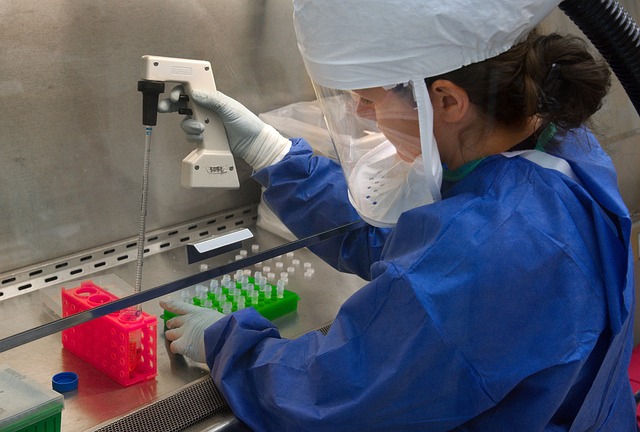
Disease research is no longer confined to laboratories and clinical trials. It is restructuring whole business ecosystems. Companies that embrace this change are strategizing to be at the crossroad of need and innovation where the demand to explore solutions is both urgent and sustainable.
Blog received via email