
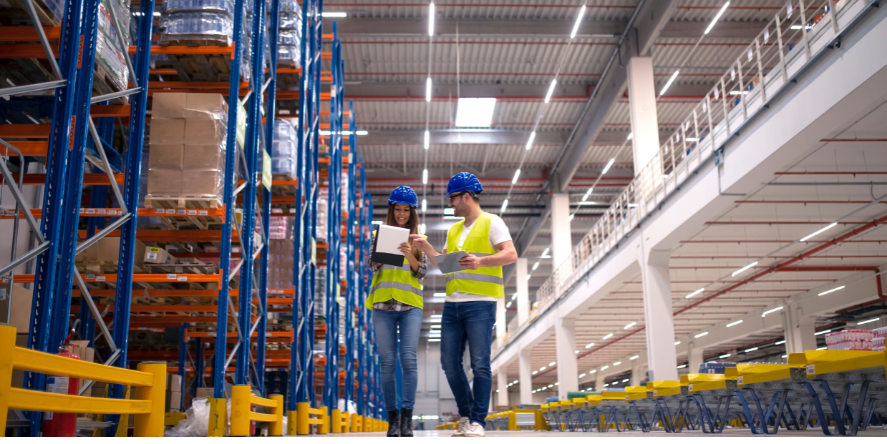
Any business that deals with physical goods eventually needs a place to store them. Buying a warehouse might seem like the obvious long‑term solution, but it requires a huge financial commitment. Renting warehouse space, on the other hand, offers a smarter, more flexible way to grow without taking unnecessary risks.
Rent vs. Buy: Why Renting Makes More Sense
Buying a warehouse locks up millions in capital that could otherwise be used to buy more stock, invest in marketing or hire new staff. Renting allows a business to pay only for the space it actually needs, on a monthly basis. Plus, the landlord usually takes care of maintenance – from a leaky roof to faulty electrics. The business simply uses the space and focuses on its operations.
Key Benefits of Renting
- Saves startup capital – A business gets a ready‑to‑use facility with shelving, security and climate control already in place. No need to spend a fortune on equipment and fit‑out.
- Handles seasonal swings – A company can rent more space when it is needed (Black Friday, New Year) and scale back afterwards. When a business owns a warehouse, it pays for empty square metres all year round.
- Lets a business test new markets – A company can open a branch in another city with a short‑term lease. If it works, it expands. If not, it only loses the rent – not a huge real‑estate investment.
- Access to modern infrastructure – Good warehouse complexes offer secure fenced yards, 24/7 access, loading bays, fire suppression and climate control – all without any extra investment.
Who Needs This Most?
- E‑commerce and online stores – They can get inventory closer to customers for next‑day delivery.
- Manufacturing companies – They can store finished goods without cluttering the production floor.
- Importers and distributors – They can use a staging warehouse for large container shipments before they go to customers.
- Startups and small businesses – They can avoid debt and only pay for the storage they actually need.
What to Look for in a Warehouse
- Location – Near transport routes, but away from city‑centre traffic and truck restrictions.
- Conditions – Dry and ventilated for clothes; climate‑controlled for food or electronics.
- Lease flexibility – Can the business expand at short notice? Are month‑to‑month options available?
- Hidden fees – Clarify what is included (utilities, security, rubbish removal) and what costs extra.
Common Mistakes to Avoid
- Going for the cheapest option – damp or poorly accessed warehouses damage goods.
- Renting too much space – empty square metres are wasted money.
- Skipping security checks – ensure fire alarms, video surveillance and on‑site security are in place.
Final Thoughts
Renting warehouse space is not just about saving money – it is a strategic move that keeps a business agile, allows it to respond quickly to market changes and avoids tying up capital in real estate. A business should not simply chase the lowest price. It should look for the right balance of cost, location and quality. A well‑chosen rented warehouse becomes a reliable partner for a business, not a drain on its resources.
Blog received via email