

The healthcare sector is rapidly modernizing through digital innovation, shifting toward highly proactive, personalized, and precise patient care with Artificial Intelligence being embedded into medical gadgets. Latest medical devices empower healthcare professionals to deliver better care, make accurate diagnoses, and work with near precision.
Breakthroughs in Artificial Intelligence and personal monitors are revolutionizing medical diagnosis and patient care.
History of Medical Gadgets
Medical technology has rapidly evolved from rudimentary ancient tools to sophisticated, lifesaving devices that define modern healthcare.
The timeline of this transformation
Ancient Era: Early medicine relied on basic physical tools like bone needles, simple scalpels, and cauterization irons.
19th Century: The innovation of the stethoscope (1816) and the discovery of X-rays (1895) National Library of Medicine transformed internal diagnostics.
20th Century: Developments like the cardiac pacemaker (1958) Texas Heart Institute and the development of the MRI scanner transformed treatments and non-invasive imaging.
Today: Today’s healthcare utilizes AI biosensors, robotic surgical systems, and highly precise, connected monitoring devices.
Top 5 Gadgets
1. AI-Powered Diagnostic Devices
An AI-powered diagnostic device is a smart medical tool that uses machine learning to analyze patient data (like scans or lab results) to quickly detect diseases and anomalies.
How They Work
- Data Integration
- Pattern Recognition
- Clinical Support
Benefits
- Significantly reduce administrative workloads
- Enhance diagnostic accuracy
- Enables proactive, personalized patient care
Real Application
- Bridge the gap between digital algorithms and physical reality by using sensors to collect data
- Processing data with machine learning
- Executing physical or digital actions
Long-term growth
- By processing data on-device, they act on patients’ behalf to personalize experiences
- Automate daily routines, and optimize energy use
- Allows humans to focus on more creative and meaningful work
Critical Functions
- Enhanced Accuracy
- Early Detection & Prevention
- Speed & Efficiency
- Continuous Monitoring
2. Smart Wearable Health Monitors
Smart wearables have revolutionized health tracking by integrating advanced biosensors. These devices silently track vital physiological data such as ECG, blood pressure, and oxygen levels without requiring active input from the user
Key Functions
- Heart Rate Monitoring
- Blood Oxygen (SpO2)
- Blood Pressure Estimation
Benefits for Patients
- Continuous Remote Monitoring
- Early Detection & Emergency Alerts
- Proactive Chronic Disease Management
- Personalized Health Insights
- Reduced Medical Anxiety
The impact of this technology extends across several key sectors:
Healthcare and Clinical Practice
- Remote Patient Monitoring (RPM)
- Chronic Disease Management
- Clinical Research
Insurance and Corporate Benefits
- Incentivized Insurance Policies
- Corporate Wellness Programs
Innovation and Tech Ecosystem
- Advanced Biosensors & AI
- Data Security Challenges
Major Points
- Heart Rate & ECG Monitoring
- Blood Oxygen (SpO₂)
- Sleep Tracking
- Stress and HRV Analysis
- Activity & Fitness Tracking
- Body Temperature Sensors
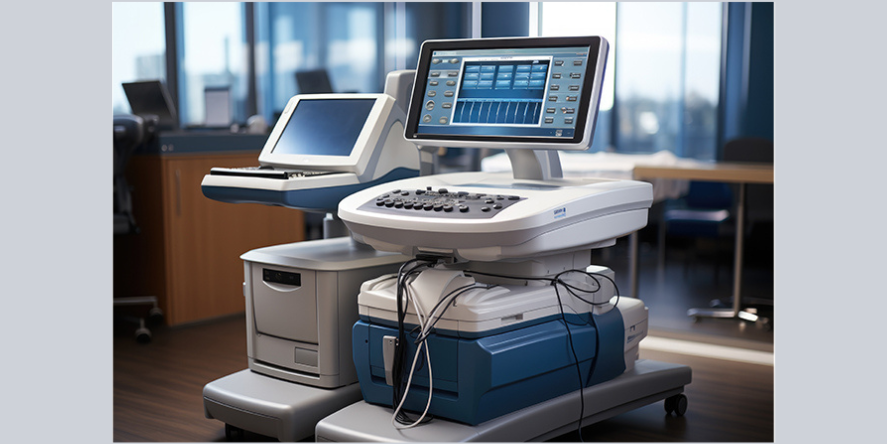
3. Portable Ultrasound Scanners
Portable ultrasound scanners are compact, lightweight devices that bring diagnostic capabilities directly to the patient’s bedside or point-of-care (POC). Portable ultrasound devices enable immediate, on-site diagnostics right at the patient’s bedside.
Advanced features
- Wireless and Compact Design
- Advanced Imaging Modes
- Artificial Intelligence (AI) Tools
- Long Battery Life & Durability
- Cloud Connectivity & Telemedicine
Healthcare advantages
- Faster and Accurate Diagnoses
- Enhanced Procedural Safety
- Ultimate Mobility & Flexibility
- Improved Workflow & Efficiency
- Lower Cost of Ownership
Handheld Imaging
- Smartphone & Tablet Integration
- Extreme Miniaturization
- Ergonomics & Durability
Point-of-Care Diagnostics
- Immediate Decision-Making
- AI & Telemedicine Assistance
- Cost-Effectiveness
Accessibility in Remote Areas
- Off-Grid Reliability
- Low-Resource Settings
- Global Health Equity
4. Surgical Robots
Surgical robots are advanced medical devices that enhance precision and control, allowing surgeons to perform complex, minimally invasive procedures through tiny incisions using real-time translation of hand movements.
Key Innovation
These technological advancements provide critical benefits across various surgical specialties such as
- Enhanced Precision & Dexterity
- Improved Visualization & Imaging
- Artificial Intelligence (AI) and Machine Learning
- Specialized Endoluminal Access
- Ergonomics and Reduced Fatigue
How Surgical robots help surgeons and patients
Benefits to Patients
- Faster Recovery
- Reduced Blood Loss & Risk
- Shorter Hospital Stays
- Cosmetic Results
Benefits to Surgeons
- Enhanced Precision & Dexterity
- Superior 3D Visualization
- Ergonomics & Less Fatigue
Industry Adoption
Global Adoption by Region
- United States
- Europe & UK
- Asia-Pacific
Dominant Industry Players & Specialties
- General & Gynaecological Surgery
- Orthopaedics & Spine
- Emerging Innovations
What do they do?
- Surgical robots use advanced computing and 3D imaging to assist surgeons in performing minimally invasive procedures.
- Advanced systems that allow surgeons to perform complex, minimally invasive procedures through tiny incisions
- Surgical robots allow doctors to perform precise, minimally invasive operations through tiny, keyhole-sized cuts
5. Smart Medication Dispensers
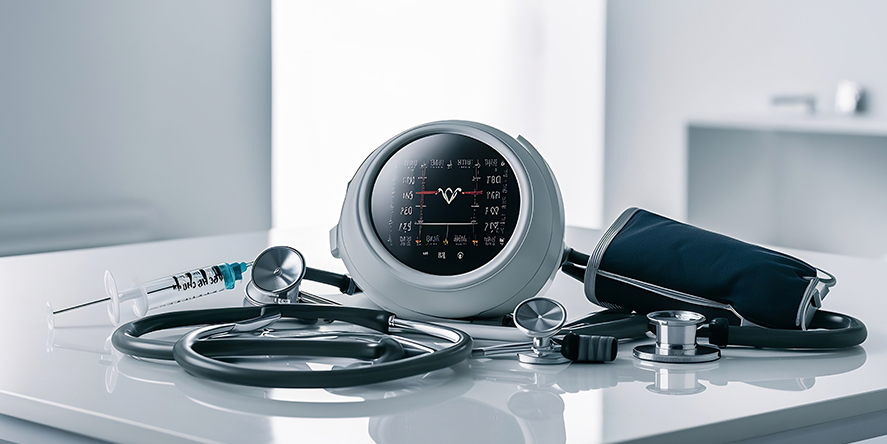
The SMART Dispenser is a smart, automated device that manages and distributes patient medications. It functions by organizing pills, scheduling exact intake times, and delivering the correct dosage automatically
Important Features
Smart Pill & Medication Dispensers
- Automated Scheduling
- Calming Alerts
- Security & Logs
Great Stuff Smart Dispenser (Construction/DIY)
- No-Drip Tip & Anti-Clogging
- Spring-Trigger Control
Smart Water & Kitchen Dispensers
- Auto-Fold Spouts
- Touchless Operation
Smart Dispenser Machine (SDM) / Access Control
- Biometric Authentication
Future Development
- Biometric & Facial Verification
- IoT & Telehealth Integration
- AI-Based Analytics
- Voice Assistant Capabilities
- Smart Pill Trays & Auto-Replenishment
- Motion & Bio-Sensors
Key Points
- Medication Reminders
- Dose Accuracy
- Improved Treatment Adherence
Future Trends in Medical Gadgets
Healthcare is evolving from devices that merely record or treat illnesses after the fact to smart, AI-driven software and wearables that actively predict, manage, and treat health conditions in real-time. Medical technologies like wearable sensors, connected devices, and robotic systems are decentralizing healthcare. By enabling real-time monitoring, early detection, and tailored treatments, these innovations allow patients to receive proactive, hospital-level care directly in their everyday lives.
Trends to watch out for
- AI-Driven Diagnostics & Scribes
- Medical-Grade Wearable
- Digital Therapeutics (DTx)
- Smart Implants & Bioelectronics
- Precision Robotics
Ecosystem Integration
- IoMT Data Backbone
- Sustainability and Eco-design
Conclusion
- By enabling remote monitoring, AI-driven diagnostics, and minimally invasive treatments.
- These innovations empower patients and relieve strain on clinical facilities, resulting in better health outcomes and more accessible care.
- Modern healthcare systems use digital technologies to transform clinical delivery, focusing on core benefits that directly enhance everyday care.
- Medical technology is shifting from reactive, clinical treatments to predictive, continuous, and highly personalized care.
Article by Baldeb Ram