
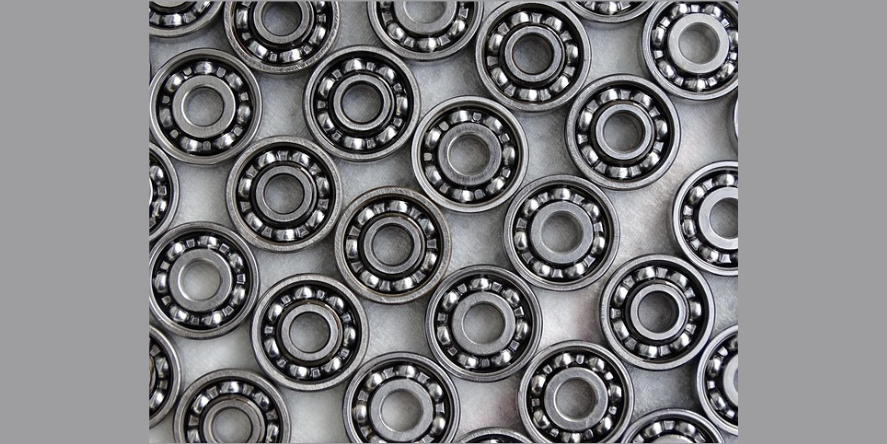
As a bearing purchaser, you may find that identifying a suitable and reliable bearing manufacturer for your project is not always easy. A supplier may initially appear to meet your requirements, but without evaluating the right factors, you may later discover that the manufacturer is not a good fit for your business. Choosing the wrong supplier can lead to quality problems, project delays, additional costs, and even significant financial losses. It is therefore crucial to follow a structured sourcing process that reduces supplier-selection risks and makes bearing procurement simpler and more efficient.
How to Choose a Bearing Manufacturer?
So how can you choose a bearing manufacturer smartly and simplify your sourcing process? Just follow the below guide to choose a bearing manufacturer for your needs.
Step 1. Understand the Bearing, Drawing, and Working Conditions
As a bearing purchaser, you may not be an engineer for the project. Therefore, first of all, you need to understand the bearing your project requires, including the bearing type, quantity, bearing dimensions, bearing materials, bearing speed, and working conditions, such as high or low temperatures, clean, dusty, dirty, or food-grade environments.
Step 2. List All the Factors You Need to Consider Before Sourcing a Bearing Manufacturer
After understanding the bearings you need, you should list all the factors you need to consider when sourcing a bearing manufacturer. Here are the key factors:
1. Bearing Quality
The first factor you need to consider is the quality that the bearing supplier or manufacturer can offer, as quality is the most important factor for your project.
You can visit its website and check its bearing-testing equipment to understand whether it has a testing process. Then, check its website, social media, or third-party platforms to see whether it has published its quality certifications or related documents. If so, this may indicate that the company is confident in its quality.
2. Bearing Price
Next, you need to consider the price, as controlling costs is an important responsibility for bearing purchasers. You can first research the general price of the bearing you are sourcing. This is relatively easy because most bearings are standard products, and their prices may be available on websites or third-party platforms such as Amazon. You can then determine the highest price you can accept.
3. Bearing Types and Custom Bearings
A bearing manufacturer may produce only one or several types of bearings. If you need many different bearing types, sourcing them from different factories may require a lot of time.
Therefore, it would be helpful to find a bearing supplier that manufactures some bearings and can also help you source the other bearings you need.
Moreover, you may be a manufacturer that requires custom bearings for your application. If the bearing manufacturer can provide only standard bearings, it may not be suitable for your future work.
4. Production Capacity
You need to compare your bearing requirements with the manufacturer’s production capacity. This can prevent problems when you have urgent production requirements or a very large order that the supplier cannot fulfill.
5. Manufacturing and Export Experience
If you want to receive high-quality bearings on time, you should check how many years the bearing supplier has been involved in bearing manufacturing and whether it has experience in exporting and delivering bearings.
6. Engineering Support
It is crucial for a bearing factory or company to have engineers. They can help you evaluate problems with the drawings and ensure that there are no problems throughout the production process.
When you encounter problems while installing the bearings, they can also offer professional advice.
Step 3. Find the Bearing Manufacturer
Now, you can search on Google or visit third-party platforms such as Alibaba.com, Amazon.com, or other platforms to find B2B bearing manufacturers. Check whether each bearing manufacturer can meet your requirements.
Step 4. Re-evaluate the Bearing Manufacturer
After choosing a bearing manufacturer or supplier, you can check its company information through different sources to ensure that the information it provides publicly is consistent with what it has told you.
After that, you can contact the bearing manufacturer or supplier and send your requirements to get a quotation.
Final Words
Choosing the right bearing manufacturer involves more than comparing prices or finding a supplier that offers the required model. You need to understand the application, define the technical requirements, evaluate the supplier’s quality system, confirm its production and engineering capabilities, and verify its ability to provide reliable long-term support.
Blog received on email.