

Dubai’s property market spans independent villas, residential communities, high-rise towers, hotels, offices, warehouses, and industrial facilities. Their maintenance needs differ significantly, but the underlying requirement is the same: reliable building systems, clear technical accountability, and fewer recurring failures.
That is where facility management in Dubai is moving beyond a reactive, ticket-based model.
A fault can be reported, attended to, and closed, yet still return days or weeks later. Repeated HVAC failures, drainage problems, pump faults, and electrical issues often indicate that the immediate symptom has been addressed without resolving the underlying technical condition.
The more useful measure of maintenance performance is therefore not simply whether the ticket was closed, but whether the building system is understood, maintained, and kept operational.
From Reactive Maintenance to Building Uptime
Reactive maintenance will always be necessary. Unexpected failures happen, and rapid response matters. The problem begins when reactive work becomes the maintenance strategy itself.
A performance-focused FM model combines planned preventive maintenance, recurring-fault investigation, engineering oversight, coordinated MEP and HVAC maintenance, evidence-based reporting, and clear service accountability.
The Mid-Market Gap in Dubai Facility Management
Dubai has small, reactive contractors at one end of the market and large FM organizations at the other. Between them is a group of property owners and operators that need stronger engineering discipline and accountability without requiring the cost structure or complexity of a large-scale FM contract.
That market includes villas, residential buildings, towers, hospitality assets, offices, warehouses, and industrial facilities.
The challenge is not simply finding a maintenance company. It is finding an operating model that can scale its technical depth to the asset.
From Independent Villas to Complex High-Rise Towers
A capable FM model should not force every property into the same structure.
An independent villa may need responsive maintenance covering HVAC, plumbing, electrical systems, pumps, and water services, supported by preventive maintenance without unnecessary layers.
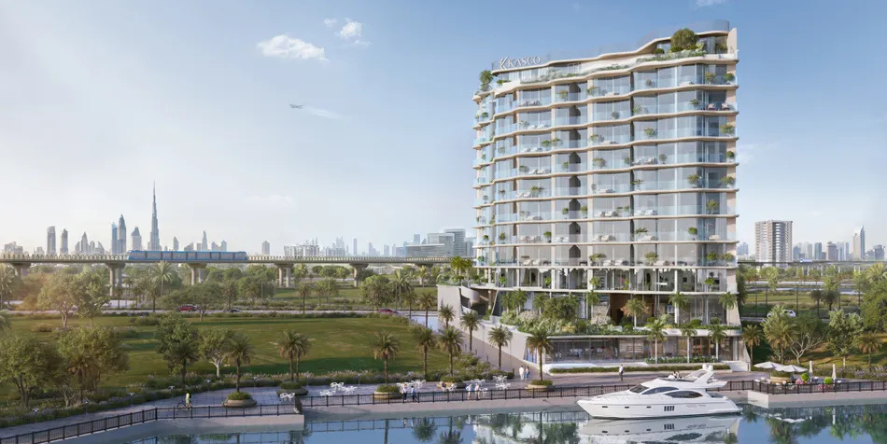
A high-rise residential or commercial tower can involve interconnected systems, common-area assets, pumps, water distribution, drainage, electrical infrastructure, cooling equipment, controls, and occupied environments. It demands deeper coordination and maintenance planning.
The difference is scale and complexity, not operating philosophy. The same principles of preventive maintenance, fault investigation, documentation, and accountability can be applied proportionately to both.
This is central to SnapFixNow FMC‘s model: remaining commercially and operationally suitable for an independent villa while being capable of supporting complex high-rise and multi-system properties. The same approach extends to hotels, commercial buildings, warehouses, and industrial facilities where uptime can directly affect operations.
A Leaner Model With Stronger Operating Discipline
Many mid-market properties do not need the overhead of a large FM organization, but they do need the disciplines that make professional FM effective.
SnapFixNow FMC is built around a mid-market proposition: tier-one operating discipline delivered through a leaner and more agile FM structure.
That means applying SLA-driven service delivery, preventive maintenance planning, engineering oversight, structured reporting, and accountability while retaining the responsiveness and commercial flexibility that smaller and mid-market properties often require.
Six Pillars Supporting Building Performance
SnapFixNow FMC structures its operating model around six core service pillars:
- Annual Maintenance Contracts provides planned preventive maintenance, breakdown response, and structured technical support.
- Facility Management provides coordinated maintenance oversight across operational properties.
- MEP Services and Maintenance provides mechanical, electrical, and plumbing systems, including pumps, drainage, water systems, and related building services.
- HVAC maintenance provides preventive servicing, fault investigation, and technical support for ventilation systems.
- The outsourced engineering team provides engineering and technical manpower support where organizations need additional capability without immediately expanding permanent in-house teams.
- Insurance Claim Support provides the technical, repair, and reinstatement side of property-related insurance claims.
Together, these pillars allow the same engineering-led philosophy to be adapted to the actual requirements of each property rather than forcing each asset into a fixed FM template.
Facility Management Should Scale With the Asset
A villa should not carry the overhead of a tower-level FM structure. Equally, a complex high-rise should not be managed with the same reactive approach used for isolated household repairs.
The right facility management model scales engineering depth, reporting, manpower, and preventive-maintenance structure according to the property while maintaining consistent operating discipline.
For some assets, that may mean a focused annual maintenance contract. For others, it may require broader facility management, coordinated MEP and HVAC maintenance, outsourced engineering support, or multidisciplinary technical oversight.
The outcome remains consistent: fewer recurring faults, stronger maintenance visibility, clearer accountability, and more reliable building systems.
That is the shift from reactive maintenance to building uptime.
Blog received via mail