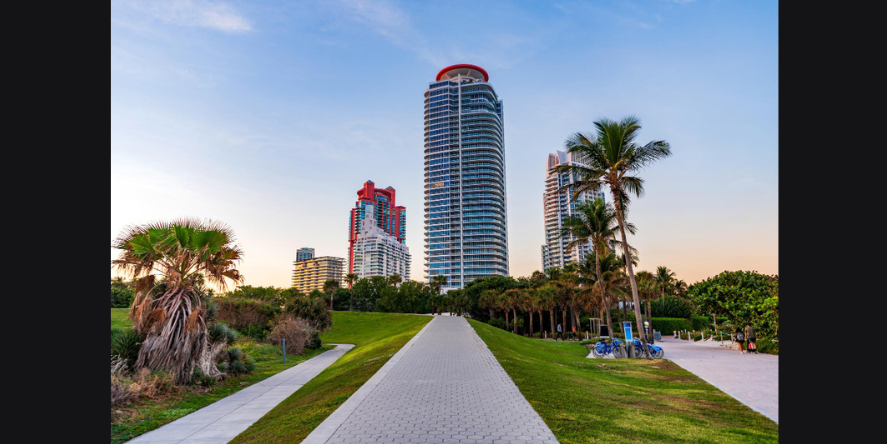


Dubai’s residential market just posted one of its strongest delivery quarters in years. Nearly 27,300 homes were completed in a single three-month period, made up of roughly 17,400 apartments and 9,900 villas and townhouses. For a city defined by rapid construction, that number is impressive on its own. But handing over a set of keys is not the same as building a functioning community, and the more important story is what happens after the ribbon-cutting.
A Record Quarter, and the Silence That Follows
New buildings arrive with marketing brochures, sales teams, and press coverage. Once owners move in, that attention tends to disappear. Someone still has to maintain the pool, service the elevators, collect fees, resolve disputes between neighbours, and keep shared facilities running the way they were promised. In a market delivering tens of thousands of units a year, this operational layer is easy to overlook, yet it decides whether a community holds its value or slowly deteriorates.
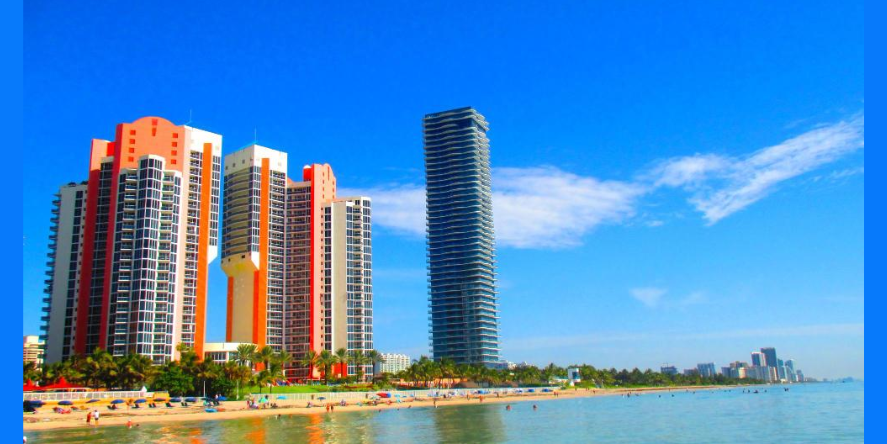
Why Delivery Volume Puts Pressure on Management Quality
A surge in handovers means a surge in newly formed owners’ associations, many led by residents with no background in facilities operations, budgeting, or UAE regulatory requirements. Each new building must transition from developer control to owner-led governance, register its owners’ committee, set an annual service charge budget, and comply with the reporting standards set by Dubai’s regulators. That is a heavy administrative load to place on volunteer committee members who are also, in most cases, first-time owners learning the building’s systems for the first time.
Service charge disputes, maintenance backlogs, and unclear governance are common outcomes when this transition happens without proper support. Owners argue over what a fair budget looks like, contractors go unpaid or unsupervised, and shared amenities fall into disrepair faster than anyone expected. None of this is unique to Dubai, but the sheer pace of delivery here means many communities face this transition at the same time, stretching the pool of experienced management providers thin and leaving some buildings to figure things out on their own.
The Case for Professional Community Management
This is where a professional community management company becomes less of a convenience and more of a necessity. Experienced operators bring structured budgeting, transparent financial reporting, compliant governance frameworks, and hospitality-style service standards that individual owners’ committees are rarely equipped to deliver on their own. Dubai-based firms such as Strata Global have built their practice around exactly this gap, managing owners’ associations and body corporate structures across some of the city’s most complex residential and mixed-use developments, from service charge administration and vendor oversight to committee support and long-term maintenance planning.

The value of this kind of oversight becomes clearer with time rather than at the moment of handover. A community with well-run financials keeps its service charges predictable year over year. A building with proactive, scheduled maintenance keeps its resale value intact rather than watching it erode as shared facilities age unevenly. A well-governed owners’ committee, supported by professionals who understand the regulatory landscape, keeps day-to-day disagreements from escalating into costly legal disputes. None of this shows up in a headline about units delivered, but all of it determines how that headline reads five or ten years later, once the initial excitement of a new building has faded.
Managing Dubai’s Next Wave of Housing Growth
Twenty-seven thousand new homes in one quarter is a supply story, and a genuinely positive one for a city that has spent years managing housing demand. What happens inside those buildings over the next decade, however, is a management story, and it is the one that will matter most to the people who actually live there. As Dubai’s residential pipeline keeps expanding, the developers and owners who invest early in professional, experienced management are the ones most likely to see their communities age well, rather than simply age.
Article recieved on email