
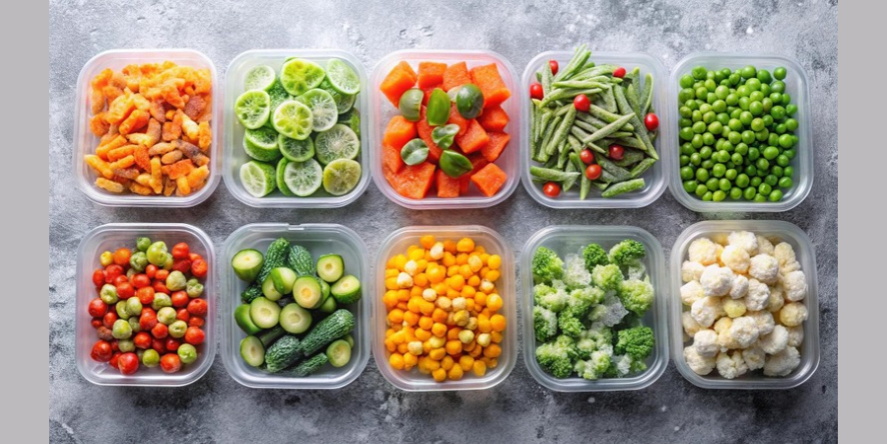
The love for frozen food has emerged as a desirable alternative to fresh food, positioning itself as an essential component of the global food system for years to come.
Frozen food has transformed from a low-quality backup option into a premium choice that rivals fresh food. For decades, shoppers viewed frozen items as inferior substitutes lacking flavour and nutrition, relying on them only for convenience or during seasonal shortages. However, the food industry is witnessing a massive shift in consumer perception. With advanced flash-freezing technology, people increasingly recognise that today’s frozen fruits, vegetables, seafood, and ready meals can equal – or even surpass – their fresh counterparts in overall quality, convenience, and environmental sustainability.
This shift in perception has been driven by advances in freezing technology, changing lifestyles, growing awareness of food waste, and a broader understanding of nutrition. As a result, frozen food has evolved from a convenience category into a mainstream food solution embraced by households worldwide.
The modern consumer faces a daily dilemma: how to prepare healthy, satisfying meals while balancing work, family responsibilities, commuting, and leisure activities. With increasingly busy lifestyles, especially in urban areas, meal preparation has become a challenge. Frozen food offers an effective answer.
Flash-frozen vegetables, fruits, seafood, meats, and ready-to-cook meals significantly reduce preparation time while maintaining quality. Frozen products can remain usable for weeks or months, enabling flexibility. This practicality has made frozen food particularly attractive to working professionals, students, young families, and older adults across the world, particularly in low agriculture producing regions.
A major reason behind the growing acceptance of frozen food is the realisation that quality is not compromised. Modern flash-freezing techniques freeze products shortly after harvesting or processing, locking in flavour, texture, colour, and nutrients. Many fruits and vegetables are frozen within hours of being picked, preserving their freshness at its peak.
Fresh produce, by contrast, may take several days or even weeks in transportation, storage, and retail distribution before reaching consumers. During this period, nutrient levels can naturally decline. Consequently, frozen products can sometimes retain more nutritional value than “fresh” items that have travelled long distances before consumption.
Food manufacturers have also responded to consumer demand by introducing premium frozen offerings, including organic vegetables, chef-inspired meals, plant-based products, gourmet seafood, and preservative-free options. These developments have strengthened confidence in frozen foods and reduced the quality gap that once existed in consumers’ minds.
Despite these advances, several misconceptions continue to surround frozen food. One common myth is that freezing destroys nutrients. Scientific research has repeatedly shown that freezing preserves most vitamins and minerals very effectively. While some nutrient loss may occur during blanching or processing, frozen foods generally maintain high nutritional value over time.
Frozen Food Sans Preservatives
Another misconception is that frozen food contains excessive preservatives. In reality, freezing itself acts as a preservation method, reducing the need for chemical preservatives. Many frozen fruits and vegetables contain no added preservatives at all.
Consumers have also long associated frozen products with poor taste and texture. Modern technologies such as Individual Quick Freezing (IQF) preserve food structure much more effectively, delivering better taste and texture after thawing or cooking. The most persistent misconception is that frozen food is less fresh than fresh food. In fact, flash-freezing captures products at their optimal stage of ripeness or freshness, effectively pausing natural deterioration and preserving quality until consumption.
Major markets like the U.S., Germany, China, France, and Spain heavily drive the industry. Additionally, rapid urbanisation in the Asia-Pacific and South American regions is fuelling substantial demand for frozen ready-to-eat meals, which is projected to grow significantly throughout the forecast period.
Changing Consumer Mindset Boosts Growth
The market’s rapid growth reflects this changing consumer mindset. According to industry estimates, the global frozen food market was valued at approximately USD 325 billion in 2025 and is projected to exceed USD 500 billion by 2034, with Europe remaining the largest regional market. Other market analyses similarly place the industry’s current value between USD 327 billion and USD 450 billion, confirming the worldwide scale and continued growth of the sector.
Several trends are shaping the future of frozen food consumption. Health-oriented products have become increasingly popular, with consumers seeking frozen options that are organic, high-protein, low-sodium, gluten-free, or plant-based. Ready-to-eat and ready-to-cook meals continue to expand as consumers look for convenience without sacrificing nutrition.
Another important trend is premiumisation. Frozen food is no longer limited to budget-conscious shoppers. Consumers are willing to pay more for restaurant-quality frozen meals, sustainably sourced seafood, specialty vegetables, and globally inspired cuisines.
E-Commerce Enabling More Access
E-commerce is also transforming the industry. Online grocery shopping and improved cold-chain delivery services have made frozen products more accessible than ever, allowing consumers to purchase a wide range of products from their homes. Industry reports indicate that online frozen food sales are among the fastest-growing segments of the market.
Technology has been instrumental in changing perceptions and improving product quality. IQF, one of the industry’s most important innovations, freezes each item separately at extremely low temperatures. This process minimises ice crystal formation, helping preserve texture, flavours, and nutritional integrity. Advanced cold-chain logistics ensure temperature consistency throughout transportation and storage, reducing spoilage and maintaining product quality.
Manufacturers are also using smart packaging, automated freezing systems, and data-driven quality monitoring to optimise freshness. These technologies enable frozen foods to retain their natural taste while meeting increasingly demanding consumer expectations.
Diverse Habits Derive Consumption
Consumer habits vary across global regions, but frozen food consumption continues to rise everywhere.
In North and South America, frozen meals, snacks, vegetables, and protein products are widely consumed due to busy lifestyles and strong retail infrastructure. Consumers increasingly prefer healthy frozen meal options, particularly those with clean labels and high protein content.
In Europe, which represents the largest share of the global frozen food market, consumers have long embraced frozen vegetables, seafood, bakery products, and prepared meals. Sustainability concerns and efforts to reduce food waste further strengthen demand.
Across Asia, rapid urbanisation, rising disposable incomes, and the growth of modern retail formats are accelerating frozen food adoption. Ready-to-cook meals, dumplings, seafood products, frozen vegetables, and convenience snacks are especially popular among urban consumers. Industry analysts identify Asia-Pacific as one of the fastest-growing frozen food markets globally.
The frozen food market in West Asia (tracked typically under the Middle East or Gulf Cooperation Council (GCC) region is valued at approximately $8.98 billion to $9.35 billion as of 2026, and is projected to reach $11.44 billion by 2031, according to an Analysis by Mordor Intelligence. While traditionally preferring fresh foods, consumers in this region are increasingly adopting frozen options. This evolving retail infrastructure supports a significant rise in per-capita frozen food consumption throughout the region.
In Africa, frozen food consumption is expanding as cold-chain infrastructure improves and modern supermarkets become more widespread. Frozen poultry, seafood, vegetables, and packaged meals are increasingly viewed as affordable and practical solutions.
Across the Pacific region, including Australia and New Zealand, consumers show strong demand for premium frozen products, organic offerings, and health-focused meal solutions. Environmental awareness and food waste reduction initiatives further support frozen food purchases.
As lifestyles continue to evolve, the distinction between fresh and frozen food will keep blurring. Consumers are recognising that frozen food as new normal which can deliver convenience, nutrition, consistency, and value at the same time maintaining quality.
Top 10 Trends in the Global Frozen Food Market*
- Frozen Foods Made from Plants
- Focus on Sustainability
- Increase in Premium Products
- E-commerce Growth
- Developments in Freezing Technology
- Product Variety & Innovation
- Frozen Dairy & Snacks
- Focus on Food Waste Reduction
- Ethnic & Global Flavors
- Convenience and Ready-to-Eat Meals
Top 10 Frozen Food Companies*
- Nestlé S.A.
- Unilever
- Kellogg Co.
- McCain Foods Limited
- The Kraft Heinz Company
- Associated British Foods plc
- Schwan’s Company
- Cargill, Incorporated
- Goya Foods, Inc.
- Europastry
* Source: Spherical Insights & Consulting
Article By Imtiaz Ahmed Shariff
For similar news, please visit these web pages:
Syrve MENA partners with LDC Kitchen + Coffee
Sustainable agriculture: Can agriculture be environment-friendly?