
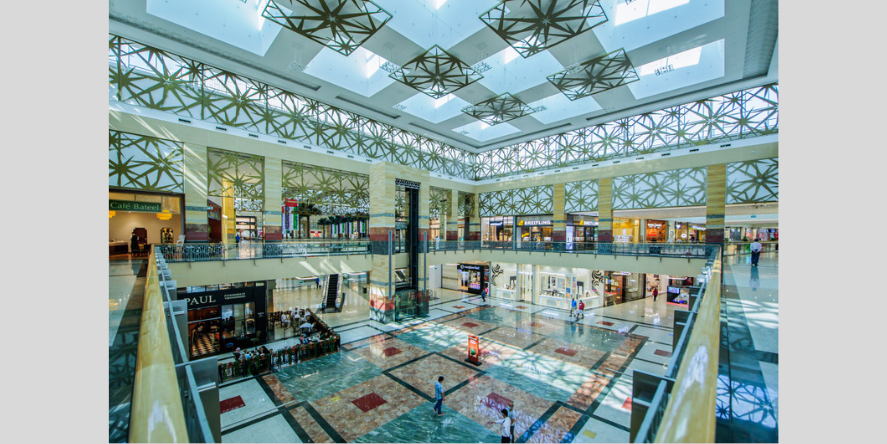
A decade ago, a Friday in the UAE meant a trip to the mall. Today, it means a Noon notification, a TikTok Shop video, a Tabby installment plan, and a 15-minute grocery delivery, often before leaving the couch.
The UAE e-commerce market reached roughly $12.3 billion in 2026 and is on track to hit $21 billion by 2031, growing at an 11.29% annual rate. Malls remain busy, but routine and everyday shopping has moved decisively online.
Why Has Shopping Behaviour Changed So Fast in the UAE?
A young, mobile-first population. More than three-quarters of the UAE’s residents are expatriates, and the population skews young and highly connected. Smartphones now drive close to 79% of all e-commerce transactions, making mobile the default entry point for nearly every online purchase.
Proactive Government & Digital ID. Dubai’s D33 agenda and the 2022 Personal Data Protection Law transformed the UAE into a regional e-commerce hub. Simultaneously, UAE Pass surpassed 11 million users by 2025; its single sign-on integration has lifted checkout conversion rates by up to 40%.
How Retail Formats Have Shifted
Malls in Dubai and Abu Dhabi aren’t disappearing; their roles are shifting toward leisure and flagship branding, leaving routine purchases to digital channels.
| Shopping Format | Primary Role Today | Typical Use Case |
| Shopping malls | Experience & leisure | Dining, entertainment, high-ticket items |
| Marketplace apps (Noon, Amazon.ae) | Everyday retail | Electronics, home goods, restocking |
| Social commerce (TikTok, Instagram) | Video-led discovery | Fashion, beauty, trending products |
| Quick commerce apps | Immediate fulfilment | Groceries, last-minute essentials |
| Fashion verticals (Namshi, Shein) | Category browsing | Apparel, footwear, accessories |
Cross-Border Growth: An estimated 58% of UAE online purchases now come from overseas vendors, reflecting deep consumer trust in international shipping.
Which E-Commerce Platforms Dominate UAE Shopping?
A handful of giants capture the bulk of UAE retail activity:
| Platform | Category Focus | Notable Strength |
| Noon | General marketplace | Regional ownership, rapid hyper-local delivery |
| Amazon.ae | General marketplace | Trusted global logistics, competitive pricing |
| Namshi | Fashion and lifestyle | Curated apparel, localized sizing |
| Shein | Fast fashion | Ultra-low pricing, rapid catalog turnover |
| TikTok Shop | Social commerce | Live selling, Gen Z video discovery |
Fashion remains the single largest online category, holding roughly a 22% market share and producing close to 39% of total e-commerce revenue. Consumer electronics follow at around 20% of revenue, driven largely by younger male shoppers chasing better prices online than in-store.
Social Commerce: Shop Where You Scroll
Social commerce has stopped being a side channel. In the UAE, product discovery increasingly starts on a feed rather than a search bar. Shoppers watch a video, tap a product tag, and complete checkout without leaving the app, and content and commerce have effectively converged, especially in fashion and beauty.
Why BNPL Rules UAE Checkout
Valued at $4.25 billion in 2025 and projected to grow at an 18% annual rate through 2031, BNPL is used by roughly 39% of UAE shoppers.
- Providers Tabby and Tamara dominate, with Tabby alone reporting over 10 million users and more than 30,000 merchant partners across the GCC.
- Millennials lead usage at roughly 45% of the BNPL customer base, while Gen Z adoption is growing fastest.
- Consumer electronics is the top category, accounting for around 32% of BNPL spend, followed by fashion.
- Regulation has matured the market. The UAE Central Bank’s 2023 licensing framework legitimized BNPL providers as regulated financial institutions, cementing shopper trust.
Quick Commerce: The 15-Minute Race
Grocery and food delivery have compressed shopper expectations around speed. Quick commerce apps promising delivery in 15 to 30 minutes have shifted what “convenient” means in the UAE, and retailers across categories are racing to match that expectation for non-grocery items too. The food and beverage e-commerce category is expanding at a projected 15.2% annual growth rate through 2030.
The UAE’s Shift Away From Cash
Cash-on-delivery (COD), once the regional standard, is rapidly giving way to digital payments.
| Payment Method | Share / Trend | Direction |
| Cards (Visa, Mastercard) | Majority share of online payments | Stable to growing |
| Digital wallets (Apple Pay, e& money, PayIt) | Around 44% of payments in 2025 | Rising sharply |
| Cash on delivery | Down 37% in volume over four years | Falling |
| BNPL (Tabby, Tamara, others) | Roughly 39% shopper adoption | Rising sharply |
According to market research, digital wallets held nearly 44% of UAE e-commerce payments in 2025, and roughly three-quarters of Checkout.com users say they would default to card or wallet payments if cash-on-delivery disappeared entirely. Micro-installments under AED 500 are also raising purchase frequency for impulse categories like fashion and electronics.
How Are UAE Shoppers Cutting Costs While Spending More Online?
More transactions haven’t meant less price sensitivity. Alongside BNPL, shoppers are turning to coupon aggregators like GrabOn, cashback platforms, and co-branded credit cards from banks such as Mashreq and HSBC. Stacking a coupon code with a cashback card and an instalment plan has become a fairly standard checkout routine, especially around sale seasons like White Friday and back-to-school.
Omnichannel Retail: Where Physical and Digital Now Overlap
Retailers that once treated online and offline as separate operations have largely abandoned that split. Click-and-collect, in-store returns for online orders, and app-based loyalty programmes tied to both channels are now standard among major UAE retailers, including grocery chains like Carrefour and Lulu.
BNPL has followed the same pattern. In-store point-of-sale BNPL is now one of the fastest-growing payment channels in the UAE. Shoppers browse in a mall, check prices on Noon, and pay through Tabby, sometimes within a single visit.
Where UAE Retail is Headed
The next phase of UAE retail looks less like a shift from physical to digital and more like a blurring of the two. Expect BNPL to keep expanding into new categories beyond fashion and electronics, quick commerce to push delivery speed even further, and social commerce to take a larger share of discovery as platforms like TikTok Shop deepen their regional presence. Government-backed digital identity infrastructure and payment rails will keep lowering friction at checkout, and the shoppers driving all of this, young, mobile-first, and increasingly value-conscious, aren’t slowing down.