
Online selling has become highly competitive nowadays. Every year, there are new companies joining the market, and advertising costs are growing, giving customers more choice. Although paid advertising will always be a good marketing instrument, it is getting costlier and more unpredictable in terms of results for many British retailers.
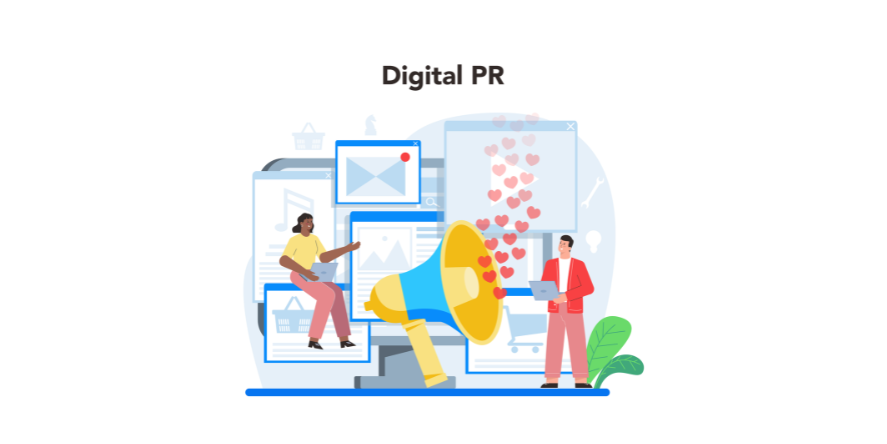
This situation makes retailers search for other ways of achieving continuous visibility. Today, one of such options is digital PR. Instead of investing money into the acquisition of each website visitor, retailers get media coverage, high-quality backlinks, and brand mentions, which continue bringing value even after the PR campaign finishes.
This trend doesn’t mean that paid advertising has become obsolete. In fact, businesses understand that long-term success often requires more than just spending money on promotion. It requires establishing trust and getting more visibility in searches.
The list below includes 6 most important factors that explain the rise of digital PR among UK retailers who don’t want to spend their entire budget on paid ads.
Visibility Gained with Digital PR Endures for Years
There is one of the key differences between paid advertising and digital PR that consists of the longevity of the results. Paid ad will work until the budget is used up. As soon as the money runs out, there will be no more traffic. One will need to spend more and more money just to stay visible.
With digital PR, everything happens differently. And this is called the compounding effect. Every new successful campaign adds one more layer of online authority. Gradually, it will help retailers to increase their visibility on the internet. For many retailers from the UK, it means that digital PR is a more sustainable option than growing advertising budgets.
2. Why Consumers Trust Earned Media More Than Paid Ads
Consumers encounter many ads each day. Due to continuous exposure, many consumers have learned how to overlook such material. However, when journalists, newspapers, or reputable periodicals talk about the company, as its activities have real value for news coverage, consumers are more willing to believe it. The news is considered more credible than an advertisement since the company has earned it.
3. Digital PR Improves SEO by Quality Backlinks
There are many factors for search engines to rank web pages, but one of the most important is still a backlink from a reputable site. This is where digital PR comes into play. When journalists write about a retailer, they use links pointing to the retailer’s site of this retailer. This type of backlink can help to build domain authority and increase visibility.
The difference from artificially created links is that editorial links are earned because the content brings some value to readers. It is common for many retailers to have a digital PR agency create a campaign journalists will want to write about.
4. Growing Ad Costs Create Challenges for Retailers’ Budgets
Advertising costs have gone up significantly in many online channels. The level of competition has risen; more companies are competing to advertise to the same people, and the cost of acquiring customers keeps going up in various industries. This poses challenges for retail firms that operate on tight marketing budgets.
5. Digital PR Works for Several Marketing Channels
One strength of digital PR is that it rarely affects just one channel of marketing. A campaign will usually generate content that can be used by different marketing channels. Moreover, PR campaigns usually initiate conversations on various social media channels. Journalists, influencers, bloggers, and even consumers themselves participate in these conversations.
Instead of working in isolation, digital PR works together with SEO, content marketing, social media, and e-mail marketing.
6. How Digital PR Can Help Create a Powerful Brand Image
A product is easily duplicated; prices change from day to day; there are new strategies of advertising all the time. But brand image makes for a competitive edge in the long run. Digital PR gives retailers the chance to create a story not just about their products.
Brand image can contribute to customer loyalty. Today, people are more inclined to support companies they know and can identify with.
Conclusion
The current trend of increasing popularity of digital PR services among UK retailers demonstrates a wider move towards long-term strategies that emphasize reputation, authority, and sustainability.
While paid advertisements remain highly useful for driving traffic and launching certain campaigns, constant efforts have to be made in order to ensure a continuous presence. The digital PR approach provides an opportunity to obtain media coverage, improve SEO with quality backlinks, enhance business reputation, and generate long-term content.
For retailers that face the challenge of ever-increasing advertising prices and tough competition on the Internet, a good story coupled with earned media can bring much more than just the successful campaign itself.
Blog received via E-mail