
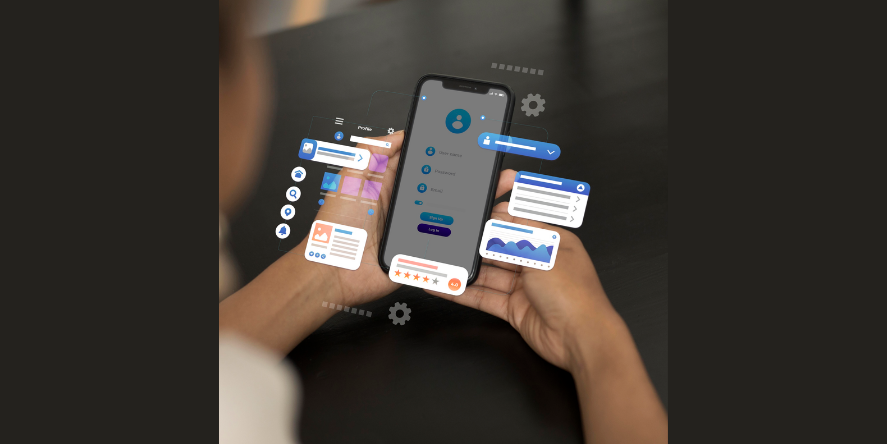
A custom mobile application is a high cost asset involving software engineering, server systems, visual design, quality assurance and technical support. Ensuring the longevity of this asset requires more than keeping the software online after the initial release. Organizations must maintain speed, address the changing requirements of clients, manage digital risks and ensure the software achieves specific commercial targets. Consistent oversight helps avoid unnecessary expenses and preserves the functional utility established during the creation process.
Maintain Application Performance
Constant observation of software speed is necessary to prevent technical decay. Errors like delayed load times, software crashes, network failures and inefficient data processing often appear as the number of users grows or phone operating systems receive updates. Monitoring these factors allows a company to find faults before they affect many clients. Reliable software behavior prevents clients from stopping their use of the application because of technical frustration.
Maintenance activities are most effective when they include testing on various hardware models and software versions. Applications that function correctly on current mobile phones may face compatibility difficulties when manufacturers release new platforms. Technical staff can examine performance data on a fixed schedule to resolve issues based on how much they interfere with users or company operations – this preventative strategy is more efficient than repairing major failures that demand immediate and expensive interventions.
Plan Regular Updates
Mobile software requires frequent modifications to remain compatible with modern technology and client needs. Updates fix security flaws, enhance features, support new phone software and resolve bugs that clients report. A planned schedule for these modifications gives a company control over maintenance and allows for the organized allocation of developers instead of treating every problem as an emergency.
Improvements are most beneficial when they align with commercial goals. New features or technologies are not mandatory simply because they are available. Executives can analyze software data, client opinions and operational needs to choose which changes provide actual utility – this practice ensures that custom software development spending increases the usefulness of the application rather than making the software overly complicated.
Protect Application Security
Security is a fundamental part of maintaining the value of mobile software. Weaknesses can expose private client data, stop business activities and lower the reputation of a company. Frequent security audits, updates to software libraries, strict login controls and data encryption methods lower the hazards. Organizations must also watch for new digital threats to ensure they can react when a vulnerability impacts their specific technology.
Safety planning is a continuous process throughout the lifespan of the software. Applications rely on external code collections, programming interfaces, cloud storage and third party tools that change over time. Keeping these parts updated and checking their interactions with the software prevents old technology from becoming a risk – these methods, derived from professional software engineering, support durable planning.
Monitor User Feedback
Client comments provide specific details regarding if the software fulfills their requirements. Ratings, help requests, surveys and usage statistics highlight common problems or features that clients appreciate. Management can use this data to decide which enhancements are necessary and which existing parts of the application require modification. Addressing valid concerns helps keep clients active and prevents them from switching to other services.
Client requirements change as competitors offer different digital services. An application that was satisfactory during its release may become inadequate if its capabilities do not improve. Regular reviews of feedback allow a company to identify these shifts and change its product plan – this keeps development choices focused on what clients actually need rather than on guesses made at the start of the project.
Manage Development Costs
The protection of an investment also involves the strict management of maintenance spending. Organizations can set budgets for upkeep, rank changes by their commercial importance and analyze the cost of maintaining specific software features. Recording the costs makes it easier to see where a company spends money without gaining a clear benefit. Clear financial data allows for better choices about if to improve, change or remove certain functions.
Technical organization can further decrease unnecessary spending. Constructing the application with a clean structure, writing clear documentation for systems and keeping development workflows tidy makes future edits easier. Companies should avoid letting small technical errors grow. Postponing minor maintenance tasks repeatedly can result in the need for a total rebuild of the software, which is much more expensive.
Review Business Value
Executive teams must evaluate an application against the commercial goals it was built to achieve. Statistics regarding client retention, income, employee output and the number of transactions show if the software is still useful. Frequent assessments help a company decide if current spending levels are appropriate or if the software needs changes to improve its results. Long-term care does not require keeping an application identical forever.
Technology, client needs and corporate plans change. A scheduled review helps determine if the best choice is to continue development, perform a significant redesign or replace the software entirely. By treating the application as a permanent company asset, managers can make intentional choices that keep the software useful and support steady growth.
Conclusion
Protecting an investment in a custom mobile application requires constant attention. Maintaining speed, scheduling updates, following security protocols, listening to clients, controlling costs and reviewing commercial results preserve the value created at the start. A proactive strategy allows a company to fix problems early, focus on useful improvements and ensure that money spent on the software achieves measurable results.
Blog received via e-mail