

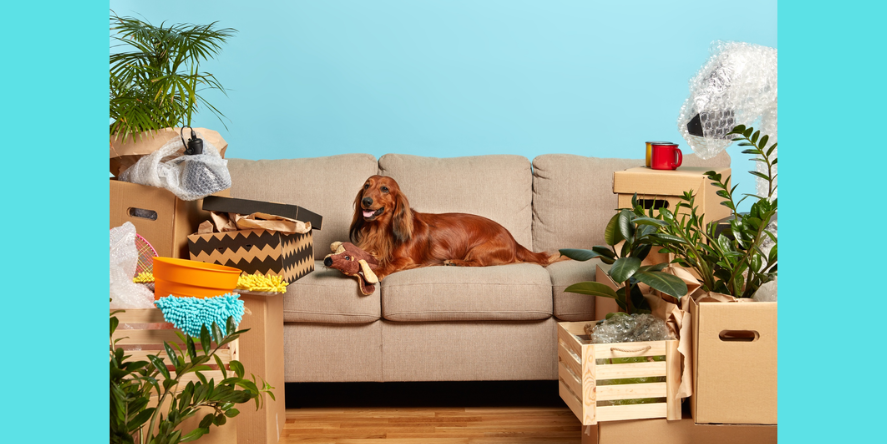
Moving from New Zealand to Australia with pets and furniture requires careful coordination between international shipping, animal transport and Australian biosecurity requirements. While household belongings can travel by sea or air freight, pets must meet specific health and entry conditions. Planning both arrangements early helps you manage costs, prepare the necessary documents and avoid unnecessary delays when settling into your new Australian home.
Coordinate Pet Travel and Furniture Shipping
Your pets and furniture will usually travel through different transport arrangements, making it important to coordinate their arrival dates. Household furniture often travels by sea freight, while cats and dogs generally travel by air through approved animal transport services.
You might organise your pet’s journey separately while arranging expert help with relocating to Australia from NZ for your household belongings. Keeping both arrangements on a shared schedule helps you coordinate collection dates, accommodation and delivery.
Consider whether your Australian property will be ready when you arrive. If your furniture is still in transit, temporary accommodation or storage may be necessary. Pet-friendly accommodation is particularly important if your animals arrive before your belongings.
Meet Australia’s Pet Entry Requirements
Australia has specific import conditions for animals arriving from New Zealand. According to the Australian Department of Agriculture, Fisheries and Forestry, cats and dogs arriving directly from New Zealand generally do not require an import permit or quarantine when they meet the standard entry conditions.
However, your pet must be microchipped and have the appropriate veterinary health certificate. Required parasite treatments and a final veterinary examination must be completed within specified periods before departure. The department recommends allowing one to two months to organise the necessary preparations.
Contact a New Zealand Ministry for Primary Industries (MPI) listed veterinary practice early to confirm the requirements. If you own other animals, check their eligibility separately, as Australia’s import rules differ between species.
Prepare Furniture for Australian Biosecurity Checks
Australian biosecurity inspections can affect how quickly your furniture is released after arrival. Wooden furniture, outdoor equipment and household items containing natural materials may require additional scrutiny because they can carry pests or other biological contaminants.
Before packing, clean garden furniture, bicycles, tools and outdoor equipment thoroughly. Remove soil, seeds, insects and plant debris. Examine wooden furniture for signs of insect activity, including small holes or sawdust-like residue.
The Australian Government’s household goods guidance recommends preparing a detailed packing inventory that identifies each item’s materials. Clearly labelled boxes and accurate descriptions help biosecurity officers identify goods requiring inspection.
Items that fail inspection may require treatment, re-export or destruction at your expense, making preparation particularly important.
Organise Customs Documents and Moving Costs
Furniture arriving separately from you is generally classified as unaccompanied personal effects. The Australian Border Force requires an Unaccompanied Personal Effects Statement, known as Form B534, for customs clearance.
Under the Australian Border Force rules, qualifying furniture and household goods may receive duty and tax concessions if you have personally owned and used them for at least 12 months before departure.
When comparing removal quotes, consider packing, freight, insurance, customs clearance, biosecurity inspections, storage and final delivery. Confirm which charges are included and which may arise separately. For larger furniture, compare shipping expenses against replacement costs in Australia before deciding what to bring.
Prepare Your Australian Home for Pets and Furniture
Your Australian home should be ready to accommodate your pets even if your furniture has not yet arrived. Arrange suitable sleeping areas, drinking water, familiar bedding and essential supplies before collecting your animals.
Once your pet has cleared Australian biosecurity checks, confirm local council registration and microchip requirements. These vary depending on where you settle.
For your furniture, check property access, parking arrangements and delivery restrictions. Measuring doorways and stairwells beforehand can prevent difficulties when large items arrive.
Make Your Arrival Easier With Early Planning
Moving from NZ to Australia with pets and furniture becomes more manageable when you organise animal health requirements, international shipping and customs documentation together. Preparing your belongings for inspection, allowing sufficient time for veterinary procedures and coordinating delivery with your accommodation arrangements can help you settle into your Australian home with fewer disruptions.
Blog received via e- mail