
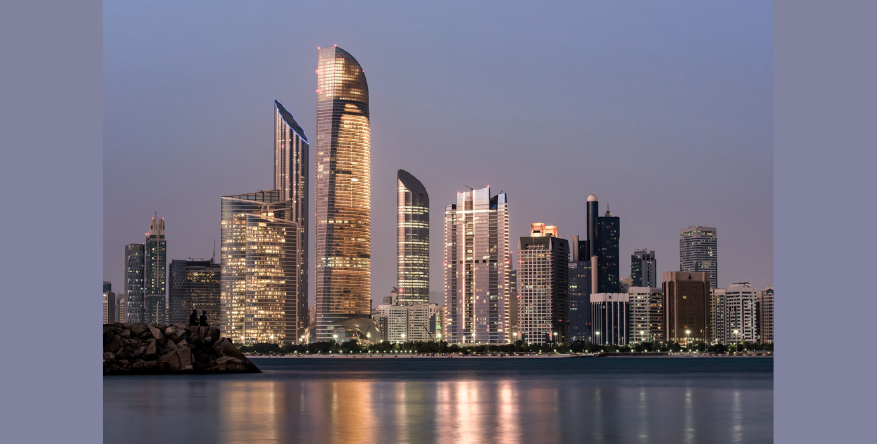
Abu Dhabi has spent the better part of two decades building the infrastructure to compete as a global meetings and events destination. The Abu Dhabi National Exhibition Centre, one of the largest exhibition venues in the world, hosts over 130 events annually and draws delegates from across the GCC, Europe, and Asia. The Abu Dhabi Convention Bureau operates a dedicated business events division with incentives for international organisers. The city has, by most measurable standards, arrived as a serious MICE destination.
What is less documented is what happens once the conference doors close.
For event planners and incentive travel buyers, the question of what a destination offers beyond the venue has become increasingly important. Delegates who fly from London, Singapore, or New York to attend a conference in Abu Dhabi are not simply looking for a meeting room. They are making a calculation about whether the destination justifies the journey. Abu Dhabi, it turns out, makes a strong case.
The Incentive Travel Argument
Incentive travel within Abu Dhabi has historically been underpromoted relative to what the emirate can actually deliver. While Dubai has built a global reputation as a corporate hospitality destination, Abu Dhabi has the quieter advantage of genuine cultural depth combined with world-class infrastructure.
The Sheikh Zayed Grand Mosque, one of the most visited buildings in the world, opens for guided group visits and can accommodate private evening access for incentive groups through licensed operators. Qasr Al Watan, the Presidential Palace, runs a structured visitor programme that translates well into executive incentive itineraries. Saadiyat Island, which houses the Louvre Abu Dhabi alongside the developing Guggenheim and Zayed National Museum sites, gives Abu Dhabi a cultural district argument that few cities in the region can match.
Then there is the desert. The Rub al Khali, the Empty Quarter, forms the southern boundary of the emirate and offers a landscape unlike anything available within a two-hour radius of most global conference hubs. Private desert experiences, traditional Bedouin hospitality, and falconry demonstrations give Abu Dhabi an incentive travel dimension that the convention centre alone cannot communicate.
What Event Planners Are Booking
The pattern emerging among international event planners who have run programmes in Abu Dhabi is a consistent preference for privately arranged experiences over large-group packages. Groups of 10 to 50 delegates, which represent the core of most incentive travel programmes, respond better to curated itineraries than to standardised tours. The distinction between a private cultural experience and a group coach tour is the difference between an incentive that delegates talk about and one they forget by the time they clear customs.
For the on-ground experience component of Abu Dhabi MICE programmes, planners are increasingly working with locally licensed operators rather than routing through Dubai-based intermediaries. Abu Dhabi tours and experiences arranged through operators based in the emirate tend to offer greater flexibility on group size, departure timing, and itinerary customisation, which are the three variables that matter most when integrating cultural programming into a tight conference schedule.
Private city tours that combine the Grand Mosque, Qasr Al Watan, and the Louvre within a structured half-day sit well within the post-conference afternoon slot. Desert experiences work as a full-day pre-conference opener, particularly for groups arriving a day before the main event. Both formats require an operator with a physical presence in Abu Dhabi and the fleet capacity to move a group without subcontracting, which narrows the field considerably.
The Infrastructure Case
Abu Dhabi has invested in the physical infrastructure to support large-scale events in a way that smaller Gulf competitors have not. The ADNEC campus now connects to Khalifa City, with a hotel inventory across both business and luxury segments within a short radius of the main venue. Etihad Airways operates direct routes from 90 international destinations to Abu Dhabi International Airport, which has completed its capacity expansion and now processes arriving delegates considerably faster than it did three years ago.
The government has also formalised its support for international events through Abu Dhabi Conventions and Exhibition Bureau, which provides financial support for qualifying events and dedicated concierge services for large-scale international congresses.
Blog received via e-mail