
The fashion industry has long depended on compelling visuals to sell clothes. For decades, this meant booking models, renting studios, hiring photographers, and spending thousands of dollars per campaign. Today, that model is changing rapidly. AI virtual mannequins offer fashion brands, independent designers, and e-commerce sellers a smarter, faster, and much more affordable way to showcase products.
An AI virtual mannequin uses artificial intelligence to drape clothing onto a realistic digital figure, creating professional-quality images without a physical photoshoot. The results look natural, the process takes minutes instead of days, and costs are a fraction of traditional methods. Whether you run a small Shopify boutique or a growing label, this technology is transforming online product presentation.
What Is an AI Virtual Mannequin?
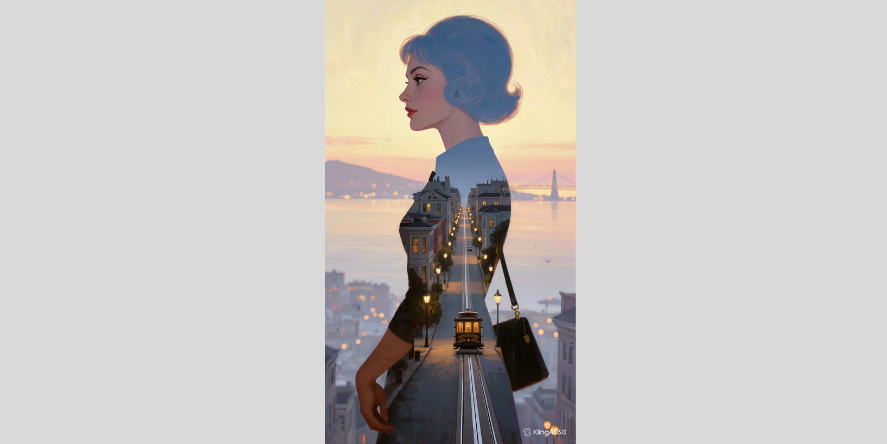
An AI virtual mannequin is a digitally generated model that realistically wears and displays garments. Unlike static ghost mannequins or flat-lay photos, it adds shape, dimension, and lifelike movement to clothing. Powered by deep learning models trained on thousands of human body images and fabric textures, the AI understands how materials drape, stretch, and fit across various body types.
The biggest advantage is adaptability. Physical mannequins are fixed in size and pose, but AI versions can be customized for different body shapes, skin tones, heights, and poses without any physical setup.
How the Technology Works
The core process is called virtual try-on. You upload a flat-lay or product photo of the garment, and the AI maps it onto a digital human figure. It analyzes fabric texture, color, and structure, then renders the clothing naturally and proportionally. Advanced systems handle complex items like layered outfits, structured jackets, and flowing dresses with high accuracy.
Why Fashion Brands Are Switching
The move to AI virtual mannequins is driven by clear business benefits. Traditional photoshoots involve high overhead: studio rentals, model fees, stylists, and post-production. For small and mid-sized brands producing dozens or hundreds of SKUs per season, these costs create real barriers to growth.
AI eliminates most of this expense. Once set up, you can generate consistent, professional images at scale without scheduling issues, weather problems, or team coordination. Speed is a major advantage—what once took days now takes hours. Brands can respond quickly to trends and launch new products faster.
Cost and Time Savings
A traditional photoshoot can cost hundreds to thousands of dollars. AI tools typically use subscription or per-image pricing that is far more affordable. Beyond direct savings, the dramatic reduction in time accelerates time-to-market—critical in an industry where trends change rapidly. Brands that go from design to live listings in days rather than weeks gain a significant competitive edge.
Consistency Across Product Listings
AI also ensures visual consistency. Traditional shoots with different models, lighting, and photographers often produce varying results, making catalogs look unprofessional. AI-generated images maintain a uniform style across all products, strengthening brand identity and building customer trust. Shoppers are more likely to stay engaged and make purchases when browsing polished, cohesive listings.
How to Use an AI Virtual Mannequin
The workflow has three main steps:
- Prepare Garment Images: Photograph items on a clean, neutral background (white or light gray). Ensure clothing is wrinkle-free, well-lit with diffused light, and captured in high resolution. For patterns or details like embroidery, include close-up shots.
- Customize the Virtual Model: Choose or adjust model parameters—body type, skin tone, pose—to match your brand aesthetic. Tools like Kling AI allow flexible customization to better represent your target customers.
- Generate Output: The AI produces the final image in seconds to minutes, depending on complexity.
Common Use Cases
AI virtual mannequins are widely used for e-commerce product listings, replacing or supplementing traditional photography. Designers use them to visualize garments during the creation phase, reducing the need for physical samples. Wholesale platforms present large catalogs efficiently, while social media teams maintain consistent content calendars. Fashion schools even incorporate the tools to help students understand fit and proportion.
The shared benefit is efficiency: AI removes friction between garment and compelling visual, driving better sales and engagement.
The Future of Fashion Visualization
AI virtual mannequins mark a fundamental shift in product presentation. Lower costs, faster turnaround, and greater flexibility make the technology valuable for brands of all sizes. As AI improves, the quality gap with traditional photography continues to close. If you’re still relying on expensive photoshoots or inconsistent imagery, now is the time to explore AI tools. The barrier to entry is low, results are immediate, and the advantage of scalable, cost-effective visuals is substantial. Early adopters will strengthen their competitive position without inflating production budgets—an edge that grows over time.
Blog received via email