

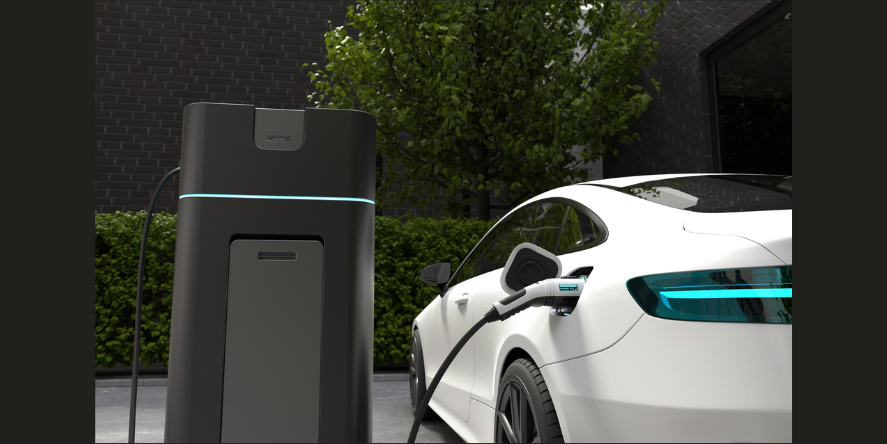
The UK electric vehicle market looks very different today. Drivers wanting to move away from petrol models face a wide range of choices across both new and used sectors. Eco-conscious commuters prioritise long-term fuel savings over upfront premium costs, and many are asking whether the practical pieces have finally fallen into place.
Making the switch requires a clear look at charging networks, battery lifespan, and local driving rules. It is worth examining the hard data rather than relying on old marketing promises. Here’s how the current infrastructure and vehicle choices stack up for your daily commute.
How to Budget for the Upfront Purchase Price
Electric cars often carry a higher price tag on the showroom floor than their petrol equivalents. This initial cost difference can make buyers hesitate, even when they know the running costs are lower. Because of this, modern buyers tend to focus heavily on monthly finance options rather than total list prices.
Check What You Can Afford Before You Visit a Dealer
Most buyers today finance an electric car instead of paying the full amount upfront. Monthly payments vary a lot depending on the deposit, term length and your credit profile, so it’s worth getting a clear picture of what you’d be approved for before you start browsing.
Securing financing before you look at vehicles makes the whole process much simpler. Using an online PCP finance eligibility checker helps buyers see whether a modern electric model fits their monthly budget before visiting a showroom, without affecting their credit rating.
A clear monthly budget also makes comparing the total cost of ownership far easier. Balancing finance payments against weekly fuel savings will give you a clearer picture of what your transport is actually costing you.
The Reality of Battery Degradation
A major concern for potential buyers involves long-term battery health. Many fear needing an expensive replacement after just a few years. Fortunately, real-world data from large-scale studies paints a far more reassuring picture than early critics predicted.
Real-world studies tracking tens of thousands of electric vehicles consistently show that most modern batteries retain more than 90% of their original capacity after 100,000 miles. The majority of any degradation happens gradually in the first couple of years, after which the rate of decline slows considerably. Most manufacturers back this up with an eight-year or 100,000-mile battery warranty, typically guaranteeing at least 70% capacity over that period.
Rather than worrying about sudden battery failure, buyers are better served by thinking about daily habits. Regular use of rapid chargers can accelerate wear slightly, while overnight home charging keeps cell health at its best. It is a question of routine rather than a built-in product flaw.
Rapid Expansion of Motorway Charging Networks
Long-distance driving used to cause genuine anxiety for electric car owners due to unreliable public charge points. That picture has changed significantly. According to Zap-Map data, there were more than 118,000 public EV chargers across the UK as of early 2026, spread across over 45,000 locations.
The fastest of these are ultra-rapid units, which deliver between 150kW and 350kW of power. At that level, most vehicles can reach 80% charge in around 30 minutes, with cars capable of higher charge acceptance rates completing a meaningful top-up in less time. Major motorway service stations now routinely host multiple charging brands, which improves reliability and gives drivers a fallback if one unit is in use or out of service.
When planning a long journey, it is worth checking a few things before setting off: the location of ultra-rapid hubs along your exact route, the current operational status of the plugs via a live map, the payment methods accepted by each network, and whether there are food and toilet facilities nearby while the car charges.
Clean Air Zones and Commuter Savings
Driving a petrol or diesel car into city centres is becoming increasingly expensive across the UK. Local councils continue to expand clean air zones to combat urban pollution. These zones charge daily fees to vehicles that fail to meet strict emissions standards, which directly affects the cost of a regular commute.
London’s Ultra Low Emission Zone (ULEZ) and the clean air zones operating in cities such as Birmingham and Bristol charge non-compliant petrol and diesel vehicles a daily fee to enter. Fully electric vehicles remain exempt from ULEZ charges and all UK clean air zone charges. It is worth noting, however, that London’s Congestion Charge exemption for electric vehicles ended in December 2025.
Since January 2026, EV drivers entering the central Congestion Charge zone pay a reduced daily rate of GBP 13.50 rather than the standard GBP 18 charge that applies to petrol and diesel cars. This reduced rate applies to electric vehicles registered for TfL’s Auto Pay system. Without Auto Pay registration, the full GBP 18 charge applies. Outside that small central zone, which covers only a fraction of Greater London, EVs continue to benefit fully from ULEZ exemption across all 33 boroughs.
The broader trend across UK cities continues to lean towards penalising exhaust emissions. Choosing an electric model provides meaningful insulation from future policy changes and expanding zone boundaries.
So, Should You Make the Switch?
The decision to switch to an electric vehicle in 2026 depends on your driving patterns and budget. The rapid growth of motorway charging infrastructure and well-evidenced battery durability remove the biggest practical hurdles.
While the upfront purchase price remains higher than comparable petrol models, the combination of lower running costs, fuel savings, and clean air zone exemptions builds a compelling financial case for many UK drivers.
Blog received via E-mail