
The global conversation around climate change has shifted noticeably in the recent years. Once dominated by long- term warnings and policy commitments are now increasingly shaped by implementation, investment, and innovation. At the heart of this shift is climate technology – a rapid-evolving ecosystem of solutions that is quietly reshaping how economies produce energy, move goods, build infrastructure, and manage resources.
Rather than functioning as a single industry, climate technology has become an interconnected network of innovations spanning energy, agriculture, manufacturing, mobility and digital systems. Together, these technologies are forming the backbone of ‘Green transition’ – a structural transformation of the global economy toward lower emissions and greater efficiency.
From Climate Goals to Scalable Solutions
For much of the past two decades, the human population primarily framed climate action in terms of targets: reducing emissions, limiting temperature rise, and meeting international commitments. While these goals remain essential, the focus has gradually shifted toward practical solutions that can operate at scale.
Climate technology represents this shift in action. It is no longer limited to experimental projects or pilot programs. Instead, it is increasingly embedded in mainstream industrial systems. Companies are investing in cleaner processes not only to meet regulatory expectations but also to improve efficiency, reduce long-term costs, and strengthen resilience against energy and resource volatility.
This evolution signifies an important shift: sustainability is now integrated into the core business strategy rather than being treated as a separate agenda.
Energy Systems Under Transformation
One of the most visible areas of change is the global energy system. Solar and wind power have moved from alternative options to central pillars of electricity generation in many regions. Continuous improvements in efficiency and manufacturing have significantly reduced costs, making renewable energy competitive with conventional fossil-based sources.
However, the real transformation goes beyond generation. The modern energy transition depends heavily on system integration. Smart grids, digital monitoring tools, and predictive analytics are enabling power networks to balance fluctuating supply and demand more effectively than ever before.
At the same time, decentralized energy models are gaining popularity. The expansion of rooftop solar installations, microgrids, and distributed energy resources is providing businesses and communities with increased control over electricity generation and consumption, contributing to the ongoing transformation of traditional utility systems.
Energy Storage as the Missing Link
Despite rapid growth in renewable energy, one fundamental challenge remains: consistency. Solar and wind power are inherently variable, which makes storage a critical component of the clean energy ecosystem.
Advances in battery technology have accelerated this transition. Energy storage systems are becoming more affordable, more durable, and more efficient, allowing excess energy to be stored and deployed when needed. This has significantly improved the reliability of renewable-powered grids.
Beyond lithium-ion batteries, research is expanding into alternative storage methods such as hydrogen systems, thermal storage, and next-generation chemical solutions. These innovations are expected to play a major role in supporting large-scale renewable integration in the coming decades.
In many ways, energy storage is emerging as the quiet enabler of the entire green transition.
Transportation and the Shift to Low-Carbon Mobility
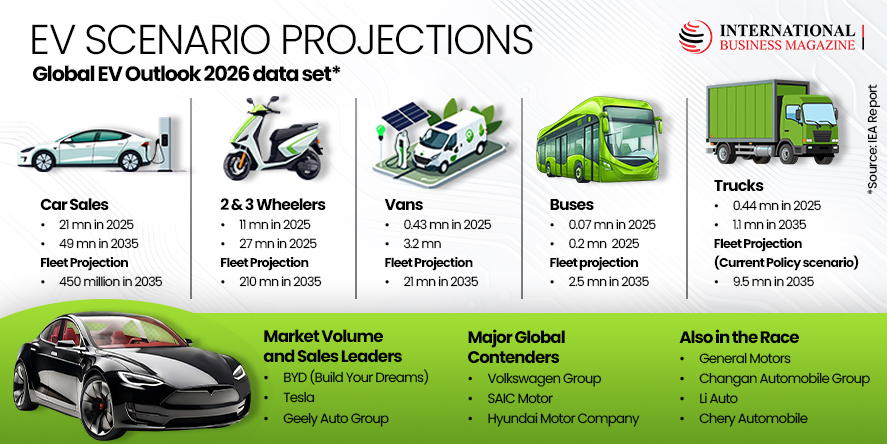
Transportation remains one of the largest contributors to global emissions, making it a key focus area for climate technology development. The rise of electric vehicles has already begun to reshape the automotive industry, supported by improvements in battery performance and expanding charging infrastructure.
Yet the transition extends far beyond private vehicles. Public transportation systems are increasingly adopting electric and hybrid models, while logistics companies are rethinking supply chains to reduce fuel consumption and improve route efficiency through digital optimization tools.
At the same time, aviation and shipping – two of the most difficult sectors to decarbonize – are beginning to explore alternative fuels, including sustainable aviation fuel and hydrogen-based propulsion concepts. While still in early stages, these developments signal a broader shift toward systemic change in global mobility.
Industrial Decarbonization and the Hard-to-Abate Sectors
While progress in energy and transport is accelerating, heavy industry presents a more complex challenge. Sectors such as steel, cement, chemicals, and manufacturing require high-temperature processes and energy-intensive operations that are difficult to decarbonise using existing technologies.
To meet this challenge, climate technology is advancing process innovation in parallel with the shift toward cleaner energy alternatives. Carbon capture and storage systems are being developed to prevent emissions from entering the atmosphere, while circular economy approaches aim to reduce waste and reuse materials more effectively.
In parallel, material science innovations are enabling the development of low-carbon alternatives in construction and manufacturing. These shifts are gradually redefining how industrial value chains operate.
The Role of Digital Intelligence in Sustainability
One of the less prominent but increasingly important drivers of climate technology is digital innovation. Artificial intelligence, cloud computing, and sensor-based systems are helping organizations measure and manage environmental impact with greater precision.
Smart buildings now adjust energy consumption automatically based on occupancy and demand. Agricultural systems use data analytics to optimize water and fertilizer usage. Industrial facilities deploy predictive maintenance tools to reduce energy waste and improve operational efficiency.
By embedding digital intelligence into physical systems, organizations are advancing “precision sustainability,” enabling real-time optimization of environmental performance.
A New Investment and Innovation Landscape
The rise of climate technology is also reshaping global investment patterns. Capital is increasingly flowing toward companies that can demonstrate measurable environmental impact alongside financial returns.
Governments are supporting this transition through policy frameworks, incentives, and infrastructure investments, while private investors are viewing climate-focused innovation as a long-term growth opportunity rather than a niche segment.
Start-ups and established corporations alike are now competing in a rapidly expanding market where sustainability and profitability are becoming closely linked.
Looking Ahead
The climate transition is no longer a distant objective; it is an ongoing structural transformation of the global economy. While challenges remain – particularly around scale, infrastructure, and policy alignment – the direction of change is increasingly clear.
Climate technology is not just supporting this transition; it is actively shaping it. By bridging environmental goals with industrial innovation, it is creating new models of growth that are more efficient, more resilient, and increasingly sustainable.
As this evolution continues, the companies and economies that adapt early are likely to define the next phase of global competitiveness. In this sense, climate technology is not simply responding to climate change – it is becoming one of the defining forces of modern economic development.
Article by M S Charan
Are you interested in climate technology? Then you can view Press Releases regarding companies in the previous years with these web pages –
CCUS: How climate change is powering a new global carbon economy?
Leos Developments Launches Knightsbridge: Inaugral Climate Adaptive Wellness Community
Tech Mahindra Unveils Altavec, a Next-Generation Spatial Technology Platform