
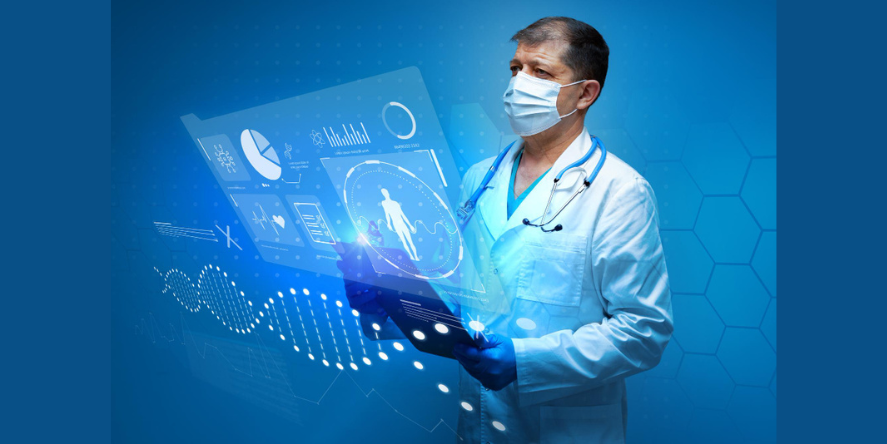
Few fields have been shaped by technological innovation as profoundly as medicine. Over the past several decades, advances in technology have changed not only how diseases are diagnosed and treated but also how healthcare is delivered, managed, and experienced. What was once considered groundbreaking can quickly become routine as new tools, systems, and digital solutions continue to emerge.
Nearly every aspect of modern healthcare today incorporates technology. From sophisticated imaging systems and robot-assisted procedures to remote consultations and digital health records, innovation is helping medical professionals make faster decisions, improve patient outcomes, and extend quality care to more people than ever before. While medicine has always been rooted in human expertise and compassion, technology has become an essential partner in the pursuit of better health and longer lives.
A New Era of Medical Care
Medicine has continually evolved alongside scientific and technological progress. However, the pace of change witnessed recently has been particularly remarkable. Healthcare providers in recent times have access to tools capable of detecting illnesses beforehand, enabling monitoring of patients more accurately, and delivering treatments with greater precision.
These advancements have fundamentally altered the healthcare landscape. Scenarios that once required lengthy hospital stays can now be managed through minimally invasive procedures, while digital systems allow physicians to access critical patient information within seconds. As a result, healthcare has become increasingly efficient, responsive and patient-centred.
Technology is no longer simply supporting medical practice – It is actively redefining what modern healthcare can achieve.
Improving Diagnosis Through Innovation
One of the most significant contributions of technology to medicine has been the improvement of diagnostic capabilities. Early and accurate diagnosis often plays a decisive role in successful treatment, and modern technologies have greatly enhanced physicians’ ability to identify health conditions before they become severe.
Advanced imaging systems provide detailed and clear cut views of internal organs, tissues, and structures, helping medical professionals detect abnormalities with greater confidence and precision. Digital diagnostic tools can process vast amounts of information quickly, reducing the time required to evaluate symptoms and reach conclusions.
The growing use of data-driven healthcare is also enabling more informed decision-making. By analysing patterns across large patient populations, healthcare providers can gain more profound insights into diseases and identify risk factors that might otherwise go unnoticed. Such capabilities are helping shift medicine from reactive treatment toward proactive prevention.
Enhancing Treatment and Patient Outcomes
Technology has also transformed the way treatments are delivered. Modern surgical techniques, for example, have become increasingly precise, allowing procedures to be performed with smaller incisions, reduced complications, and shorter recovery periods.
The development of advanced medical devices has improved the management of chronic conditions, enabling patients to maintain greater independence and quality of life. Meanwhile, sophisticated monitoring systems provide healthcare professionals with real-time information, allowing them to respond quickly when a patient’s condition changes.
Personalized medicine represents another important development. By considering individual characteristics and specific health profiles, medical professionals can increasingly tailor treatments to meet the unique needs of each patient. This approach has the potential to improve effectiveness while reducing unnecessary interventions.
Expanding Access Through Digital Healthcare
Perhaps one of the most visible impacts of technology has been its ability to expand access to medical services. Geographic distance, limited healthcare infrastructure, and shortages of medical professionals have long created barriers in healthcare in many parts of the world.
Digital healthcare solutions are helping address these challenges. Virtual consultations allow patients to connect with healthcare providers without traveling long distances, making medical advice more convenient and accessible. Electronic health records enable information to be shared more efficiently among healthcare teams, supporting better continuity of care.
Remote monitoring technologies have further strengthened patient care by allowing healthcare professionals to track health indicators outside traditional clinical settings. This capability is particularly valuable for individuals managing chronic conditions, as it enables ongoing oversight without frequent hospital visits.
By bringing healthcare closer to patients, technology is helping create a more connected and inclusive healthcare ecosystem.
The Rise of Data-Driven Healthcare
Healthcare generates enormous volumes of information every day. Advances in digital technologies have made it possible to collect, organize, and analyse this data in ways that were previously unimaginable.
Data-driven healthcare is improving decision-making at both individual and organizational levels. Healthcare providers can use information to identify trends, evaluate treatment effectiveness, and allocate resources more efficiently. Hospitals and healthcare systems can gain valuable insights into operational performance, helping them improve service delivery and patient experiences.
For patients, the benefits often translate into faster diagnoses, more personalized care plans, and better long-term health management. As healthcare data becomes increasingly integrated and accessible, its role in supporting informed medical decisions is likely to continue growing.
Challenges in a Rapidly Evolving Landscape
Despite its many advantages, the integration of technology into medicine also presents important challenges. Protecting patient privacy and ensuring the security of sensitive health information remain critical concerns. As healthcare systems become more digital, safeguarding data against misuse and cyber threats becomes increasingly important.
There are also questions surrounding accessibility and equity. While technological advancements can improve healthcare delivery, not all communities have equal access to digital infrastructure or advanced medical resources. Bridging these gaps will be essential to ensuring that the benefits of innovation are shared broadly.
In addition, technology should complement and not replace the human aspects of healthcare. Trust, empathy, communication, and clinical judgment remain central to effective medical care. Maintaining the right balance between technological efficiency and human connection will continue to be a defining challenge for the healthcare sector.
Looking Ahead: The Future of Medicine
The relationship between medicine and technology is expected to deepen in the years ahead. Emerging innovations are likely to further enhance diagnosis, treatment, patient monitoring, and healthcare management. Healthcare systems around the world are increasingly investing in digital transformation initiatives designed to improve efficiency while delivering higher standards of care.
As these technologies mature, the focus will increasingly shift toward creating healthcare experiences that are not only more advanced but also more accessible, personalized, and preventive. The goal is not merely to treat illness but to support healthier lives through earlier intervention and more informed decision-making.
Conclusion: Innovation with a Human Purpose
Technology has become one of the most powerful forces shaping modern medicine. Its influence can be seen in every stage of the healthcare journey, from diagnosis and treatment to long-term care and monitoring. By improving accuracy, expanding access, and enabling more effective medical interventions, technological innovation is helping healthcare providers deliver better outcomes for patients around the world.
Yet the true value of technology in medicine lies not in the machines themselves but in their ability to support a fundamentally human mission: preserving health, alleviating suffering, and saving lives. As healthcare continues to evolve, the most successful innovations will be those that combine technological excellence with compassionate care, ensuring that progress serves people first.
Article by M S Charan
For more information on news and blogs regarding specially disabled, please visit these web pages:
Tech for Differently Abled: How Innovation Empowers lives
Social value and sustainable procurement policies a statement by eCom Learning Solutions
Intuitive support ecosystem for women in modern corporate culture