

What we are witnessing today under the umbrella of Saudi Vision 2030 is far more than conventional development or routine service improvement. It is a comprehensive re-engineering of the concept of public administration and a transformative revolution led by our wise leadership to enhance the quality of life. At the heart of this nationwide transformation stands the healthcare sector—one of the most vital pillars that directly impacts the daily lives of targeted Health Clusters have begun sending transition requests to the second group of employees across seven key regions: Al-Ahsa, Taif, Najran, Hail, Tab; it signals the beginning of a new era of institutional maturity that clearly separates the Ministry of Health’s legislative and regulatory responsibilities from the operational functions that will be undertaken by the Health Clusters. These clusters are designed to operate with the flexibility and efficiency commonly associated with the private citizens and residents alike.
Any careful observer of Saudi Arabia’s healthcare landscape recognizes that the transition from the traditional operational model to the Health Clusters model is not merely an option but a strategic necessity driven by contemporary challenges and future aspirations. Within this strategic framework, the Ministry of Health recently announced that the targeted Health Clusters have begun sending transition requests to the second group of employees across seven key regions: Al-Ahsa, Taif, Najran, Hail, Tabuk, the Northern Borders, and Hafr Al-Batin.
This announcement is far more than an administrative update; it signals the beginning of a new era of institutional maturity that clearly separates the Ministry of Health’s legislative and regulatory responsibilities from the operational functions that will be undertaken by the Health Clusters. These clusters are designed to operate with the flexibility and efficiency commonly associated with the private sector while preserving the comprehensive, government-funded healthcare services that remain a defining feature of the Kingdom’s healthcare system.
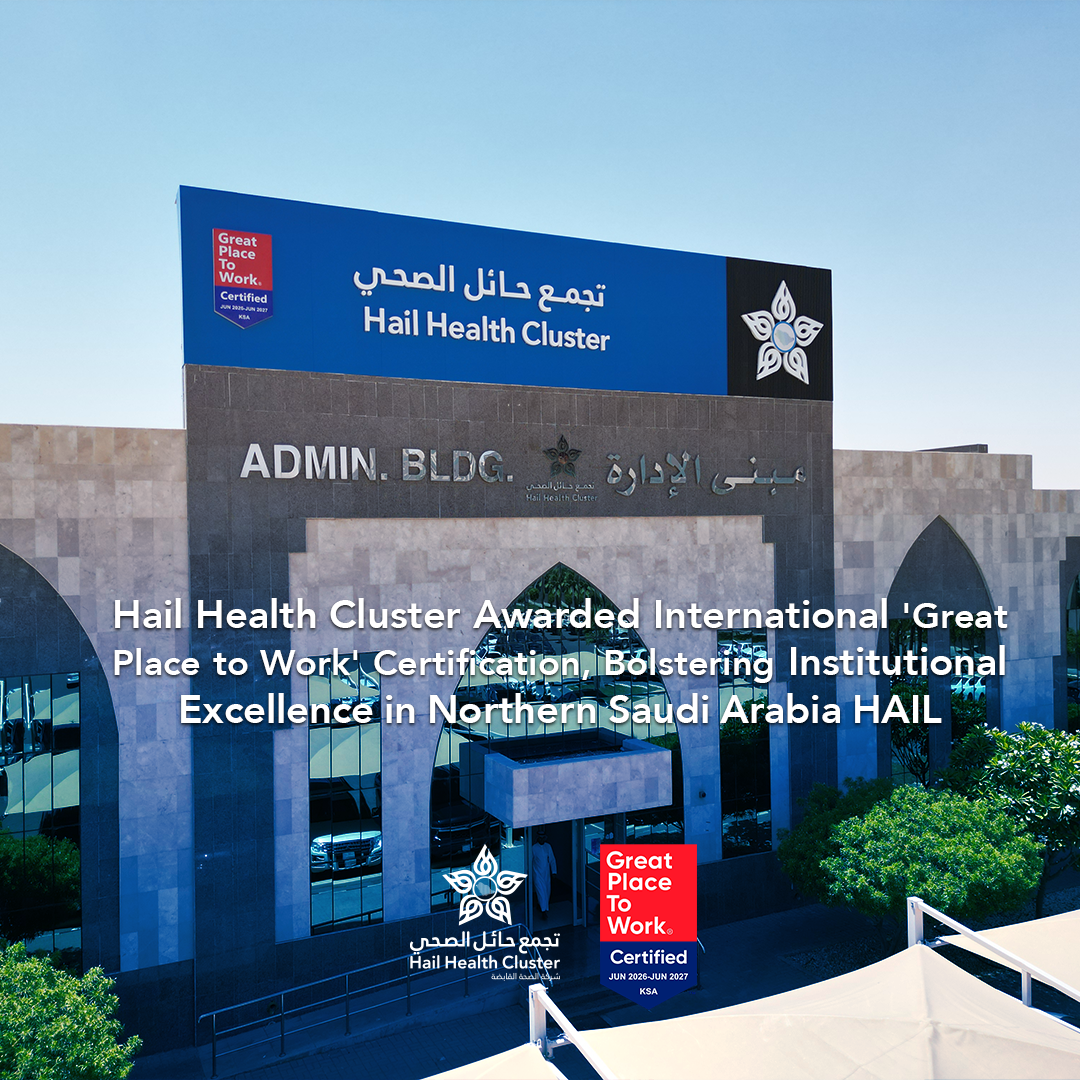
A closer examination of the remarks made by Engineer Hatem Al-Rashdan, Chief Executive Officer of the Hail Health Cluster, reveals a clear and forward-looking administrative vision that fully appreciates both the scale of responsibility and the objectives of the Health Sector Transformation Program. Engineer Al-Rashdan aptly described employee transition as “a fundamental pillar in achieving the objectives of Saudi Vision 2030,” emphasizing that the ultimate purpose of these structural reforms is to build an integrated healthcare system that meets the highest international quality standards while placing the beneficiary—whether a citizen or a resident—at the center of every decision and service.
The deeper philosophy behind this institutional transformation lies in fundamentally redefining the focus of healthcare delivery. In the past, the emphasis was largely placed on treating illness after it occurred. Today, under the leadership of the Health Clusters, the priority has shifted toward prevention before treatment. This paradigm shift is expected to reduce the overall burden of disease, improve access to healthcare services through a robust primary healthcare network, and ensure seamless integration with specialized hospitals. As a result, waiting times will be reduced, patient experiences will improve, and the quality of care will be enhanced across every stage of the healthcare journey.
No major institutional transformation can succeed without transparency and the active engagement of the workforce that drives its success. In this regard, the healthcare system’s approach to managing employee transitions has been both professional and reassuring.
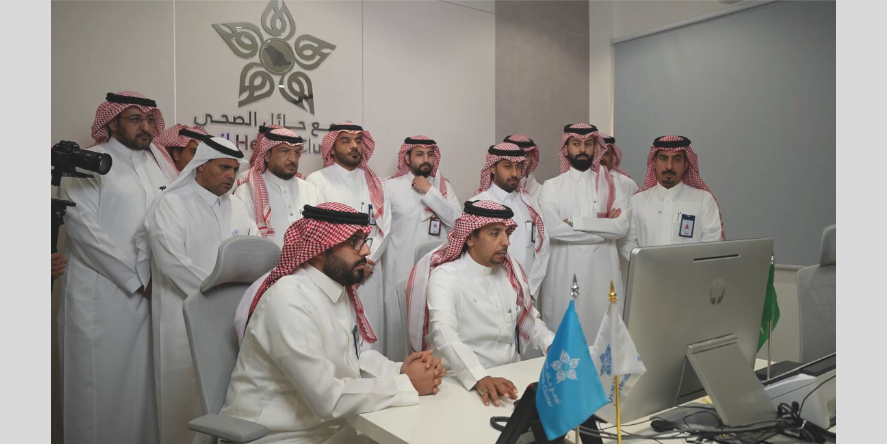
When discussing the implementation timeline and decision-making process, Engineer Al-Rashdan’s statements reflected a strong commitment to transparency and employee confidence. The Hail Health Cluster has already begun sending transition requests to the second group of employees, granting each eligible employee a full ten-day period to carefully review the offer and decide whether to accept or decline it. More importantly, the entire process is managed through officially approved electronic systems and digital platforms. This carefully designed digital approach not only ensures an organized and efficient transition but also reinforces the principles of transparency, fairness, and accountability while eliminating uncertainty and safeguarding employees’ rights and professional stability.
This brings us to one of the most frequently raised concerns whenever institutional transformation or privatization is discussed: What about employees’ rights?
Having closely followed the relevant regulations and governance framework, I can confidently state that Saudi Arabia’s leadership never embarks on a reform initiative without placing the interests of its people first. Engineer Al-Rashdan’s clarifications reaffirmed this long-standing principle by confirming that employees’ rights and employment benefits remain fully protected under Council of Ministers Resolution No. 616. This landmark resolution serves as a legal safeguard that guarantees the continuity of employment rights, benefits, and entitlements for all personnel throughout the transition process without reduction or compromise.
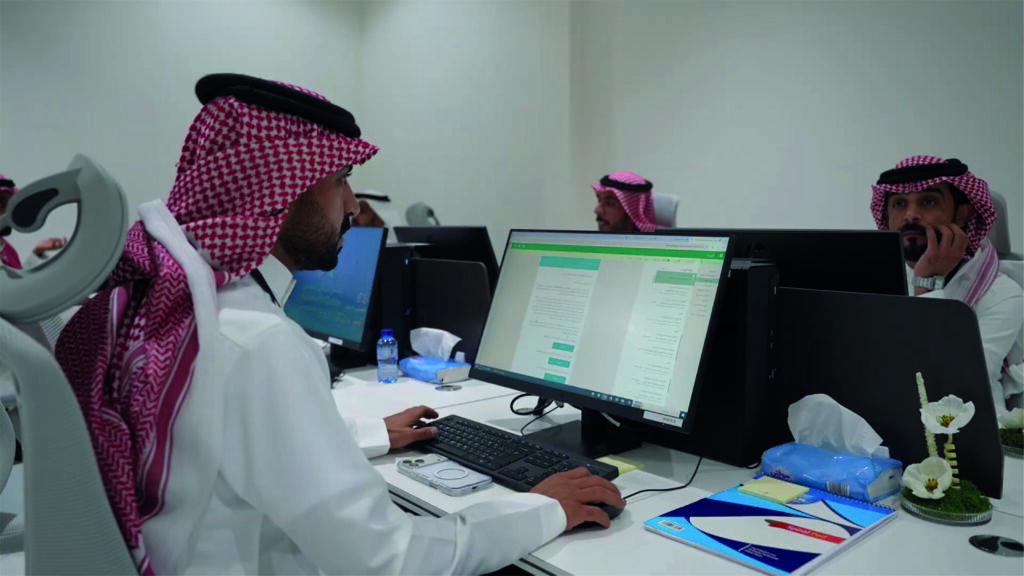
Rather than threatening employees’ professional stability, the transition of healthcare and administrative personnel into the Health Clusters represents a significant opportunity to modernize the work environment. Operating under a dynamic and contemporary management model, the Health Clusters will create broader opportunities for professional growth, strengthen a culture of performance evaluation, excellence, and merit-based recognition, and foster an attractive and motivating workplace that reflects the dedication and contributions of Saudi healthcare professionals.
To ensure that misinformation and unnecessary concerns had no opportunity to spread, the Hail Health Cluster—serving as an exemplary model among the participating clusters—demonstrated a highly professional approach to change management. Beyond simply issuing transition requests, the Cluster implemented an extensive communication strategy aimed at preparing employees well in advance. This included a series of workshops, interactive sessions, and informational meetings conducted both in person and virtually. These initiatives focused on explaining every aspect of the transition process, clarifying employees’ rights, and highlighting future opportunities for professional development.
The commitment to employee support extended even further through active listening to employees’ questions, identifying recurring inquiries, and compiling them into a comprehensive Frequently Asked Questions (FAQ) Guide. This guide serves as an authoritative reference that enables employees to obtain accurate and reliable information directly from official sources, thereby preventing misinformation and speculation.
In addition, seventeen specialized Employee Care Centers were established throughout the region to provide personalized assistance and answer employee inquiries. These centers are supported by a unified contact number, a dedicated WhatsApp communication channel, and an online ticketing platform for those wishing to schedule direct consultations. Together, these integrated communication channels reflect the maturity of the organization’s administrative approach and its genuine appreciation for employees as indispensable partners in the success of this transformation.
In conclusion, one cannot help but appreciate the inspiring message delivered by Engineer Al-Rashdan to his colleagues across the healthcare and administrative workforce. As he rightly emphasized, they are the cornerstone and true driving force behind the success of this institutional transformation.
No matter how sophisticated strategic plans become, or how advanced healthcare infrastructure and medical technologies may be, it is ultimately the Kingdom’s national workforce that remains the beating heart of the healthcare system. Through the dedication, expertise, and unwavering commitment of these professionals, the ongoing development of Saudi Arabia’s healthcare services will continue to improve the well-being of citizens and residents across every city, town, and village throughout the Kingdom.
Today, Saudi Arabia is writing a new chapter in its nation-building journey. The success of this transformation begins and ends with the distinguished national talents upon whom so much depends. As media professionals and citizens, we have every confidence that the sons and daughters of this nation will continue to fulfill their humanitarian and professional mission with excellence and distinction, positioning Saudi Arabia’s healthcare sector as a global benchmark while advancing the vision of the Kingdom’s leadership to place Saudi Arabia among the world’s leading nations in healthcare and sustainable development.
Article received via email