

Financial literacy was once largely associated with balancing a checkbook, understanding a credit card statement, and maintaining a household budget. However, the digital economy has expanded that definition.
These days, people make payments through smartphones, open bank accounts without visiting a branch, purchase investments through mobile platforms, borrow through checkout screens, and encounter financial products directly in apps and online marketplaces. Convenience has increased dramatically, but so has the complexity of everyday financial decision-making. Let’s explore why financial literacy is still essential in the digital economy.
Digital Banking and Change
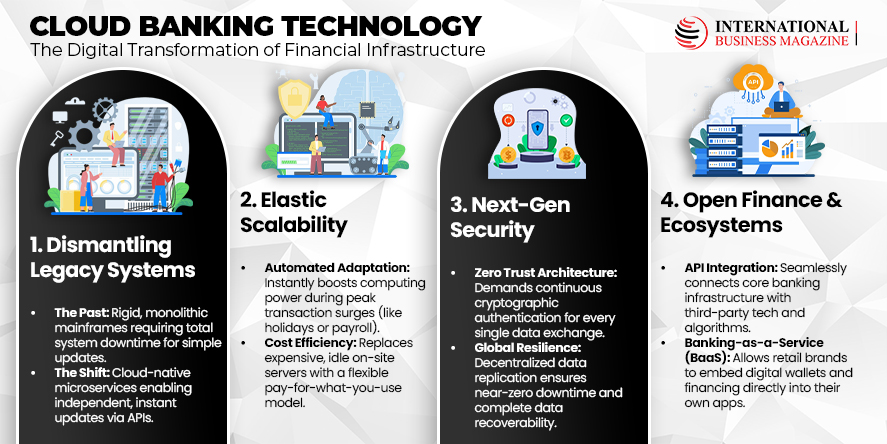
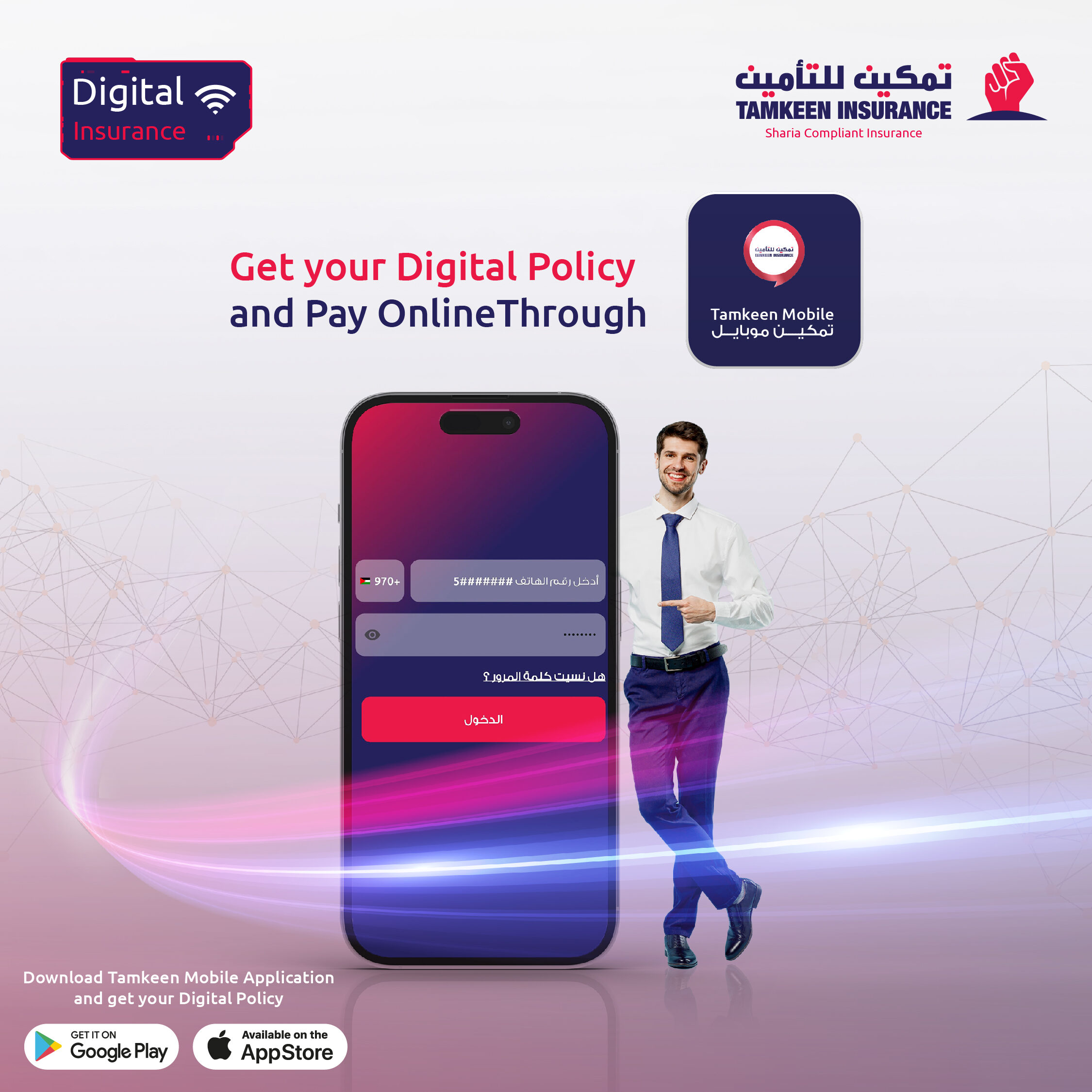
Digital banking has moved routine financial activity from bank branches to smartphones and computers. Consumers can open accounts, transfer funds, deposit checks, monitor transactions, pay bills, and apply for credit without interacting with a traditional teller. That accessibility is particularly valuable for consumers who want real-time visibility into their finances.
However, convenience can create a false sense of simplicity. Financial literacy in a digital environment means knowing how to examine fees, interest rates, account requirements, transaction limits, overdraft policies, privacy provisions, and dispute procedures.
Digital Wallets Require More Than Smartphones
Digital wallets have transformed how people use goods and services. They can store payment credentials, support contactless transactions, facilitate online purchases, and reduce reliance on physical cards. For businesses and consumers, technology is a significant evolution in payment infrastructure.
Yet financial literacy must extend to understanding the security architecture behind these transactions. Consumers should know how authentication works, recognize fraudulent payment requests, use strong account credentials, and understand what happens when a device is lost or an account is compromised.
Online Investment Makes Financial Knowledge More Urgent
Investment platforms have dramatically lowered barriers to market entry. An individual can research securities, transfer funds, monitor a portfolio, and place trades from a mobile device. That accessibility can broaden participation in investing, but can also blur the distinction between investing and speculation. Financially literate investors understand convenience does not reduce investment risk. Individuals must still consider the following:
- Diversification
- Time horizon
- Fees
- Liquidity
- Volatility
- Tax implications
- The difference between an investment’s potential return and its underlying risk
Financial Data Is Now an Economic Asset
In the digital economy, financial information is valuable far beyond the bank statement. Payment histories, purchasing behaviour, location data, account activity, and interactions with financial applications can contribute to highly detailed consumer profiles.
That reality makes privacy literacy an increasingly important component of financial literacy. Consumers should understand what information an application collects, why it is collected, how long it may be retained, and whether it can be shared with other parties.
Financial Literacy is Now a Form of Consumer Protection
The most important shift is that financial literacy can no longer be treated simply as a personal-finance skill. It is increasingly a form of consumer protection. A financially informed consumer is more capable of comparing financial products, identifying misleading claims, recognizing suspicious transactions, questioning unexplained charges, and documenting problems when they occur.
Independent information can also help consumers understand their options when they encounter disputes or concerns involving a business. For readers seeking additional resources on corporate accountability and consumer awareness, https://companiesbehavingbadly.com/about/ provides another avenue for understanding.
Endnote
The digital economy has transferred financial participation from an occasional activity into a continuous experience. Banking, payments, investing, borrowing, and financial information now converge inside devices that people carry throughout the day. This transformation creates enormous opportunities and also places greater responsibility on consumers to understand the systems they use.
Blog received via E-mail