
The realm of interior design encompasses a vast array of projects, each with its own unique characteristics and requirements. While at first glance, the fundamentals of design may appear similar, there are profound differences between residential and commercial projects. Designers and studios such as Katblack demonstrate how a strong portfolio often spans both worlds, yet the approach to each requires an entirely different mindset and skillset. Understanding how these two diverge in scope is essential for tailored design solutions. In particular, residential and commercial interior design projects differ significantly due to their distinct objectives and end goals.
Purpose and Functionality
The primary distinction in the scope of residential and commercial interior design projects lies in their purpose and functionality. Residential interiors focus on creating a personal sanctuary for individuals and families. The designs are tailored to personal tastes and lifestyle requirements, prioritising comfort, aesthetics, and functionality within a living space. A home’s design often revolves around private enjoyment, relaxation, and personal expression.
In contrast, commercial interior design projects are driven by the need to fulfil a business’s operational and branding objectives. These spaces must cater to workforce productivity, customer engagement, and brand identity. As such, the design must consider high traffic areas, compliance with industry regulations, and the capacity to offer a consistent brand experience.
Design Duration and Scheduling
Residential projects typically allow for a flexible timeline that can adapt to the homeowner’s schedule and budget. Interior designers working on residential projects might enjoy a more relaxed pace, where decisions can be made with significant input from the clients themselves. Projects can take from a few months to several years, depending on the specific requirements.
Conversely, commercial design projects often operate on strict deadlines due to business considerations, such as launch dates or lease expiry. Timely completion is critical to prevent revenue loss and ensure uninterrupted business operations. Commercial projects are generally large-scale and may require coordination between various stakeholders, including architects, project managers, and contractors, necessitating precise scheduling and efficient project management.
Budget Constraints and Considerations
Another significant difference is in budget allocation. Residential projects vary widely in budget based on size, location, and complexity. While individuals may choose to splurge on certain high-demand areas such as kitchens or bathrooms, other parts of the home may have more modest allocations.
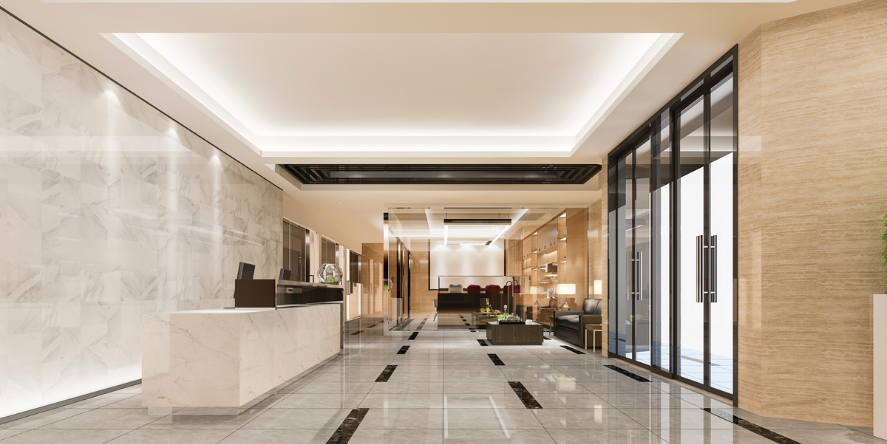
In commercial design, budget considerations are often dictated by potential ROI, operational efficiency, and brand positioning. Commercial clients may aim for cost-effectiveness by investing in durable materials that withstand high usage, improving operational efficiency and ensuring an appealing aesthetic match to the business’s brand identity. The allocation within the budget often prioritises customer-facing areas, such as reception and meeting spaces.
Personal Customisation versus Standardisation
Residential interior design thrives on personalisation and the homeowner’s unique taste and preferences. Each project reflects the resident’s personality, with bespoke solutions ranging from custom furniture to intuitive space planning.
Conversely, commercial projects frequently require a degree of standardisation to align with the brand’s identity. The interior design must ensure consistent messaging across all locations of a business. While certain elements can be customised for local flavour, core aspects like colour scheme, logo placement, and layout often adhere to strict brand guidelines.
User Interaction and Experience
Residential spaces are designed for personal and communal interactions specific to the homeowner’s needs, often focusing on family relations, social gatherings, and personal comfort. The interaction in these spaces is highly personal and designed to foster private, intimate experiences.
In a commercial setting, user interaction is sophisticated and multifaceted, often involving employees, clients, and visitors. The design must cater to varied interaction scenarios within the space, encompassing work, collaboration, customer interaction, or even shopping experiences. Thus, the scope includes not just aesthetics and comfort, but also productivity, accessibility, and environmental psychology.
Blog received via email