

The finance sector is experiencing one of the most significant periods of technological transformations in its history. Once characterized by paperwork, lengthy approval processes, and traditional service models, the industry is now being reshaped by digital innovation. New technologies are streamlining operations and reshaping interactions between businesses and financial service providers. From AI and blockchain to real-time payments and cybersecurity solutions, these advancements are creating a faster, smarter, and more accessible financial ecosystem.
Artificial Intelligence: Redefining Financial Decision-Making
Artificial intelligence has become a cornerstone of modern financial operations. Financial institutions increasingly rely on AI-powered systems to analyze vast amounts of data, automate repetitive tasks, and support strategic decision-making. AI can identify patterns, learn from historic information, and continuously improve its performance over time, unlike conventional software.
Fraud detection is one of the most notable applications of AI. Advanced algorithms can monitor transactions in real time and identify unusual activities before they develop into larger security threats. AI is also enhancing customer experiences through virtual assistants, personalized financial recommendations, and predictive insights that help users make informed financial decisions.
As financial data continues to grow in volume and complexity, AI is expected to play an even greater role in improving accuracy, efficiency, and customer engagement.
Machine Learning and Smarter Risk Assessment
Risk management has always been a critical component of finance, but traditional assessment methods often relied heavily on historical records and manual analysis. Machine learning is changing that approach by enabling systems to evaluate massive datasets from multiple sources simultaneously.
These modern and innovative technologies can identify hidden patterns, predict potential risks, and provide more accurate forecasts. In lending and investment environments, machine learning models help in improving decision-making by assessing factors that may not be visible through conventional methods. This results in better risk evaluation while reducing operational inefficiencies.
As predictive analytics become more sophisticated, organizations are gaining the ability to respond to financial challenges with greater speed and precision.
Blockchain and the Rise of Digital Assets
Blockchain technology has evolved far beyond its early association with digital currencies. At its core, blockchain functions as a decentralized digital leader that records transactions in a transparent and secure. The reason, records cannot be easily altered, the technology offers significant advantages especially in terms of traceability, trust and security.
One of the most promising developments linked to blockchain is asset tokenization. This process converts traditional financial assets into digital tokens that can be managed and exchanged electronically. By improving transaction efficiency and reducing administrative complexity, tokenization has the potential to make financial markets more accessible and liquid.
As digital infrastructures continue to mature, blockchain-based solutions are expected to play an increasingly important role in transaction processing and asset management.
The Demand for Real-Time Payments
Modern consumers and businesses expect financial transactions to occur instantly. Waiting several days for funds to be transferred is becoming increasingly incompatible with today’s digital economy. In response, real-time payment technologies are gaining widespread attention.
These systems enable near-instant transfers between parties, improving convenience and enhancing cash flow management. Faster settlement processes benefit both individuals and organizations by reducing delays and increasing financial flexibility.
The growth of digital commerce, mobile transactions, and interconnected financial services is expected to accelerate the adoption of real-time payment networks in the years ahead.
Open Banking and Embedded Finance
Another important development is the emergence of open banking. Through secure digital interfaces, consumers can grant authorized services access to their financial information, allowing for more personalized financial products and experiences.
This shift encourages innovation by enabling different financial tools and platforms to work together seamlessly. Users gain greater visibility into their finances while benefitting from tailored recommendations and integrated financial management solutions.
Closely related to this trend is embedded finance, which incorporates financial services directly into everyday experiences. Instead of accessing separate financial platforms, users can complete payments, access financing options, or manage financial activities within the applications they already use. This creates a smoother and more convenient customer journey.
Strengthening Security in a Digital Financial World
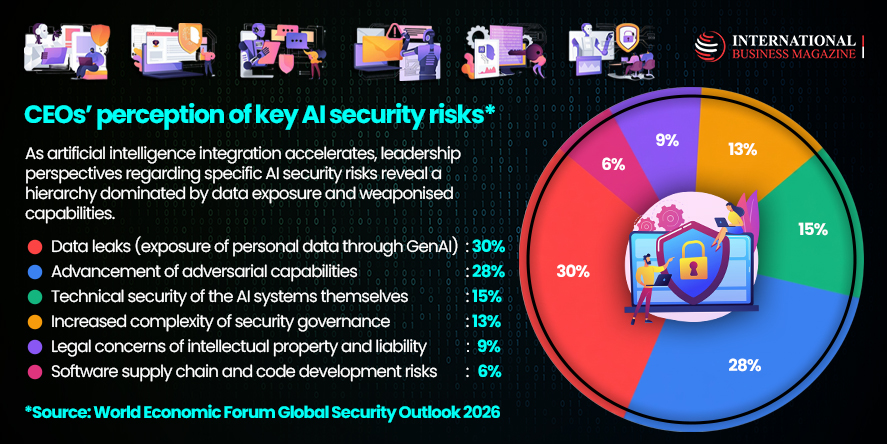
As financial services become increasingly digital, cybersecurity has a strategic priority. The growing sophistication of cyber threats requires equally advanced defensive technologies.
Modern security systems utilize biometric authentication, behavioral analytics, encryption, and AI-driven monitoring tools to protect sensitive financial information. These technologies help identify suspicious activities, prevent unauthorized access, and strengthen consumer confidence in digital financial services.
At the same time, organizations must balance innovation with regulatory compliance and data protection requirements. Building trust remains essential as financial technology continues to evolve.
Looking ahead
The future of finance is likely to be shaped by the convergence of multiple technologies rather than any single innovation. AI, machine learning, blockchain, open banking, real-time payments, and advanced cybersecurity solutions are increasingly working together to create a more connected financial environment.
The focus is no longer limited to digitizing traditional processes. Instead, the industry is reimagining to deliver financial services in a more efficient, intelligent and secure way. As these technologies continue to mature, they will redefine customer expectations and establish new standards for financial innovation.
The transformation underway demonstrates that technology is no longer simply supporting the finance sector – it is actively shaping its future. Organizations that successfully adapt to these changes will be better positioned to thrive in an increasingly digital and interconnected world.
Article by Charan M S
For more information on Finance, please check
The Lifestyle Benefits of Managing Personal Finances Through Digital Banking
Fawry and Erada Finance Partnership to Redefine Egypt’s Financing Experience